There’s something truly magical about stepping into a living room that feels effortlessly elegant—a space where comfort meets style, and every detail invites you to relax and unwind. Yet, for many, the idea of creating a luxurious living room can feel out of reach, often associated with sprawling budgets and designer-only secrets. The good news? You don’t need a fortune to infuse your space with a high-end look and ambiance that feels both timeless and uniquely yours.
In this post, we’re going to explore practical, actionable design ideas that will elevate your living room without breaking the bank. From clever furniture choices to lighting tricks and thoughtful decor accents, these tips are designed to help you create a warm, inviting, and sophisticated space that truly reflects your personal style. Whether you’re starting from scratch or simply looking to refresh your current setup, get ready to transform your living room into a luxurious retreat you’ll love coming home to.
1. Create Calm with a Splash of Drama
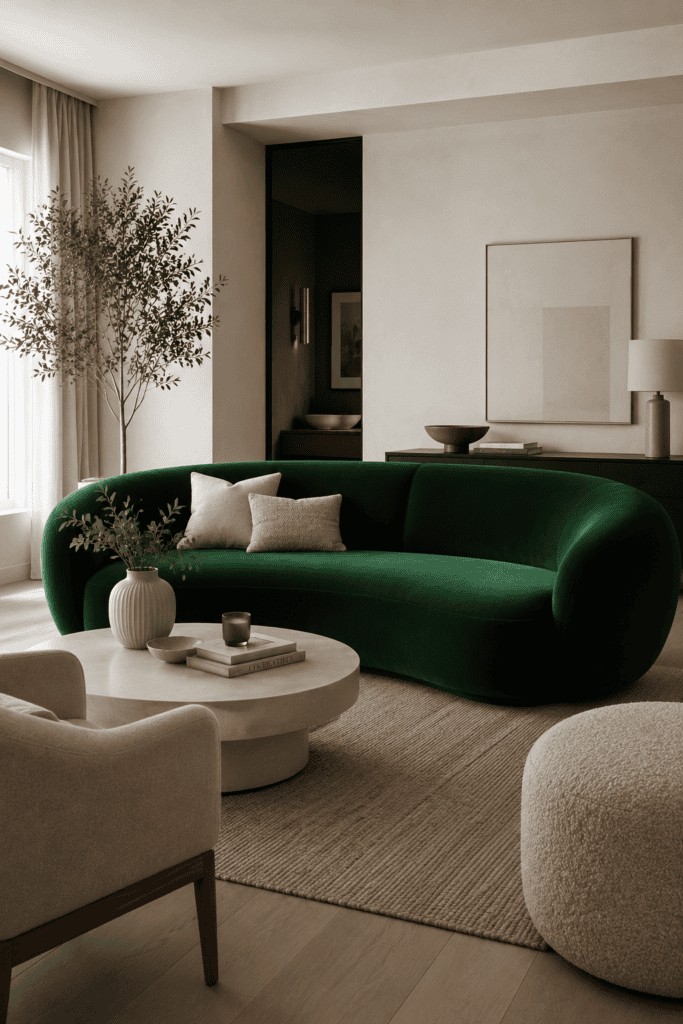
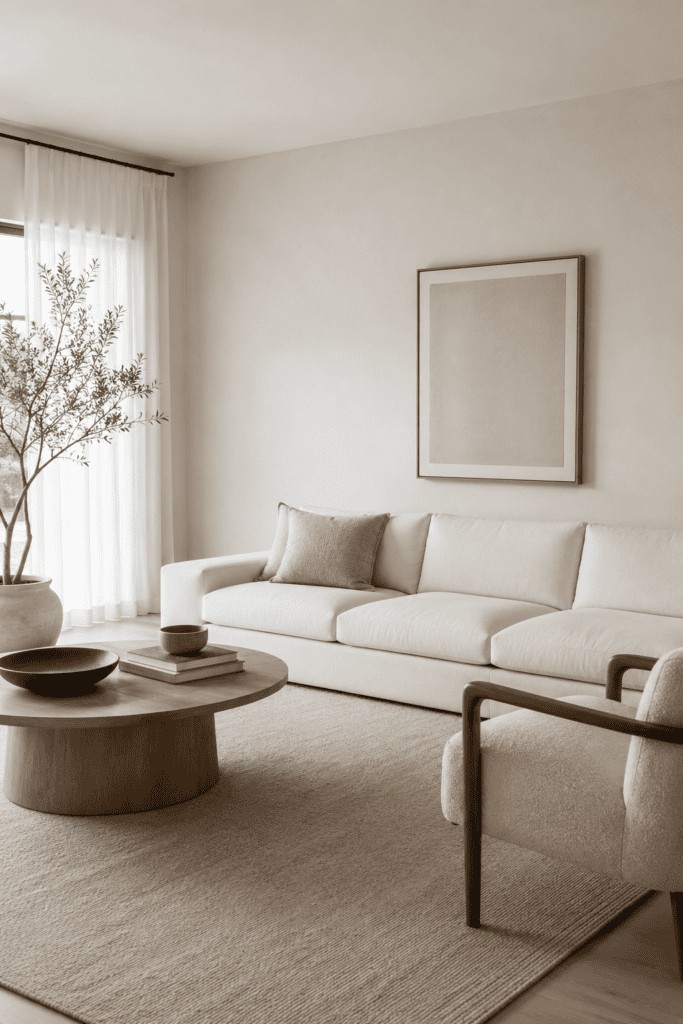
Start with a soothing base of neutral shades to set a peaceful tone in your living room. Layer in medium-hued accents through soft furnishings to add depth and warmth. Then, let a single standout element steal the show, giving your space personality without overwhelming the senses.
Choose gentle neutral tones for your walls, main seating, and area rug to build a serene foundation.
Introduce mid-range colors in accessories like cushions, blankets, and picture frames to enrich the palette subtly.
Highlight one striking piece—whether it’s a vibrant chair, eye-catching artwork, or a statement light fixture—to bring energy and focus.
Pro Tip: Limiting yourself to one bold accent against a neutral backdrop keeps the design feeling sophisticated instead of chaotic.
2. Elevate Your Space with Layered Textiles
A living room that feels cozy and inviting often hinges on the clever use of varied textures. By mixing different fabrics and tactile elements, you create a space that’s not only visually appealing but also irresistibly touchable. Think beyond smooth surfaces and embrace textiles that invite guests to linger and relax.
Drape a soft, oversized knit throw casually over your couch to instantly add warmth and depth.
Incorporate pillows in rich fabrics like velvet or boucle to create a luxurious contrast against plain upholstery.
Place a woven or tufted ottoman near your seating area to introduce an unexpected layer of texture and interest.
Pro Tip: Texture is the secret ingredient that encourages people to settle in and enjoy the space — it’s something photos can’t capture, but your guests will definitely feel.
3. Elevate Your Space with Stylish Wall Accents
Bare walls can make a room feel incomplete, even when the paint is fresh. Introducing subtle architectural elements like moldings can instantly transform your living room, lending it a polished, high-end vibe without the hefty price tag. These details add depth and character, turning a simple space into something truly inviting.
Incorporate classic elements such as chair rails, wainscoting, or decorative door and window casings for timeless appeal.
Explore removable, peel-and-stick molding options perfect for renters or those avoiding permanent changes.
Create a feature wall using simple grid molding painted in the same hue as your walls to add texture and dimension effortlessly.
Pro Tip: Adding molding is one of the easiest ways to upgrade a builder-grade room and make it feel uniquely yours.
4. Embrace Eclectic Elegance Instead of Matching Sets
Steering away from identical furniture sets can give your living room a much more personal and sophisticated feel. By thoughtfully combining different styles and textures, you create a space that reflects your unique taste and tells a story rather than echoing a showroom.
Combine a plush velvet sofa with a sleek metal-framed coffee table for contrast
Incorporate vintage or handmade pieces alongside modern staples to add depth
Choose items that share a complementary color palette or texture to unify the look
Pro Tip: The most captivating rooms evolve naturally over time, gaining charm from each carefully chosen element rather than a single, coordinated purchase.
5. Elevate Your Space with Ceiling Accents
Often overlooked, the ceiling is a fantastic opportunity to add dimension and personality to your living room. By incorporating subtle details or bold colors overhead, you can create a sense of height and sophistication that transforms the entire space.
Paint the ceiling in a gentle, contrasting hue to introduce a unique ‘fifth wall’ that enhances depth and interest.
Install tasteful crown molding or reveal natural wood beams to bring architectural charm and texture above eye level.
Even a simple coat of matte paint on the ceiling can refresh the room’s ambiance and make it feel more spacious.
Pro Tip: Choosing muted tones like dusty rose, soft olive, or rich charcoal for the ceiling against lighter walls gives you a dramatic upgrade without a hefty price tag.
6. Elevate Your Space with a Chic Drink Station
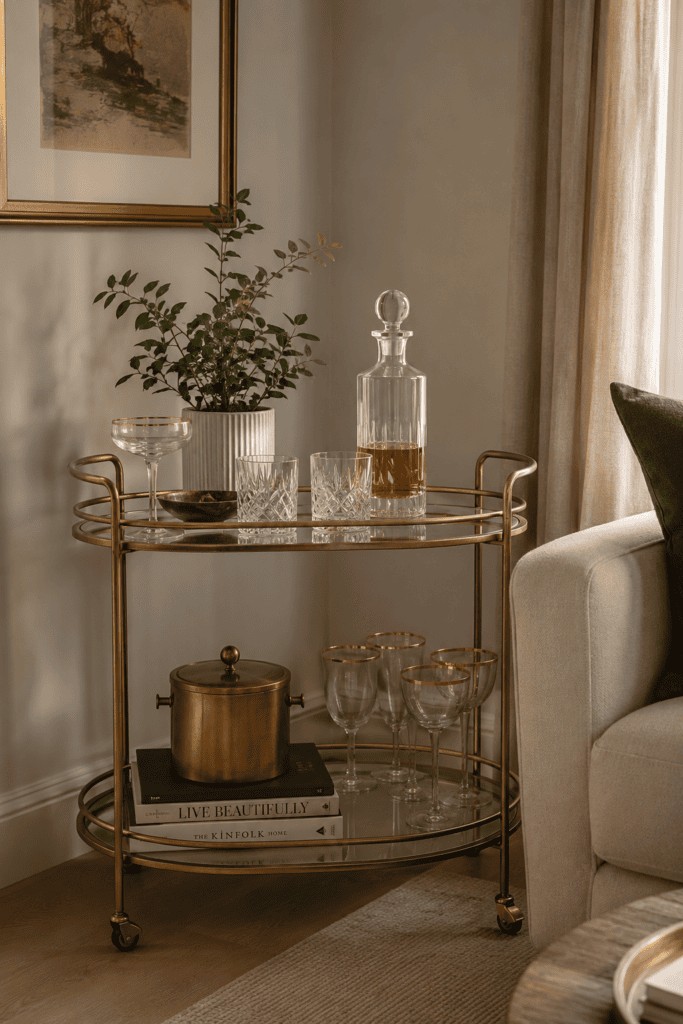
Incorporating a stylish drink station into your living room instantly adds a touch of warmth and sophistication. It’s a subtle way to show your guests you’re ready to entertain, while also enhancing the room’s overall vibe. Choose a sleek cart that complements your decor and keep the setup simple yet inviting.
Opt for a metal or wood-finished cart in neutral tones to blend seamlessly with various design styles.
Curate the cart with a limited selection of elegant glassware, a favorite decanter, and a small decorative object like a succulent or a framed photo.
Maintain a clean look by limiting the display to no more than five carefully chosen items to avoid clutter.
Pro Tip: You don’t need alcohol to make this work; sparkling water and artisan mixers paired with classy glasses can create an equally polished and welcoming display.
7. Arrange Your Seating to Spark Genuine Interaction
To foster a warm and inviting atmosphere, arrange your living room seating so it naturally encourages conversation. Moving away from the typical wall-hugging layout and positioning chairs to face each other can transform your space into a cozy gathering spot where connection flows effortlessly.
Position chairs at slight angles toward the main sofa to create a welcoming dialogue circle
Pull sofas and larger pieces away from walls and place a slim console table behind to add depth and dimension
Define a dedicated seating area using rugs or lighting to emphasize a social, intentional space
Pro Tip: Spaces designed for interaction feel more elegant and thoughtfully curated than those focused solely on screen viewing.
8. Elevate Your Artwork with Thoughtful Framing Choices
The right frame can transform your artwork from everyday to extraordinary, adding a polished touch that complements your living space. Choosing frames that harmonize with your room’s existing elements creates a cohesive, curated look. Let’s explore how to select frames that enhance both your art and your decor.
Coordinate frame materials and finishes with your room’s hardware, like matte black, warm brass, or natural wood tones.
Steer clear of generic plastic frames, especially those that clash or look cheap, to keep your display feeling intentional and refined.
Create a gallery wall by spacing your frames evenly and sticking to a consistent style or color palette for a unified visual impact.
Pro Tip: Even simple prints gain a luxe, museum-quality vibe when paired with quality matting and frames that suit your space.
9. Elevate Your Space with a Statement Plant
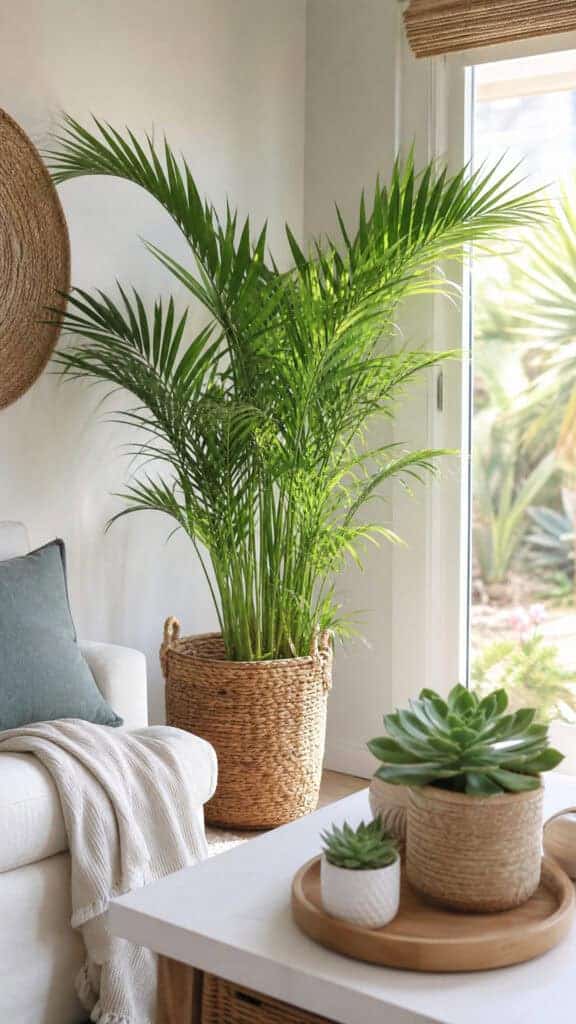
Incorporating a striking, living plant can instantly breathe life and personality into your living area. Unlike artificial greenery, real plants evolve over time, casting dynamic shadows and offering a natural focal point that shifts with the seasons. A bold, well-chosen plant can do more heavy lifting visually than a collection of smaller pots scattered around.
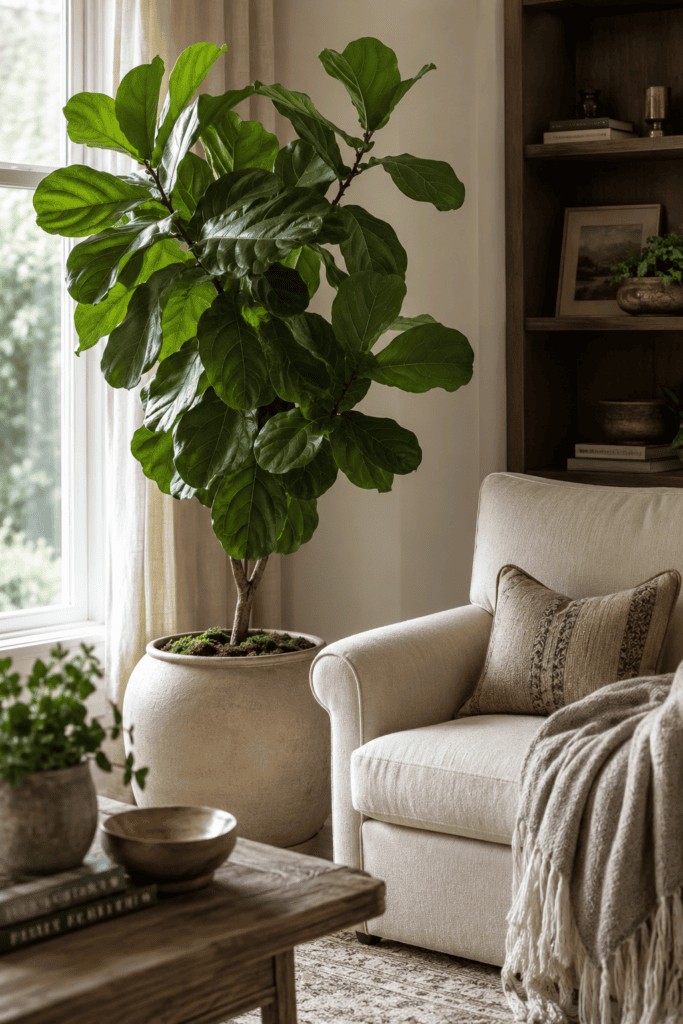
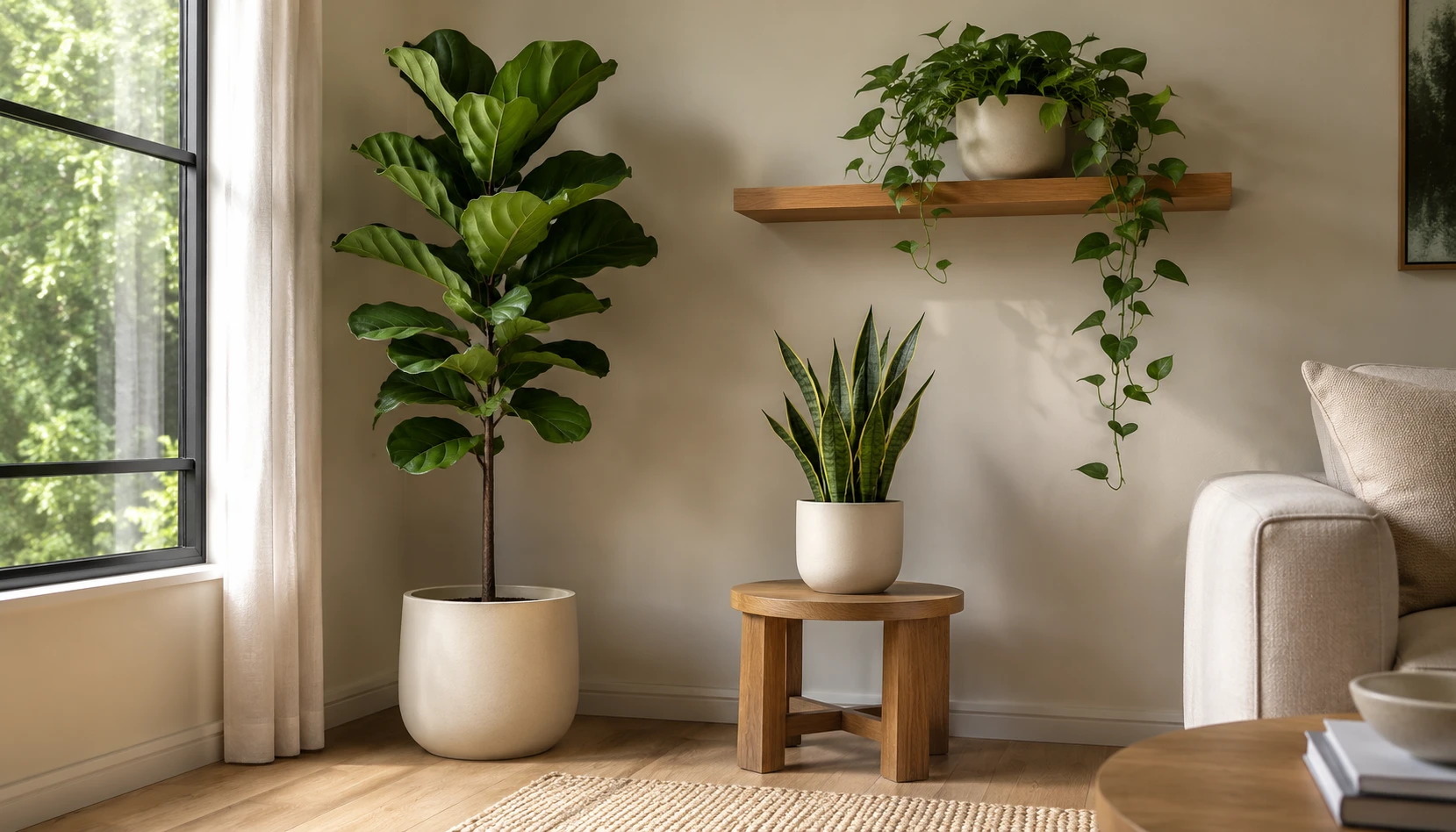
Opt for hardy, sculptural plants like a fiddle leaf fig or snake plant that complement a variety of interiors.
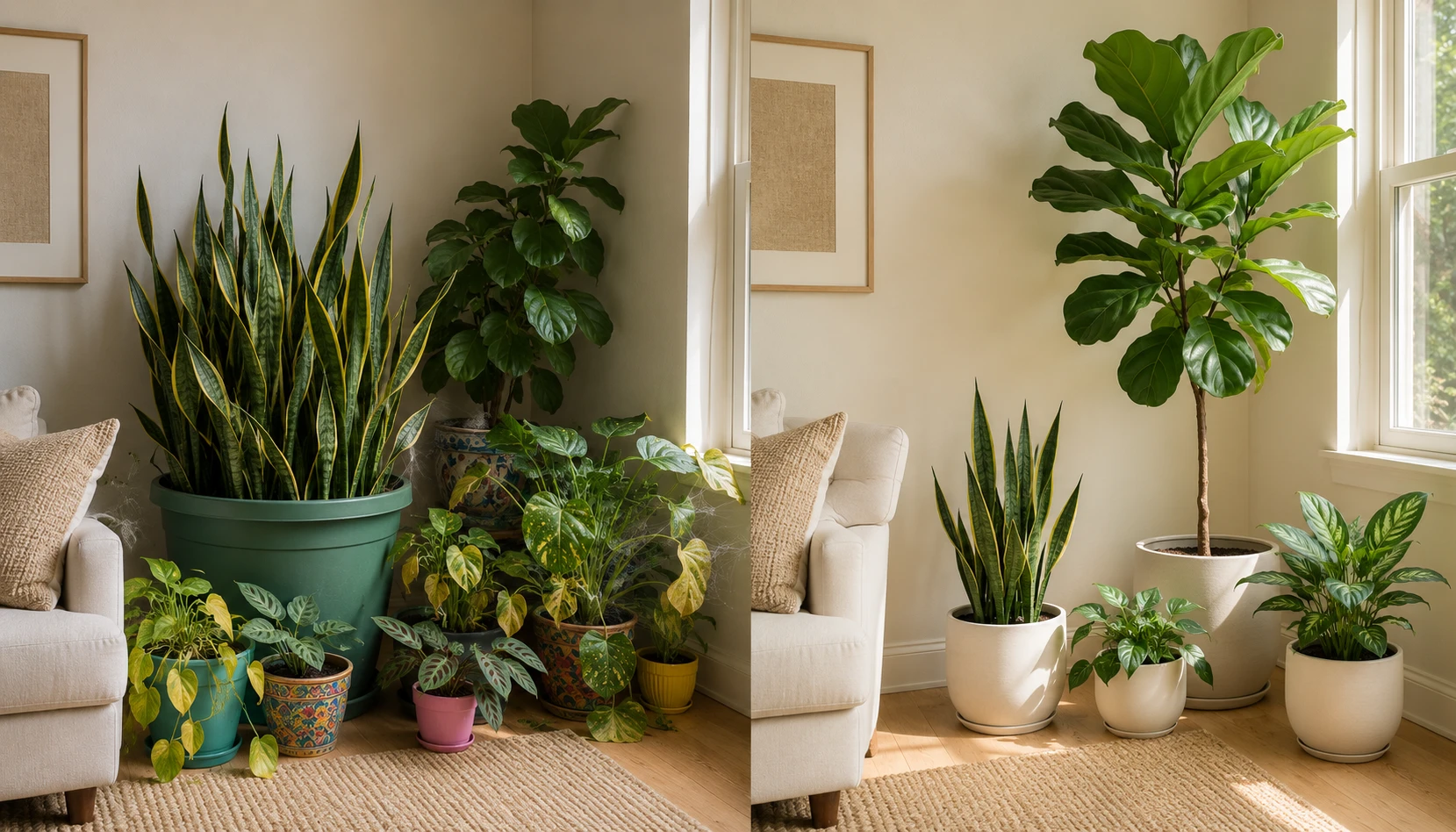
Choose one large plant to serve as an eye-catching centerpiece instead of multiple smaller ones to reduce clutter.
If your track record with plants isn’t great, invest in lifelike, high-quality faux plants to achieve a similar look without the upkeep.
Pro Tip: Ensure your plant is placed in an area with adequate natural light to keep it thriving and vibrant.
10. Elevate Your Space with the Right Rug Size
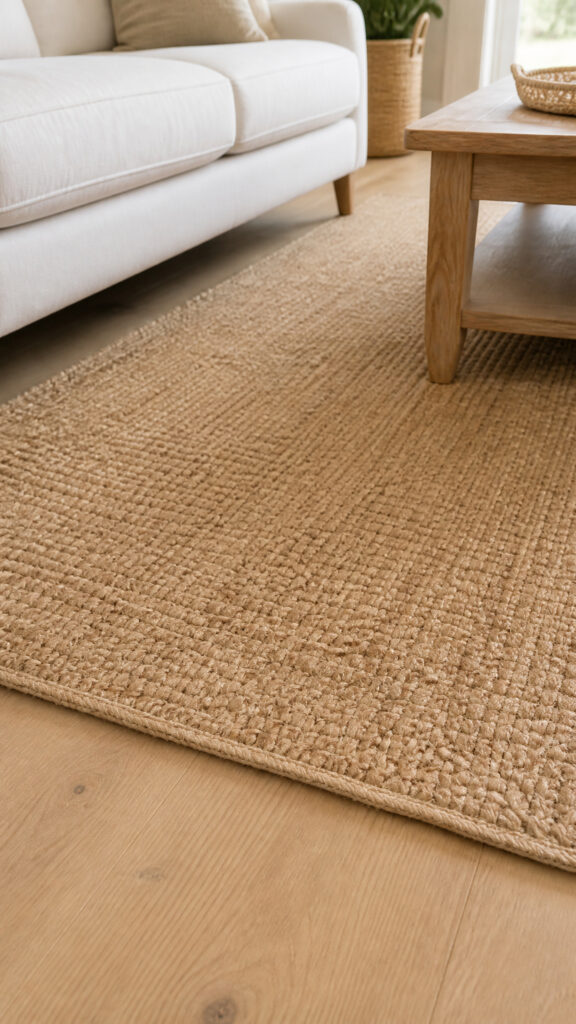
Choosing the perfect rug size can instantly transform your living room from unfinished to inviting. A rug that’s too small can make your furniture appear disconnected and the room feel incomplete. Opting for a larger rug helps ground the space and creates a cohesive, polished look.
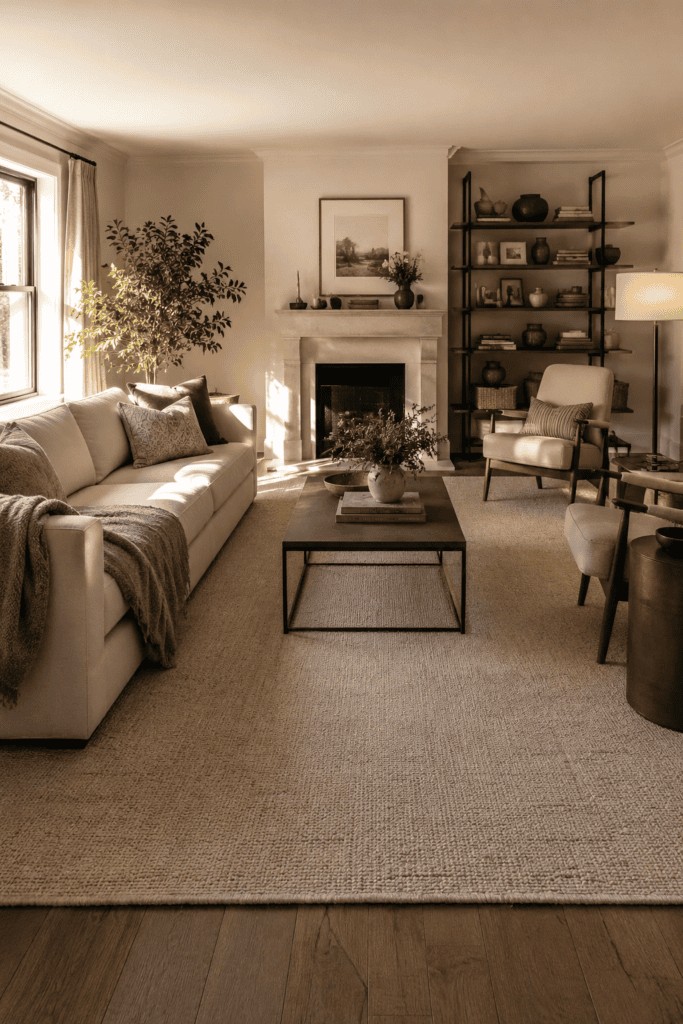
Ensure the front legs of all sofas and chairs rest comfortably on the rug to unify your seating area.
For most living rooms, a 9×12 rug strikes a great balance between size and proportion.
If you’re working with a limited budget, at least have every seating piece touch the edge of the rug to maintain visual connection.
Pro Tip: Investing in a rug that fits your space well has one of the most noticeable impacts on making your room feel thoughtfully designed and luxurious.
11. Create Depth with Multi-Level Lighting
Relying solely on ceiling lights can leave your living room feeling flat and uninspired. By incorporating lighting at various heights, you can transform your space into a warm, inviting haven that’s both functional and stylish. Layering different light sources helps define areas and adds a cozy, curated touch to your home.
Position a tall floor lamp near your favorite reading nook for focused, comfortable lighting.
Place table lamps on side tables or consoles to provide gentle illumination and balance.
Install dimmer switches on overhead lights to control brightness and set the perfect mood.
Pro Tip: Choose bulbs with a warm color temperature around 2700 kelvin to achieve a soft, welcoming glow similar to boutique hotel lobbies.
12. Elevate Details with Coordinated Switch Plates and Hardware
Small details can make a big impact in your living space, especially when it comes to hardware. Swapping out standard switch plates for ones that echo your room’s finishes instantly raises the overall vibe without a major investment. It’s a simple update that brings harmony and polish to your design.
Choose switch plates in finishes like matte black or warm brass to complement your room’s metal accents.
Ensure cabinet handles, light fixtures, and switch covers share a consistent style and finish for a unified look.
Don’t overlook outlet covers—matching them with your switch plates completes the refined feel.
Pro Tip: Great design is all about the subtle touches working together seamlessly, and upgrading your switch plates is one of the easiest ways to achieve that cohesion.
13. Streamline Your Space for Instant Elegance
A truly sophisticated living room feels effortless, and that often starts with embracing simplicity. By thoughtfully paring down your decor, you create breathing room that lets each piece shine and your personality come through without distraction. It’s about quality over quantity in every corner.
Take a slow stroll around your room and pick up every decorative item—consider if it truly enhances the space or just fills it.
Be honest with yourself: if an item doesn’t spark joy or contribute to the room’s mood, make room by setting it aside.
Make decluttering a regular habit, revisiting your decor every few months to maintain a fresh, purposeful look.
Pro Tip: Reducing clutter is a zero-cost makeover that instantly elevates your living room’s style and atmosphere.
14. Elevate Your Space with a Statement Coffee Table
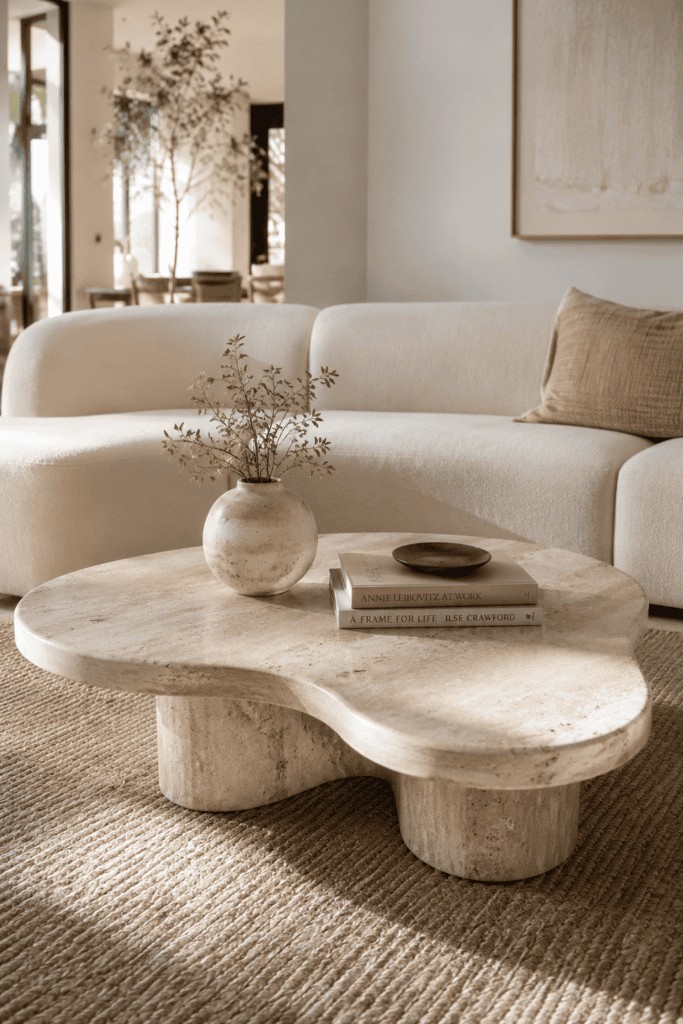
Why settle for a basic coffee table when you can showcase an artful centerpiece that doubles as a conversation starter? Opting for pieces with unique contours or unexpected textures can instantly add personality and charm to your living room. It’s all about blending form and function in a way that feels effortlessly stylish.
Seek out tables featuring soft curves, asymmetrical shapes, or nature-inspired designs to break away from the ordinary.
Materials like marble, sculpted wood, or textured glass introduce depth and sophistication to your centerpiece.
Consider budget-friendly options crafted from high-quality resin that convincingly emulate luxurious surfaces without the hefty price tag.
Pro Tip: A well-chosen resin table can look just as luxe as natural stone, so don’t hesitate to explore these smart alternatives.
15. Elevate Your Space with Floor-Length Drapes
Choosing curtains that gracefully touch the floor can transform the entire feel of your living room. By positioning your window treatments thoughtfully, you create an illusion of height and openness that makes the room feel more inviting and stylish. It’s a simple change that delivers a big impact without breaking the bank.
Install curtain rods several inches above the window frame, close to the ceiling line for added vertical emphasis.
Widen the curtain rod beyond the window edges to allow the fabric to frame the window without blocking natural light when open.
Select curtains long enough to just brush the floor or gently pool for a sophisticated, tailored look.
Pro Tip: Invest in quality rod brackets and curtains from your local fabric store—this quick upgrade typically costs under $50 but instantly elevates the room’s atmosphere.
16. Make One Piece the Star of Your Living Room
In every stunning living space, there’s one design element that steals the spotlight and sets the tone for the entire room. Whether it’s a vibrant sofa, an eye-catching chandelier, or a captivating artwork, this standout piece becomes the heartbeat of your decor. Let everything else play a supporting role to highlight its charm and create a harmonious balance.
Identify a single standout item that naturally draws your attention when you think about the space
Allocate the majority of your design budget to this key piece to ensure quality and impact
Select complementary furnishings and accessories that enhance, rather than compete with, your focal element
Pro Tip: Imagine walking into your room and noticing just one thing first — that’s the star piece you should build around.
17. Add Authentic Charm with a Single Solid Wood Statement Piece
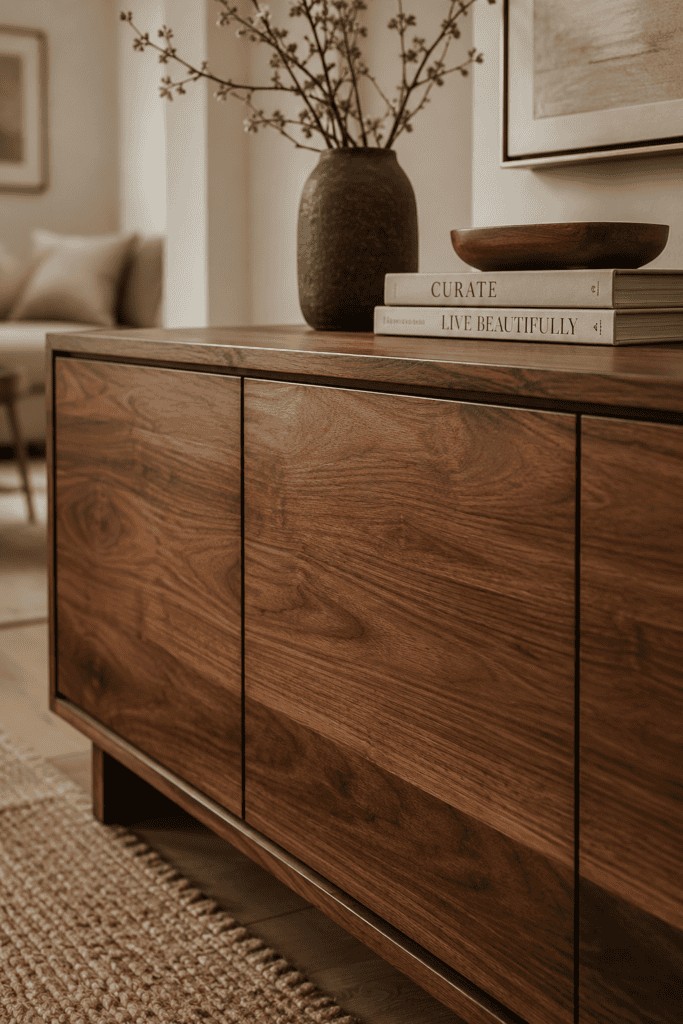
You don’t have to deck out your entire living room with solid wood furniture to enjoy its timeless appeal. Introducing just one genuine wood item can instantly elevate your space, offering rich texture and a natural warmth that imitation materials just can’t match. Plus, hunting for these treasures can be a fun and rewarding part of your decorating journey.
Consider a standout piece like a coffee table, a media console, or a set of side tables to anchor your room.
Browse local online marketplaces and estate sales where high-quality wood furniture is often priced well below retail.
Opt for vintage or antique items, as they’re typically crafted from sturdier materials and built to last longer than modern particleboard options.
Pro Tip: Many sellers underestimate the value of their solid wood pieces due to poor photos—take advantage by showing up prepared and snagging great finds at bargain prices.
Final Thoughts
Transforming your living room into a luxurious retreat doesn’t mean you have to overhaul the entire space overnight. Sometimes, starting with just one or two thoughtful changes—like a statement light fixture or a plush area rug—can set the tone for an elevated atmosphere that feels both sophisticated and inviting. Remember, true high-end design is less about how much you spend and more about the intention behind every choice you make, from textures and colors to furniture placement and lighting.
Embrace the process with confidence, knowing that luxury is accessible to anyone willing to invest in quality and intentionality. Your living room is a reflection of your unique style and a place to unwind, so let every element inspire comfort, elegance, and joy. With a little creativity and purposeful design, you can create a space that feels truly extraordinary—one beautiful detail at a time.
If you love the idea of a stylish, polished home but dread the thought of breaking the bank, you’re definitely not alone. Many of us crave that high-end look without the hefty price tag, and luckily, there’s a clever way to achieve just that. Enter the world of IKEA hacks—a treasure trove of creative ideas that take affordable, everyday furniture and transform it into stunning, one-of-a-kind pieces. Whether you’re a seasoned DIYer or just dipping your toes into home projects, these hacks prove you don’t need to spend a fortune to make your space feel luxe and uniquely yours.
At nickshomeguide.com, we’re all about inspiring you to get crafty and see the potential in simple finds. IKEA’s clean lines and versatile basics are the perfect blank canvas for adding your personal touch. From painting and reupholstering to clever hardware swaps and clever assembly tweaks, the possibilities are endless. Ready to give your home a fresh, high-end glow without blowing your budget? Let’s dive into some of the best budget-friendly IKEA hacks that will have you falling in love with your space all over again.
1. Spice Up Your Kitchen with the Nissafors Trolley
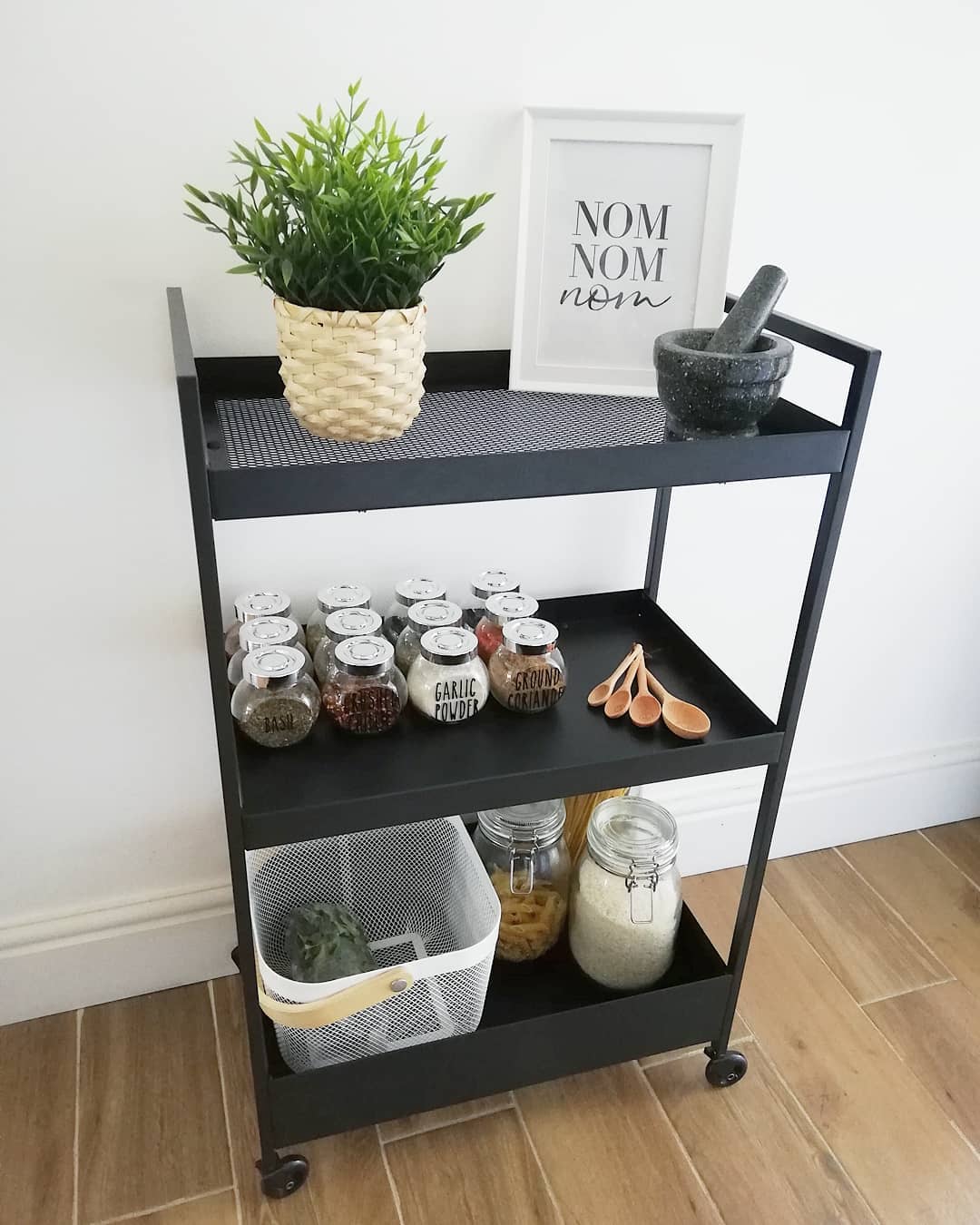
The IKEA Nissafors trolley is a game-changer for anyone wanting to keep their kitchen organized without sacrificing style. Its slim, compact design makes it an excellent choice for tight corners or small kitchens, turning unused spaces into a chic spice haven. Imagine having all your favorite herbs and spices neatly arranged and ready to inspire your next culinary masterpiece.
To elevate the look, add a sleek marble mortar and pestle on one of the shelves. Not only does it bring a touch of elegance, but it also invites you to grind fresh spices at home, enhancing flavors and making every dish pop. Whether you’re experimenting with international flavors or just love to keep your seasonings handy, this trolley is a must-have for the passionate home cook.
Key Design Elements
Transform the Nissafors trolley into a stylish and efficient spice organizer
Add a marble mortar and pestle for an elegant and functional accent
Its narrow footprint makes it perfect for kitchens with limited space
Pro Tip: Keep your spices in alphabetical order to speed up your cooking process and find ingredients effortlessly.
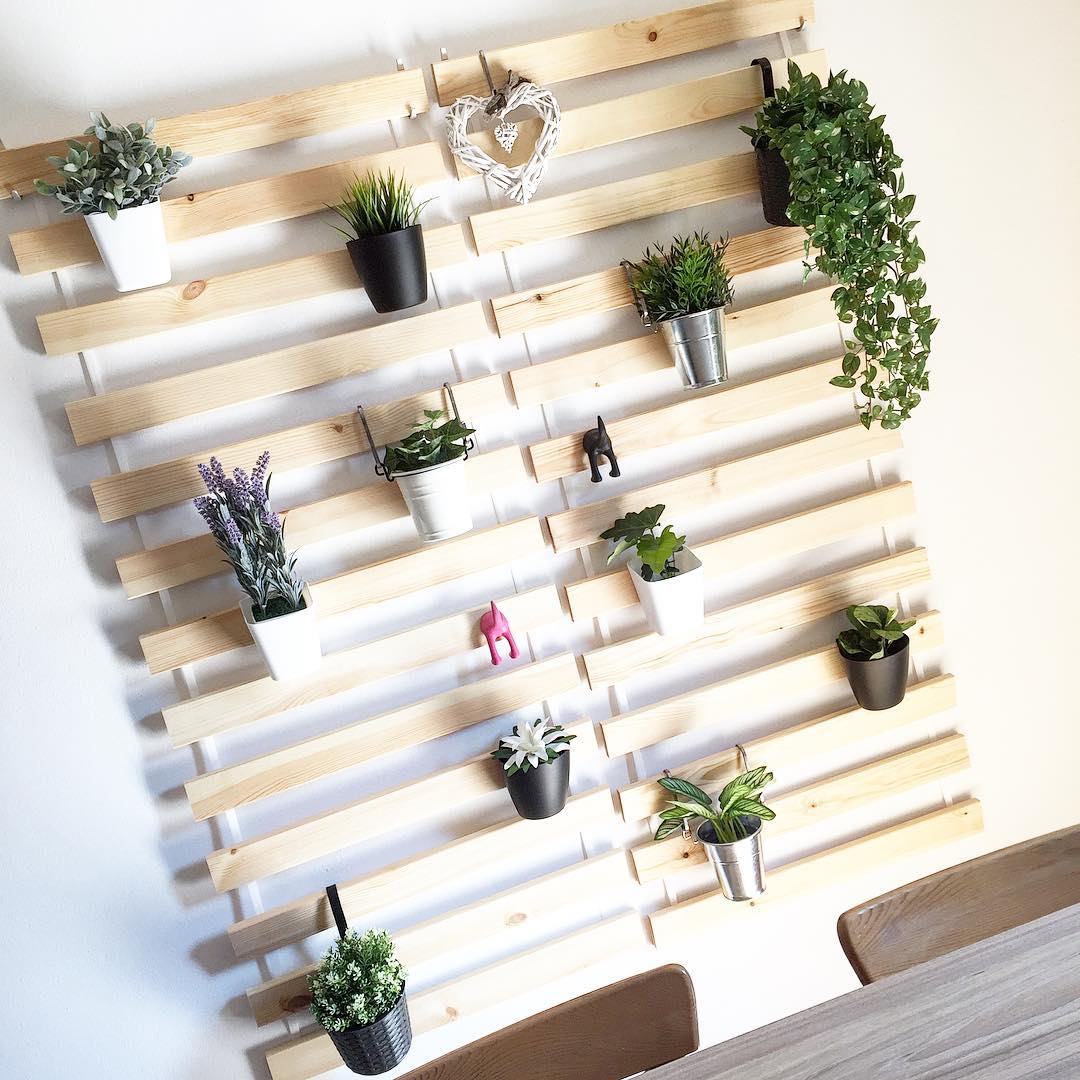
2. Vertical Garden with Repurposed Bed Slats
Transform simple bed slats into a charming vertical garden that brings greenery into your living space without taking up precious floor area. This clever DIY idea turns everyday materials into a stunning plant display, perfect for adding a natural touch to any room. Not only is it budget-friendly, but it also offers a unique way to showcase your favorite plants in an eye-catching arrangement.
By attaching the slats horizontally to a wall, you create a versatile framework where pots and planters can be easily hung or nestled. This setup is ideal for those looking to maximize their space while infusing their home with fresh, vibrant energy. The rustic texture of the wood adds warmth and character, making your plant wall a focal point in your decor.
Key Design Elements
Attach the bed slats horizontally on your wall to form a sturdy base
Suspend small pots or planters along the slats for a layered garden effect
Build a compact vertical garden that keeps your floor uncluttered
Pro Tip: Opt for lightweight containers to ensure the mounted slats remain secure and avoid putting excessive pressure on the wall.
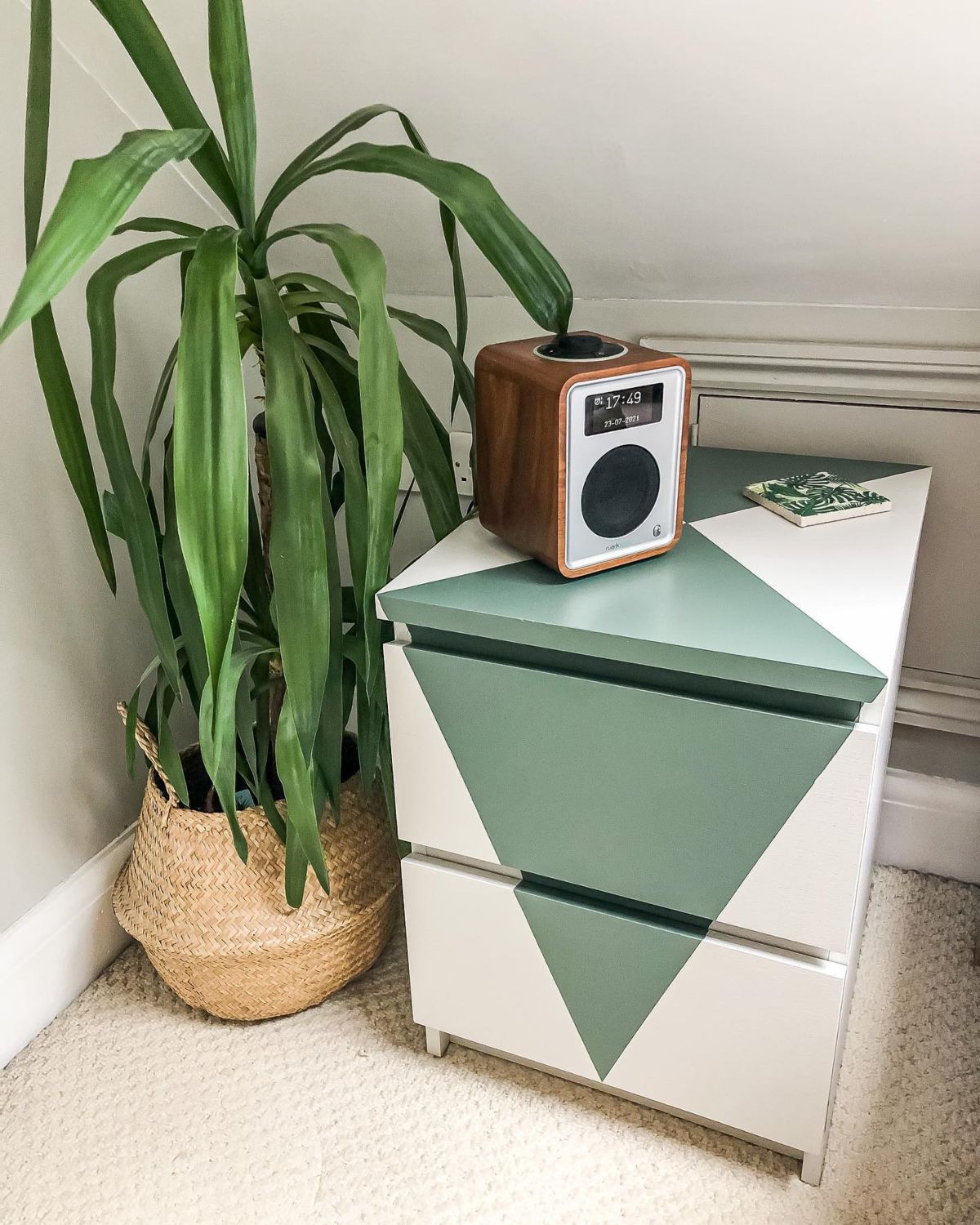
3. Modern Geometric Nightstand Refresh
Transform a classic IKEA Malm two-drawer chest into a stylish bedside companion with a minimalist twist. By incorporating subtle geometric patterns, this update breathes new life into the piece without overpowering the overall aesthetic. The addition of sharp green triangle motifs introduces a vibrant yet tasteful splash of color, making it an ideal choice for those seeking a sleek, masculine vibe in their bedroom.
This redesign embraces simplicity while injecting personality, proving that a few thoughtful details can elevate even the most basic furniture. Whether your space leans toward clean lines or contemporary flair, this refreshed nightstand blends effortlessly into a modern, uncluttered environment.
Key Design Elements
Add geometric shapes to the Malm drawers for a chic, updated appearance
Incorporate green triangles to provide a subtle but striking color highlight
Maintain a streamlined design that complements minimalist bedroom decor
Pro Tip: Apply painter’s tape carefully to ensure sharp, precise edges when creating geometric patterns.
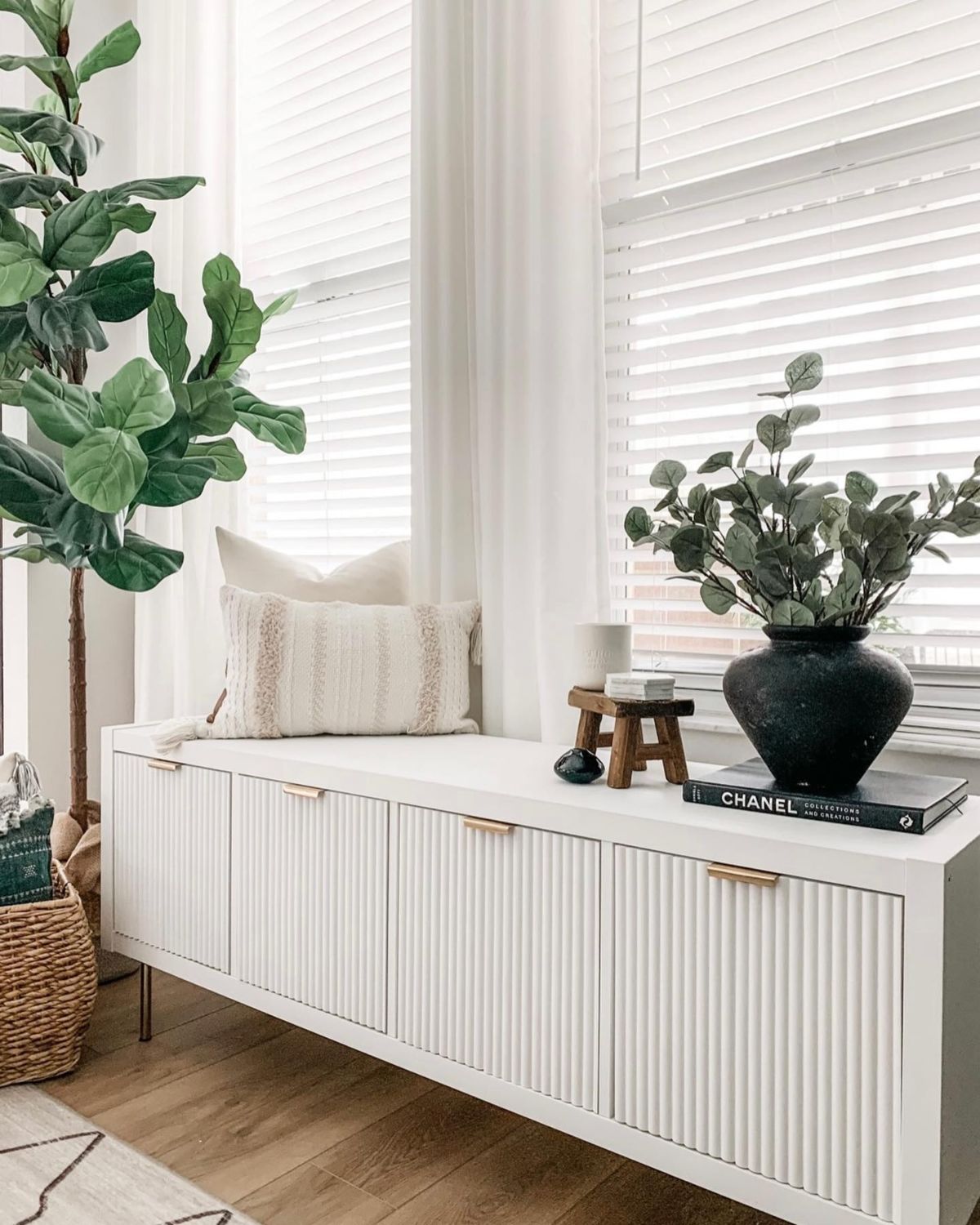
4. Chic Living Room Buffet Made from Kallax
Transform your living room with a stunning buffet that radiates sophistication and style, all while being constructed from IKEA’s popular Kallax shelving units. This clever makeover gives you the look of custom-made furniture without the hefty price tag, making it a rewarding and budget-friendly project. Whether you’re a DIY enthusiast or just love a bit of creative flair, this hack is both enjoyable to build and impressive to display.
By thoughtfully combining several Kallax cubes, you can craft a long, streamlined sideboard that anchors your living space beautifully. Adding a smooth top panel and sturdy legs elevates the piece from simple shelving to a polished, built-in-inspired design. The end result is a versatile storage solution that doubles as a stylish platform for your favorite decor items.
Key Design Elements
Link together multiple Kallax units to build an extended buffet table
Incorporate a tabletop and legs for a seamless, custom-built appearance
Decorate with books, greenery, and accent pieces to personalize your setup
Pro Tip: Opt for slender hairpin legs to introduce a sleek, mid-century modern charm to the sideboard.
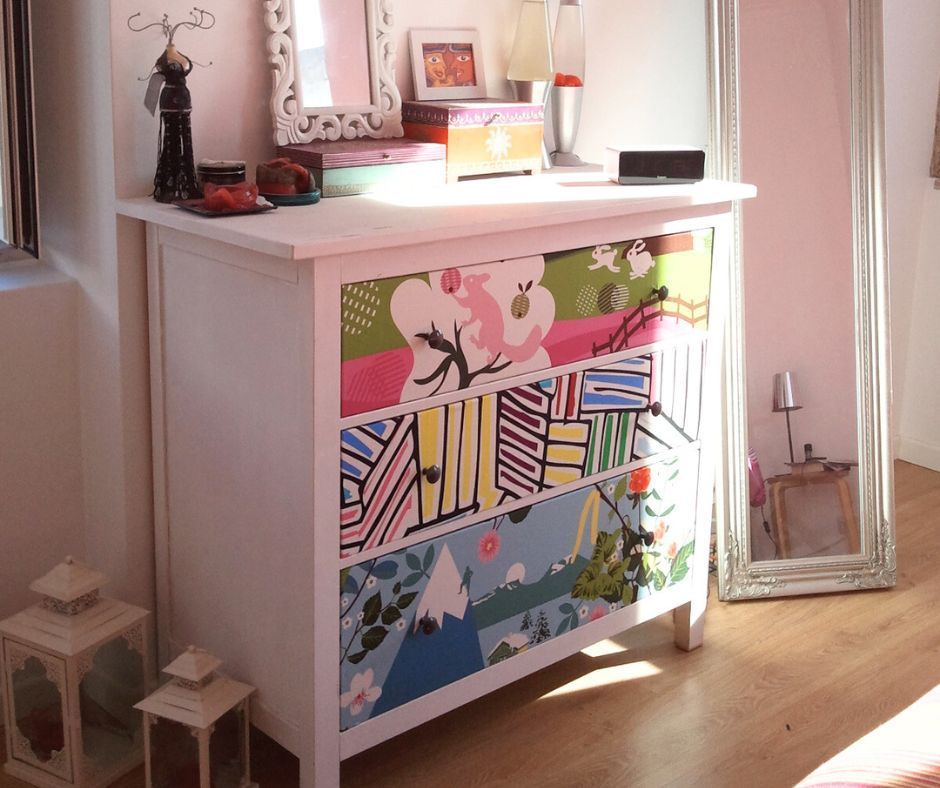
5. Playful Storage Makeover for Kids
Give a standard IKEA drawer unit a vibrant makeover that will instantly brighten up any child’s bedroom. By incorporating lively hues and imaginative touches, you can turn ordinary storage into a delightful focal point that sparks joy and creativity. This playful approach not only adds personality to the room but also motivates little ones to keep their belongings organized with enthusiasm.
Infusing each drawer with a unique splash of color and adding whimsical hardware transforms the furniture into a fun and functional piece. Kids will be drawn to the cheerful design, making cleanup time feel less like a chore and more like an enjoyable game. It’s an easy, budget-friendly way to personalize a space and instill good habits in young children.
Key Design Elements
Give each drawer a unique, vibrant shade to create a cheerful rainbow effect
Swap out standard knobs for charming handles shaped like animals, stars, or other playful icons
Turn tidying up into an engaging activity that children look forward to
Pro Tip: Choose paints that are non-toxic and safe for kids, especially on surfaces they can easily reach and touch.
6. Chic Indoor Garden Cabinet
Transform a simple IKEA cabinet into a vibrant indoor garden sanctuary that breathes life into your living space. This clever DIY project offers an affordable and stylish way to showcase your favorite plants while creating a lush, green retreat right at home. The addition of delicate macrame details brings a cozy, bohemian flair that perfectly complements the natural vibe.
By customizing a glass-front cabinet, you create a mini greenhouse that not only looks stunning but also provides an ideal environment for your plants to thrive. Whether you’re nurturing herbs, succulents, or tropical foliage, this charming setup makes plant care both accessible and visually appealing.
Key Design Elements
Transform an IKEA glass cabinet into a cozy indoor plant sanctuary
Install LED grow lights to keep your plants healthy all year long
Incorporate handcrafted macrame for a warm, boho-inspired aesthetic
Pro Tip: Place a compact USB-powered fan inside the cabinet to enhance airflow and keep your plants fresh and vibrant.
7. Chic and Sleek Sideboard Solution
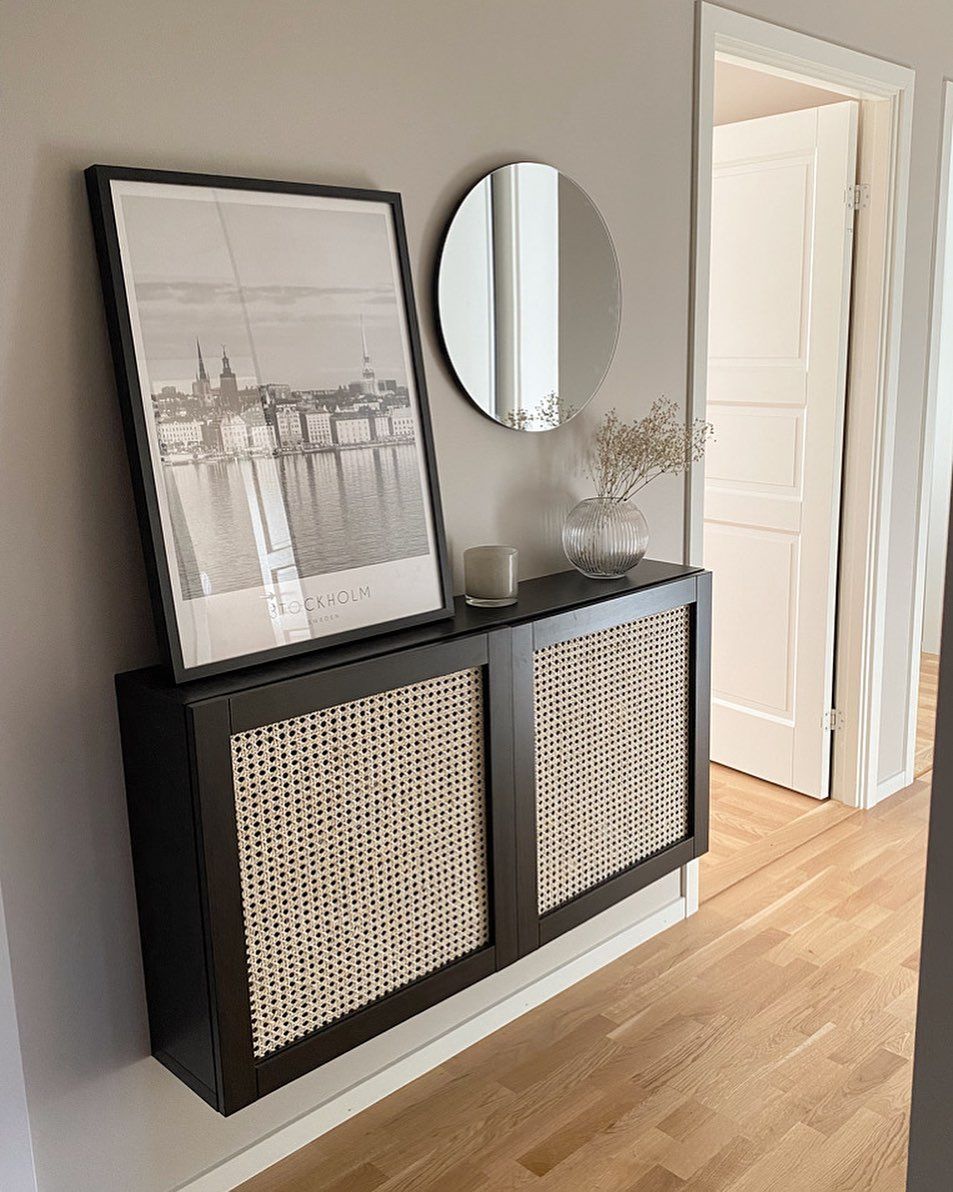
Transform a compact space with this beautifully refined IKEA Bestå makeover — a slender sideboard that adds a touch of sophistication without overwhelming the room. The woven cane front panels introduce a natural texture that harmonizes effortlessly with wooden floors, creating a warm and inviting atmosphere. This piece strikes the perfect balance between modern style and organic charm, making it a standout addition to any small area.
To elevate the ensemble even further, accessorize with a delicate glass planter filled with lush greenery and hang a stylish round mirror above. These elements bring a fresh, airy vibe while enhancing the sideboard’s elegant appeal, turning your corner into a cozy yet polished retreat.
Complete the look with circular mirrors and vibrant plants
Pro Tip: Opt for a Bestå model with raised legs to create a lighter, more spacious feel in your room.
8. Bring Life to Your Walls with the IKEA Skådis Plant Display
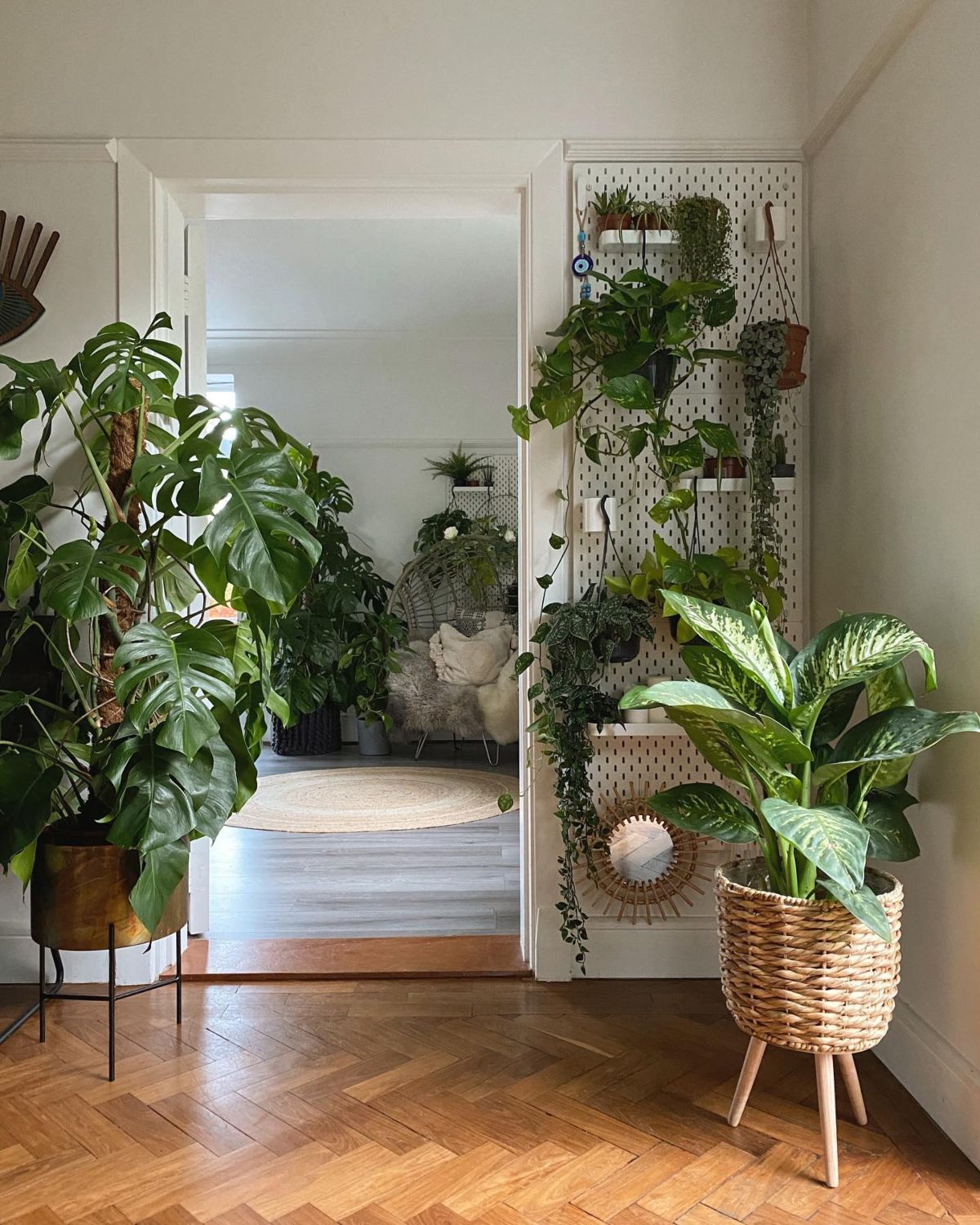
Transform an ordinary wall into a vibrant indoor oasis by incorporating greenery in a clever and stylish way. Using the versatile IKEA Skådis pegboard as your foundation, you can design a personalized plant display that brings both texture and life to your living space. This project is a budget-friendly alternative to hiring a professional and adds a refreshing, natural touch to any room.
By combining clip-on shelves and hanging containers, you create a dynamic arrangement that showcases an array of plants. The modular pegboard system lets you easily rearrange or expand your green wall whenever inspiration strikes, turning a blank surface into a flourishing garden haven.
Key Design Elements
Start by installing the IKEA Skådis pegboard securely on your chosen wall
Add clip-on shelves and hanging pots to hold your favorite plants
Combine cascading vines with upright foliage for a captivating display
Pro Tip: Opt for plants that thrive under similar lighting and watering conditions to simplify care and keep your plant wall thriving effortlessly.
9. Chic and Functional Spice Displays
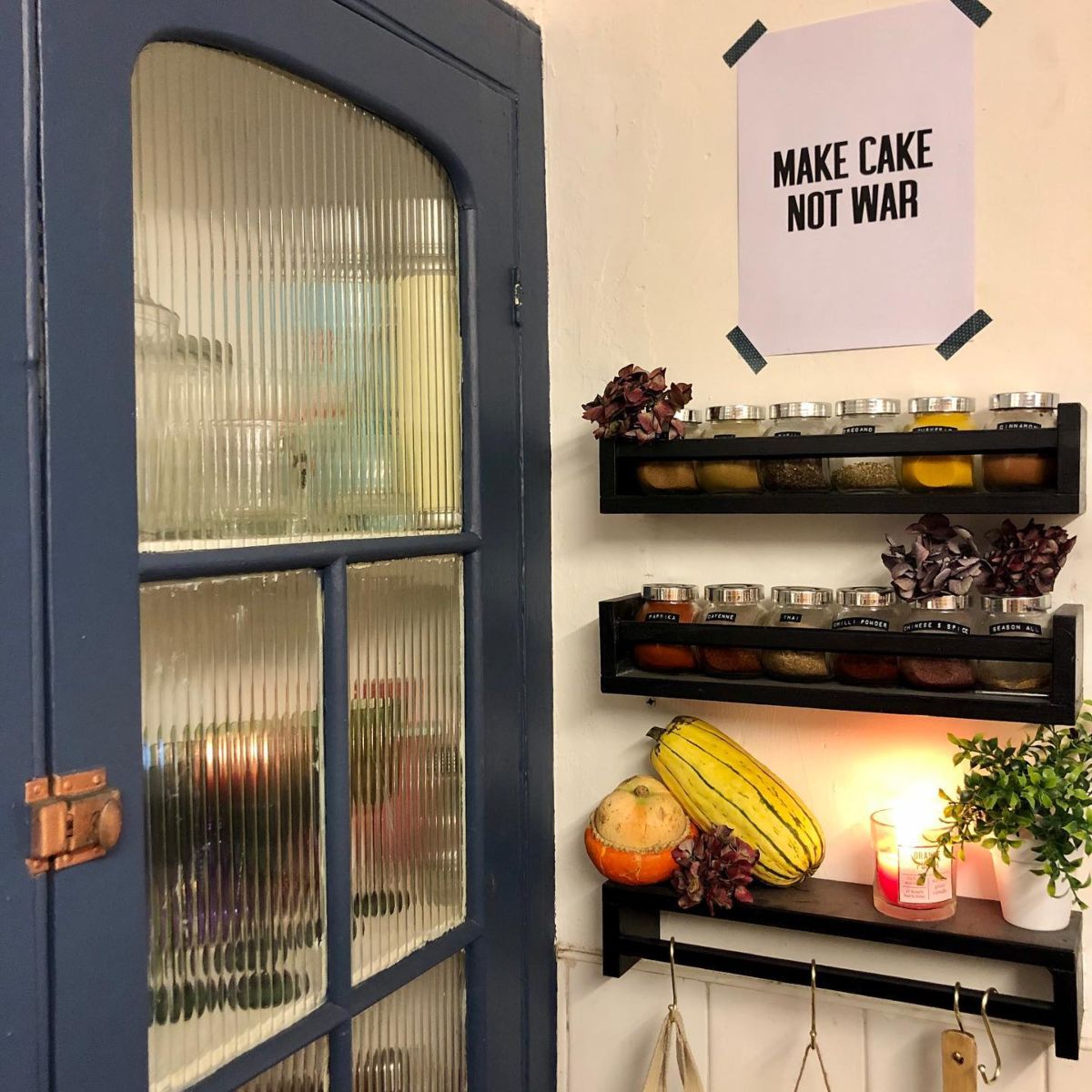
Transform your pantry into a stylish and practical space with IKEA’s Bekväm spice racks, beautifully enhanced by a deep, rich stain. These versatile racks become more than just storage—they add character and warmth to your kitchen nook. By placing your herbs and spices in charming vintage glass containers, you bring a touch of nostalgia and elegance to your everyday cooking essentials.
For a creative twist, try installing the Bekväm racks upside down. This clever orientation turns them into a unique shelf perfect for showcasing decorative pieces while the underside serves as a convenient rail to hang woven baskets. It’s a clever way to maximize space while adding texture and personality to your pantry setup.
Key Design Elements
Apply a dark wood stain to Bekväm spice racks for an enriched, sophisticated appearance
Flip the racks upside down to create an elegant shelf with a built-in basket hanger below
Display your herbs and spices in antique-style glass jars for a nostalgic pantry vibe
Pro Tip: Use a chalk marker to handwrite labels on your spice jars, enhancing a cozy, farmhouse-inspired aesthetic.
10. Chic Linen Storage Made Simple
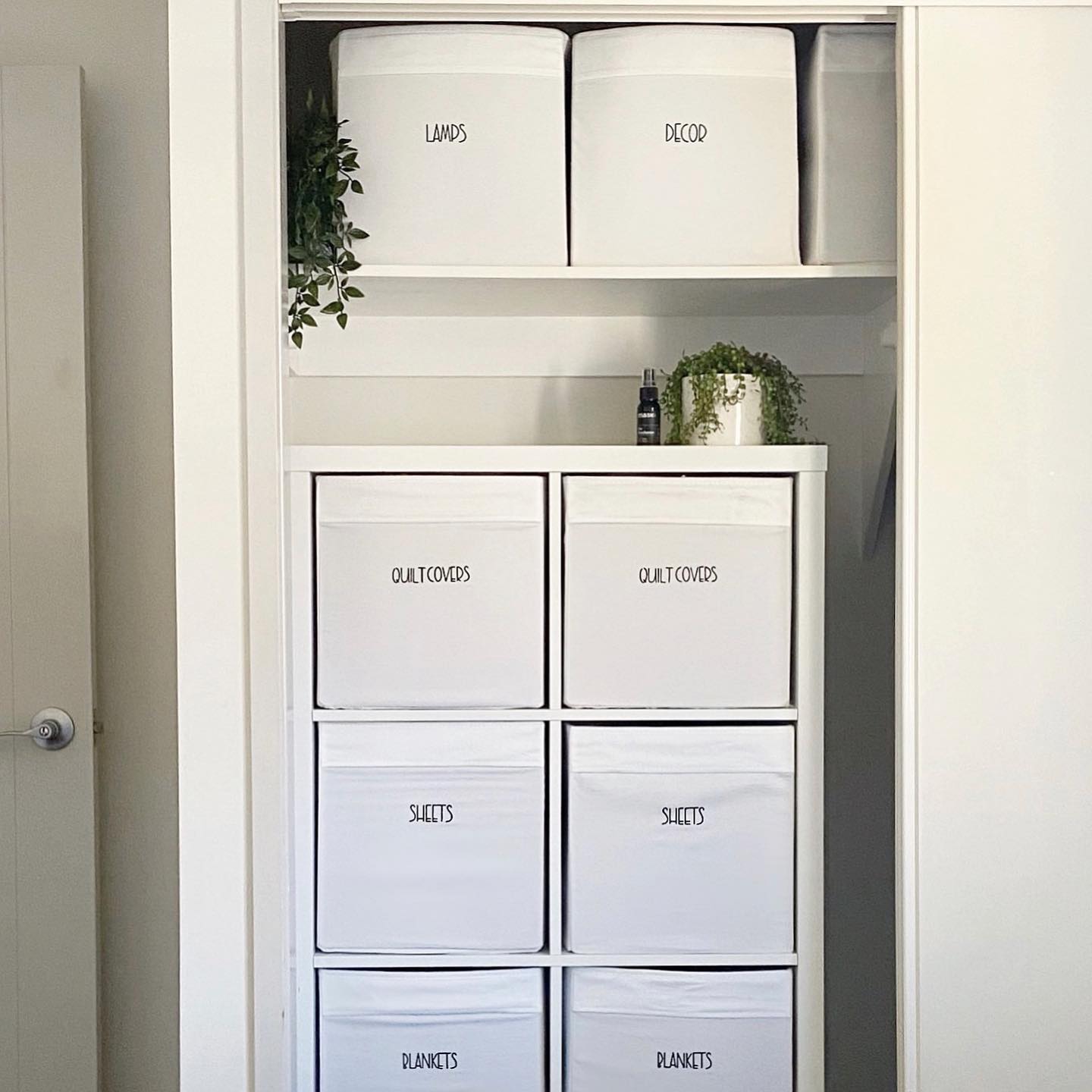
Tired of wrestling with piles of sheets, pillowcases, and blankets that just won’t stay organized? Transform your linen storage with an affordable and versatile Kallax cube unit. This modular shelving system offers a streamlined way to keep all your linens in one place, eliminating the chaos and making your cupboard a model of neatness.
To elevate the look, slip in stylish fabric baskets tailored to fit perfectly inside each cube. Not only do these baskets add a touch of elegance, but they also help keep everything contained and easy to access. Adding clear labels to each basket ensures you can grab exactly what you need in seconds, turning linen storage from a chore into a pleasure.
Key Design Elements
Harness Kallax cubes to create a clutter-free linen storage zone
Add custom-fit fabric baskets for a polished and organized look
Label each basket clearly for effortless linen retrieval
Pro Tip: Instead of folding, roll your sheets and towels to maximize space inside each basket.
11. Elevate Your IKEA Malm Drawers with Rustic Charm
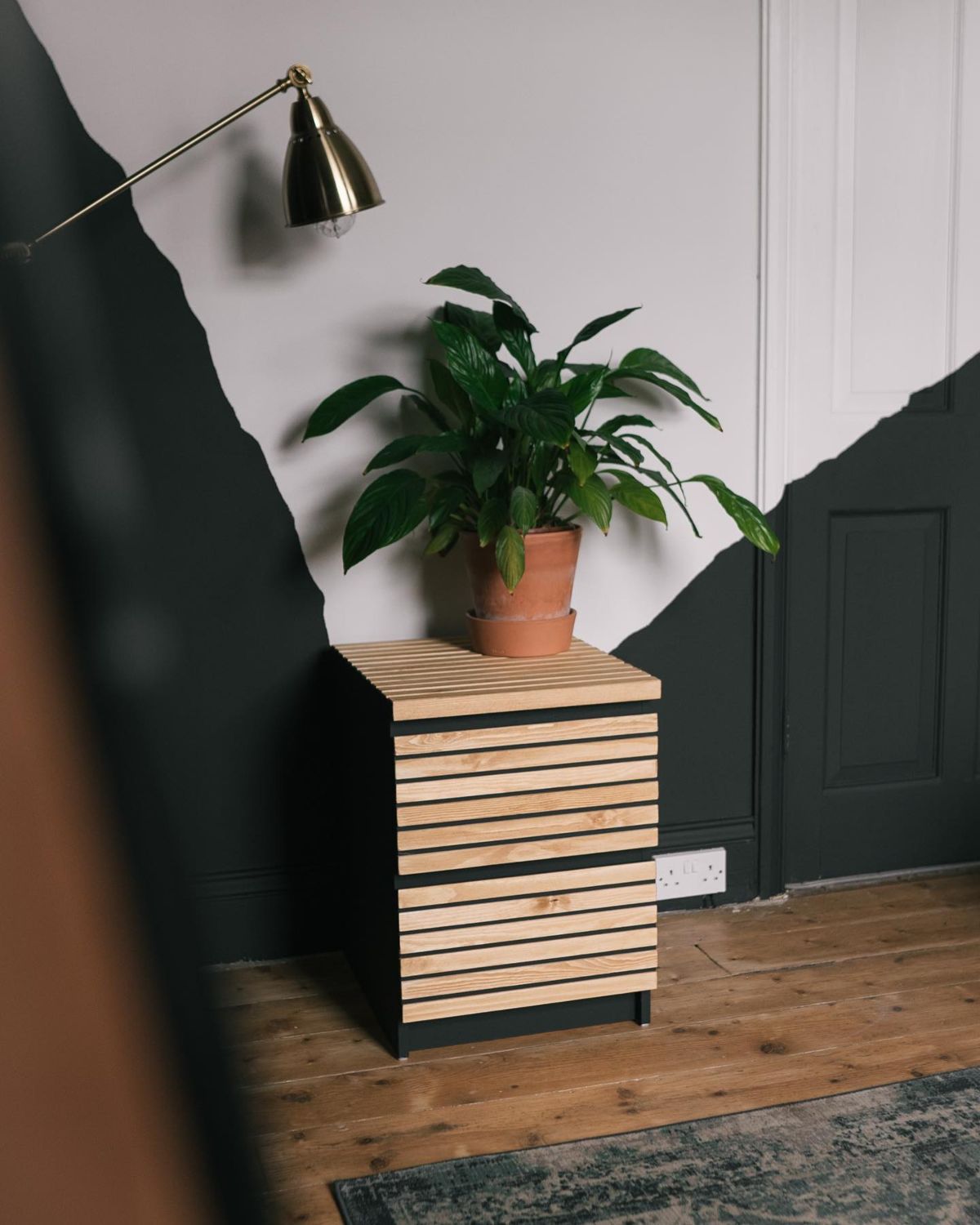
Transform a simple IKEA Malm two-drawer unit into an elegant statement piece without breaking the bank. By adding wooden slats treated with a rich antique pine stain, you introduce a warm, timeless vibe that instantly upgrades the look. This DIY approach brings depth and character to the drawers, making them ideal for cozy bedrooms or sophisticated home offices.
To complete the natural aesthetic, position a vibrant, living plant nearby. The greenery not only breathes life into the space but also beautifully harmonizes with the earthy wood tones, creating a balanced and inviting atmosphere that feels both fresh and organic.
Key Design Elements
Attach wooden slats to the drawer fronts to create visual interest and dimension
Use antique pine stain to achieve a cozy, rustic appeal
Add a thriving houseplant to enhance the organic, grounded color palette
Pro Tip: Take careful measurements and make clean cuts on your wooden strips to ensure a sleek, polished finish.
12. Creative Floating Shelves with Inverted Bekväm Racks
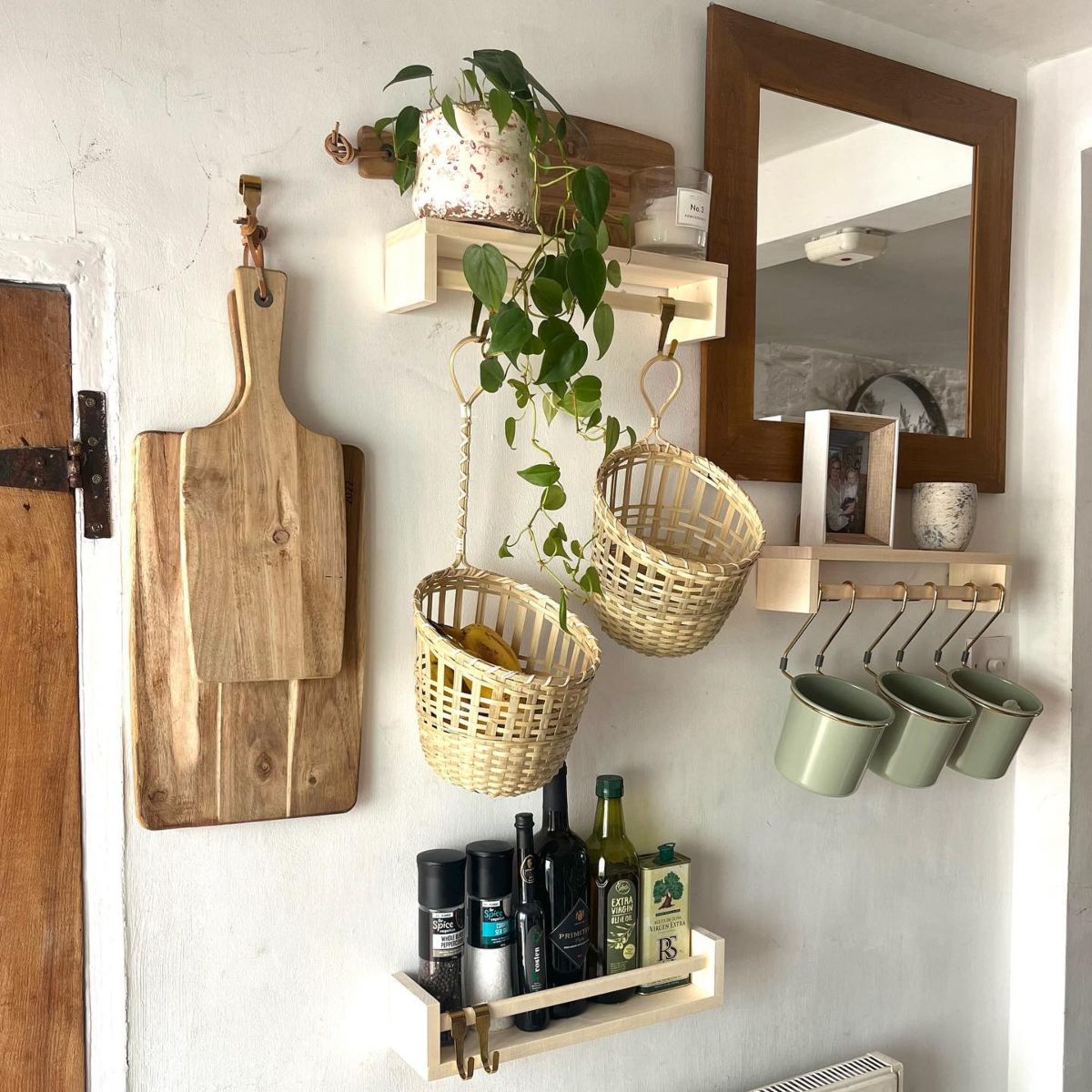
Give your kitchen or workspace a stylish upgrade by flipping IKEA’s Bekväm spice racks upside down. This simple adjustment transforms a basic rack into a chic floating shelf featuring a handy built-in rail beneath. It’s a fantastic way to add both display space and practical storage in one sleek package.
The inverted rack serves as an eye-catching platform to showcase your favorite items, while the rail below offers a spot to hang mugs, kitchen tools, or small baskets. This dual-purpose hack not only saves space but also adds an element of modern design to your walls, perfect for those who love combining form and function.
Key Design Elements
Flip Bekväm racks upside down to reveal a convenient hanging rail
Utilize the rail for mugs, utensils, or decorative baskets
Crafts an eye-catching floating shelf with versatile storage options
Pro Tip: For a polished and cohesive appearance, paint the racks before installation to make them blend seamlessly with your décor.
13. Chic Bathroom Vanity Upgrade
Elevate a basic IKEA piece by turning it into a stylish bathroom vanity that houses all your beauty must-haves in one sleek spot. This clever makeover not only streamlines your morning routine but also brings an air of luxury to your space, making your bathroom feel like an upscale retreat. Organizing your skincare and cosmetics has never been easier or more elegant.
By customizing this versatile unit, you create a personalized beauty corner that blends function with aesthetic appeal. It’s the perfect solution for anyone looking to declutter countertops while giving their bathroom a fresh, sophisticated vibe. The result is a harmonious blend of practicality and spa-inspired charm.
Key Design Elements
Transform an IKEA piece into your personal beauty hub
Incorporate compact trays and dividers to neatly arrange your skincare and makeup items
Infuse your bathroom with a calming, spa-inspired feel
Pro Tip: Enhance your setup by installing a stylish mirror accompanied by soft, warm LED lights to ensure flawless makeup application every time.
14. Stylish and Subtle Toy Storage Solutions
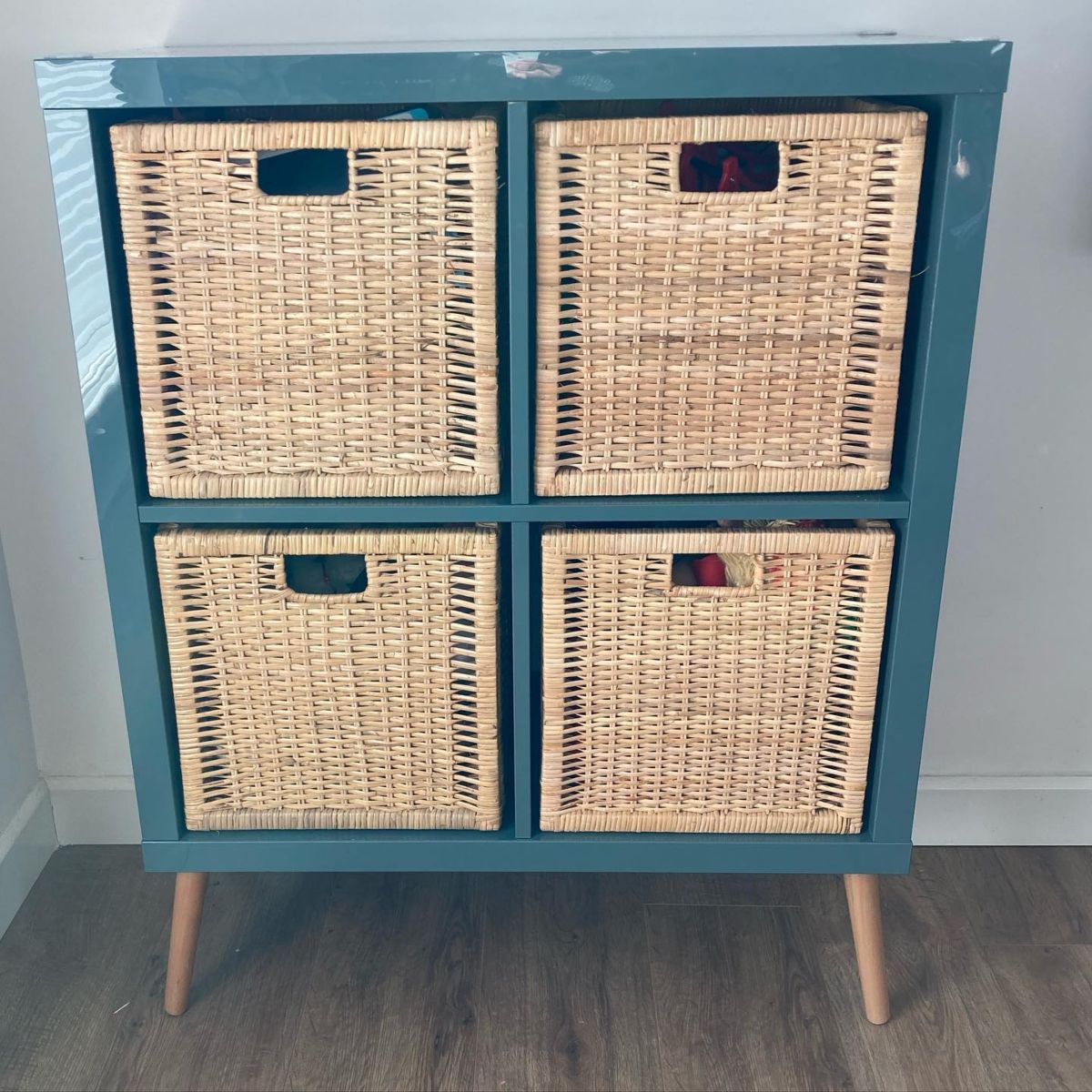
Struggling to keep your little ones’ toys tidy without sacrificing your living room’s style? IKEA’s Kallax shelves paired with rattan baskets offer a clever solution that blends functionality with modern design. Painting the Kallax units in a vibrant teal shade instantly elevates the look, injecting a fresh, trendy feel into the space. This smart hack proves that storing toys doesn’t have to clash with your décor—it can actually complement it beautifully.
The natural texture of rattan baskets helps to soften the overall aesthetic while cleverly concealing toys out of sight. This combination creates a harmonious, clutter-free environment that feels both welcoming and organized. With this approach, your living room stays neat and stylish, leaving you more time to enjoy the space with your family rather than tidying up constantly.
Key Design Elements
Give Kallax shelves a pop of color with teal paint for a chic, contemporary flair
Utilize rattan baskets as hidden compartments to keep toys out of view
Integrate toy storage seamlessly into your living room’s overall design
Pro Tip: Opt for rattan baskets with secure lids to fully hide toys and keep the space looking tidy.
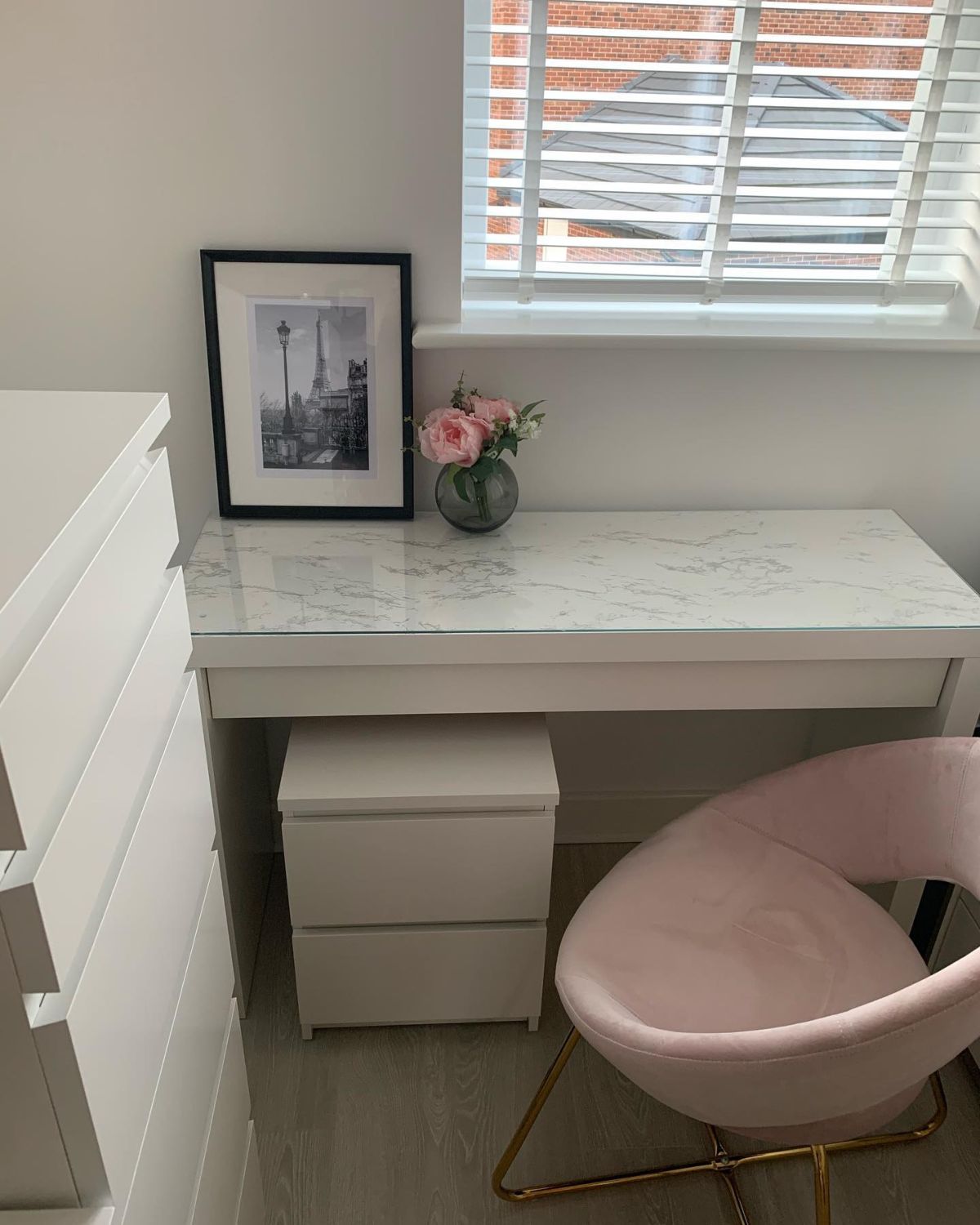
15. Chic Marble-Inspired Desk Upgrade
Elevate a basic IKEA desk into a chic focal point by dressing it with marble-look contact paper. This transformation brings a touch of Italian elegance and modern flair to any workspace, making it an ideal setup for a teen girl’s room craving style and sophistication. The cool, sleek surface paired with soft textures invites creativity and comfort.
To enhance the luxurious vibe, complement the desk with a plush velvet chair in a gentle pink hue. This combination not only adds warmth but also creates an inviting, stylish nook perfect for studying, journaling, or digital projects.
Key Design Elements
Cover your desk surface with marble-effect adhesive wallpaper for an instant style boost
Add a soft velvet chair to introduce comfort and a touch of glam
Ideal for refreshing a teen’s room or upgrading a home office corner
Pro Tip: For a smooth, bubble-free application, use a squeegee or a flat edge to gently press out air pockets as you go.
16. Creative Pegboard Storage for Kids’ Spaces
Transform your child’s room or play area into an organized haven with the IKEA Skådis pegboard. This versatile board is perfect for keeping craft supplies, toys, and art tools neatly arranged while adding a pop of color and fun to the space. Personalize it with an array of bright hooks, baskets, and containers to fit your child’s unique style and inspire creativity.
What makes the Skådis pegboard truly special is its adaptability. As your little one’s interests and needs evolve, you can easily rearrange the accessories to accommodate new hobbies or toys, ensuring the system grows alongside them. It’s an inventive way to encourage independence and keep clutter at bay in a playful and practical manner.
Key Design Elements
Install a Skådis pegboard on the wall in your child’s bedroom or playroom
Enhance organization with vibrant hooks and containers for art and craft supplies
Adjust the setup effortlessly to match your child’s changing interests and belongings
Pro Tip: Place the pegboard low enough so kids can reach everything easily, empowering them to tidy up on their own.
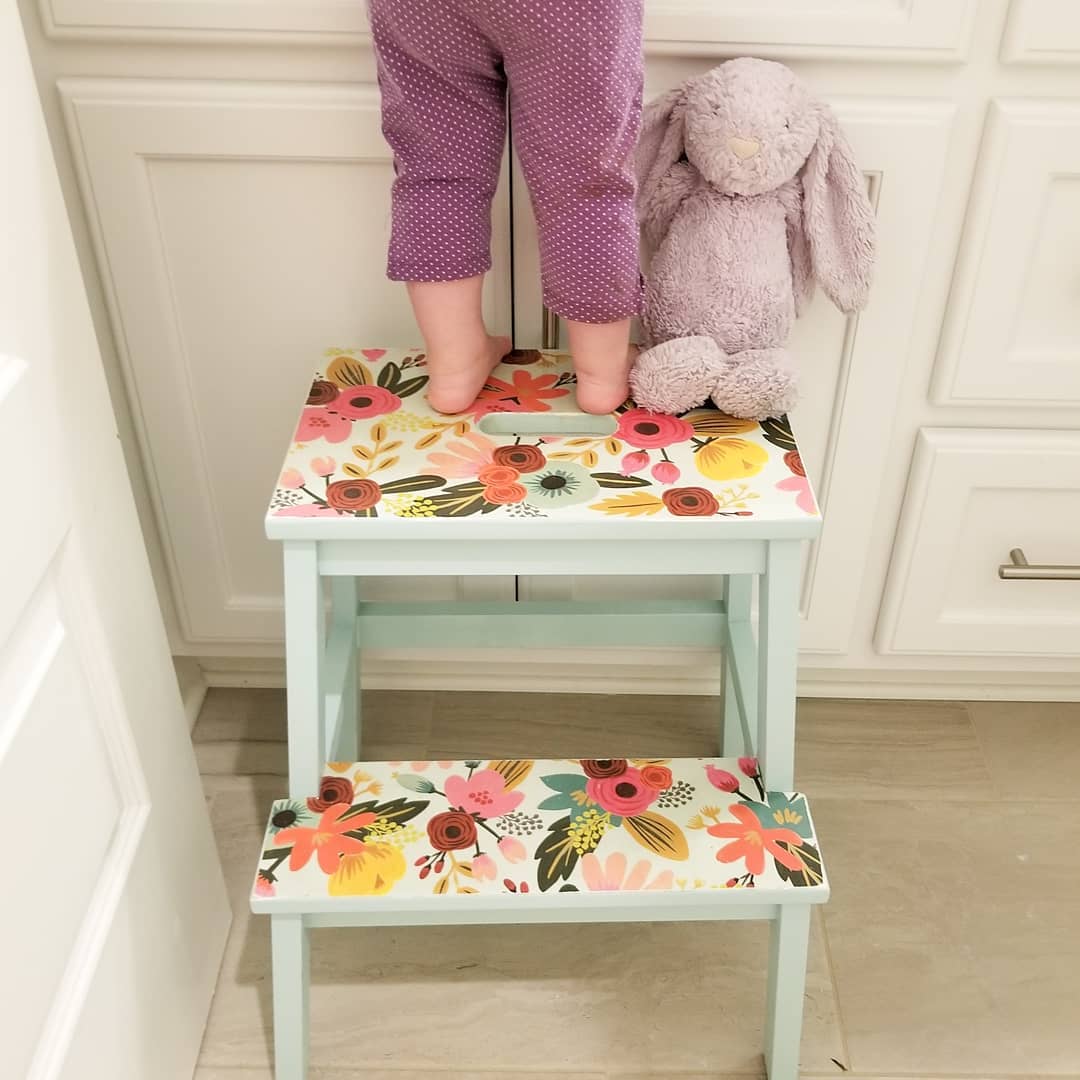
17. DIY Colorful Toddler Step Stool
Boost your little one’s confidence by crafting a personalized step stool designed just for them. Starting with the sturdy IKEA Bekväm step stool, you can easily add a splash of personality and charm by covering the surface with vibrant, patterned peel-and-stick paper. This not only makes the stool visually appealing but also transforms it into a playful accessory your toddler will love to use.
Perfect for bathroom routines like brushing teeth or washing hands, this customized stool encourages self-reliance and makes everyday tasks more accessible for your child. Plus, the simple design means you can switch up the look anytime to match your decor or your toddler’s evolving tastes.
Key Design Elements
Start with the reliable IKEA Bekväm step stool as your foundation
Decorate the top with bright, patterned peel-and-stick paper to add flair
Ideal for fostering bathroom independence in young children
Pro Tip: Opt for waterproof peel-and-stick paper to ensure your design stays fresh despite bathroom moisture and spills.
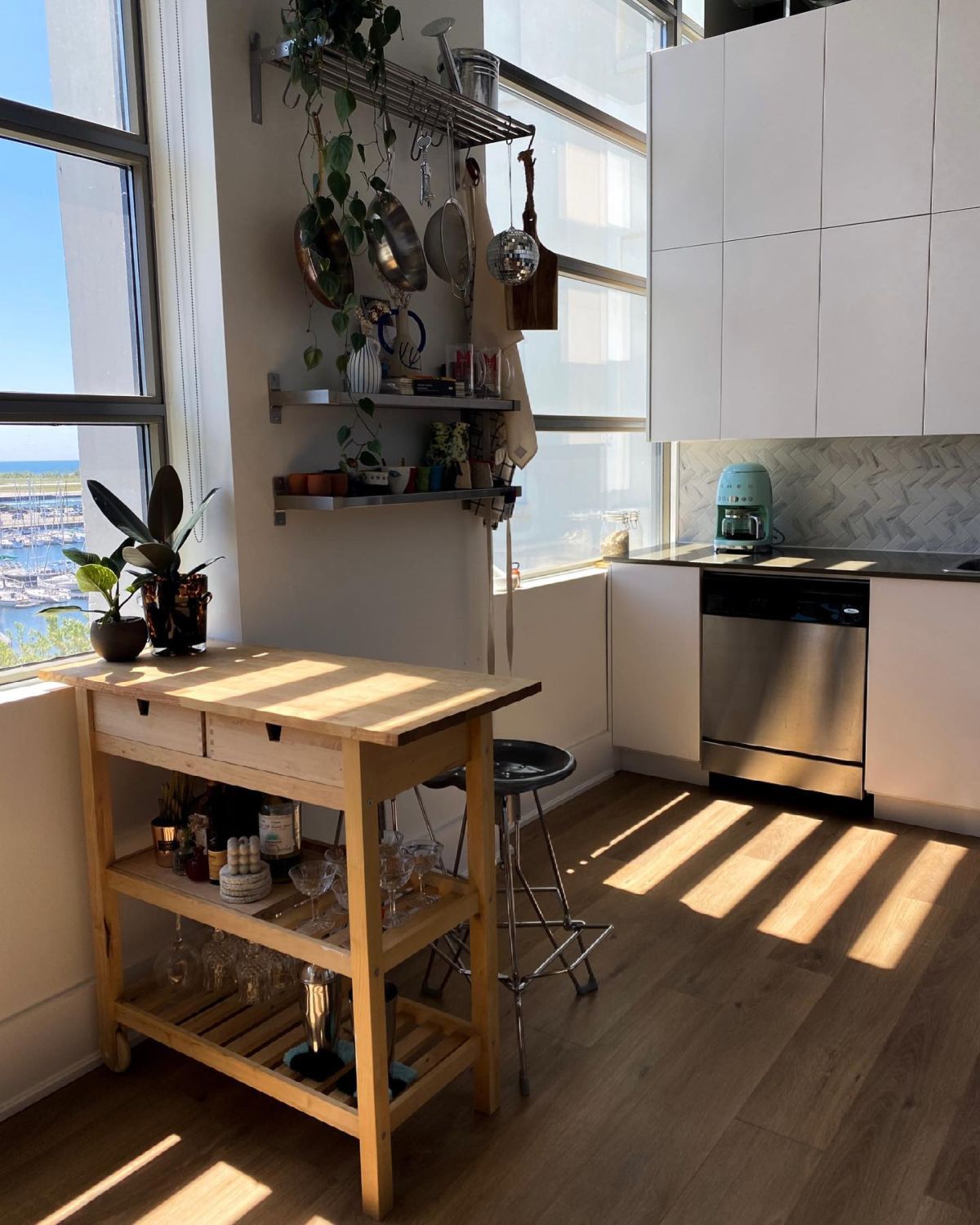
18. Cozy Kitchen Corner
The IKEA Förhöja cart shines when showcased in its natural wood tone, bringing warmth and charm to any kitchen space. This versatile piece effortlessly transforms into a chic little nook, perfect for enjoying a quick breakfast or savoring a leisurely morning coffee. Its clean lines and natural finish create an inviting spot that feels both modern and cozy.
To enhance this welcoming vibe, consider adding a pair of wooden bar stools that echo the cart’s finish. This not only ties the look together but also maximizes your space by providing comfortable seating without overwhelming the area. Whether you’re starting your day or winding down, this setup makes your kitchen feel like a personal retreat.
Key Design Elements
Keep the Förhöja cart in its original wood finish for a warm, natural look
Convert it into a breakfast station or a cozy coffee corner
Complement it with matching wooden bar stools for a unified style
Pro Tip: Place a small potted herb plant on the cart to add a touch of greenery and freshness to your kitchen retreat.
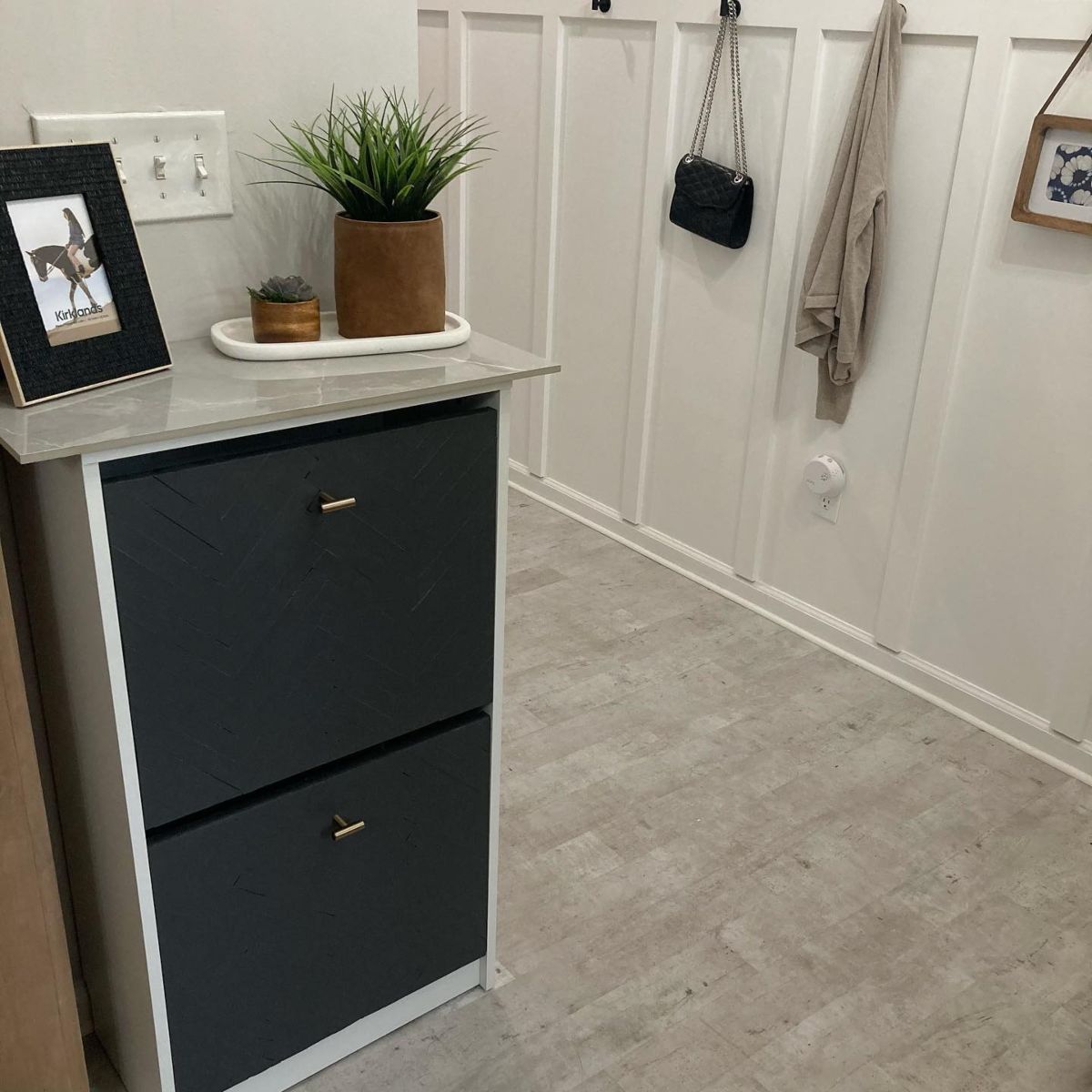
19. Chic Makeover for Your IKEA Bissa Drawer Unit
Give your IKEA Bissa drawer a bold and stylish transformation by painting it a sleek matte black. This makeover instantly elevates the piece from basic storage to a sophisticated statement in any room. To add a touch of glamour, swap out the original handles for elegant gold ones, creating a striking contrast that catches the eye.
Complete the look by styling the top surface with a curated selection of plants and an artful print or photo. This combination brings warmth and personality to your space, turning a once-overlooked corner into a chic and functional focal point. Not only does this hack enhance your decor, but it also adds valuable storage with a fashionable twist.
Key Design Elements
Coat the Bissa drawer in matte black paint to create an impactful, contemporary vibe
Upgrade the drawer pulls to gold knobs or handles for a touch of opulence
Accessorize the top with greenery and framed artwork to personalize and polish the space
Pro Tip: For a flawless, professional look, spray on two even layers of matte black paint, allowing adequate drying time between coats.
20. Smart Shoe Storage Solutions
Tired of stepping over a chaotic pile of shoes at the bottom of your closet? It’s time to bring order to your footwear collection with a stylish and functional solution. IKEA’s Kallax storage cubes offer a versatile way to keep shoes neatly organized while making the most of your available space. These modular units can be arranged in countless configurations, perfectly tailoring your storage to fit any closet size or layout.
Beyond footwear, the upper shelves of Kallax cubes provide an ideal spot for storing bulkier items like handbags, gym bags, or even seasonal accessories. With everything in its place, your closet will not only look tidier but also be much easier to navigate when you’re getting ready.
Key Design Elements
Use Kallax cube organizers to keep your shoes orderly and easy to find
Customize the arrangement by combining multiple units to suit your closet’s shape
Utilize the top sections for storing bags and larger accessories with ease
Pro Tip: Add labels to each cube compartment so every family member knows exactly where to place their shoes.
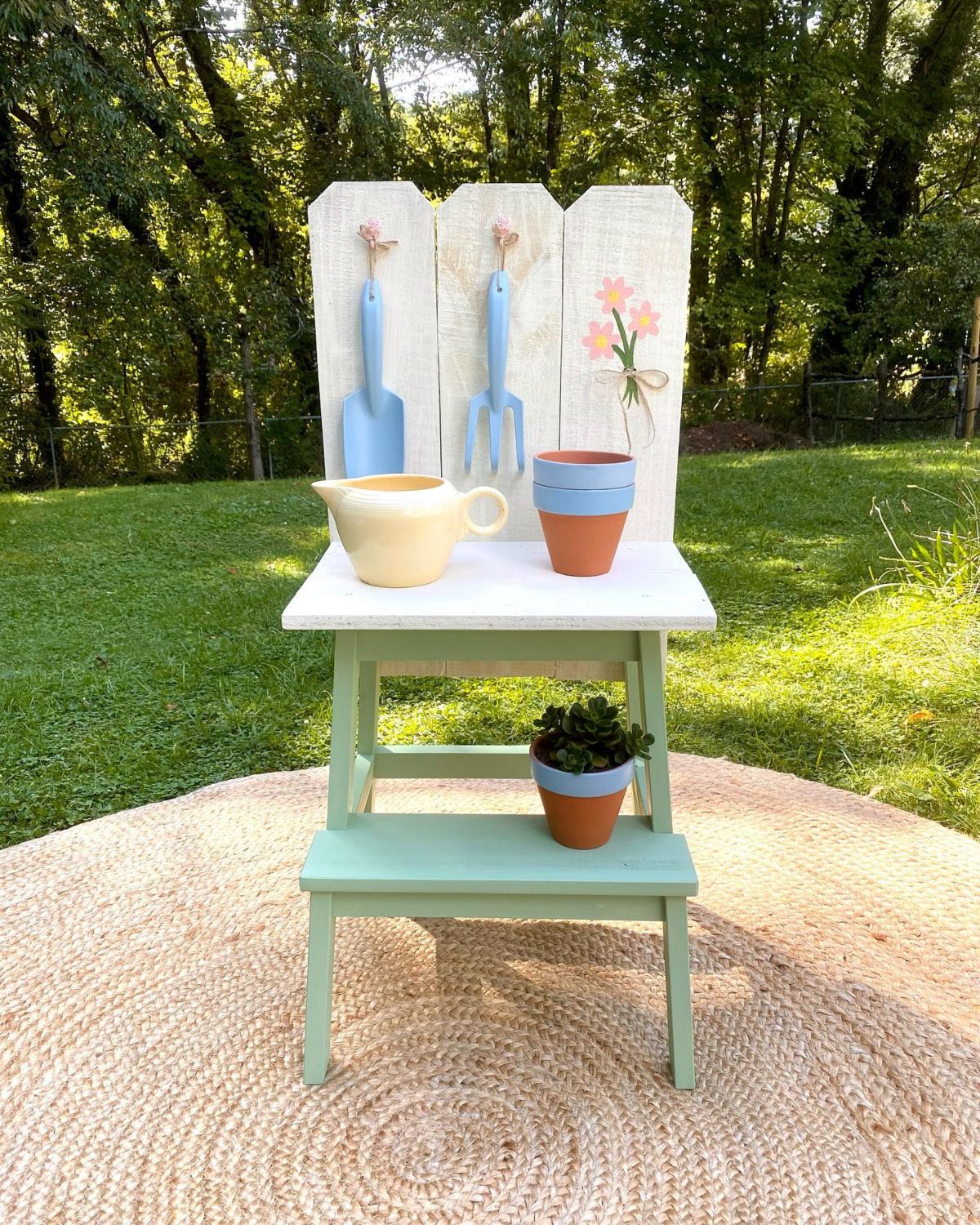
21. DIY Garden Station from an IKEA Bekväm Stool
Give your gardening routine a stylish upgrade by transforming the simple IKEA Bekväm step stool into a charming potting station. This clever makeover creates a compact, functional workspace perfect for organizing your essentials like plant pots, hand tools, and watering cans. It’s a fun and practical project that injects both personality and practicality into your garden setup.
Ideal for green thumbs who appreciate clever storage solutions, this compact bench offers easy access to everything you need while adding a handcrafted touch to your outdoor area. Plus, it doubles as a thoughtful, budget-friendly gift for the gardening enthusiast in your life—adding a personal flair that store-bought items just can’t match.
Key Design Elements
Repurpose the Bekväm step stool into a handy gardening workstation
Keep your pots, tools, and watering can neatly arranged on the built-in shelves
Create a meaningful, handcrafted gift that any gardener will cherish
Pro Tip: For outdoor use, protect your new potting bench by applying a durable weather-resistant varnish to keep the wood looking great season after season.
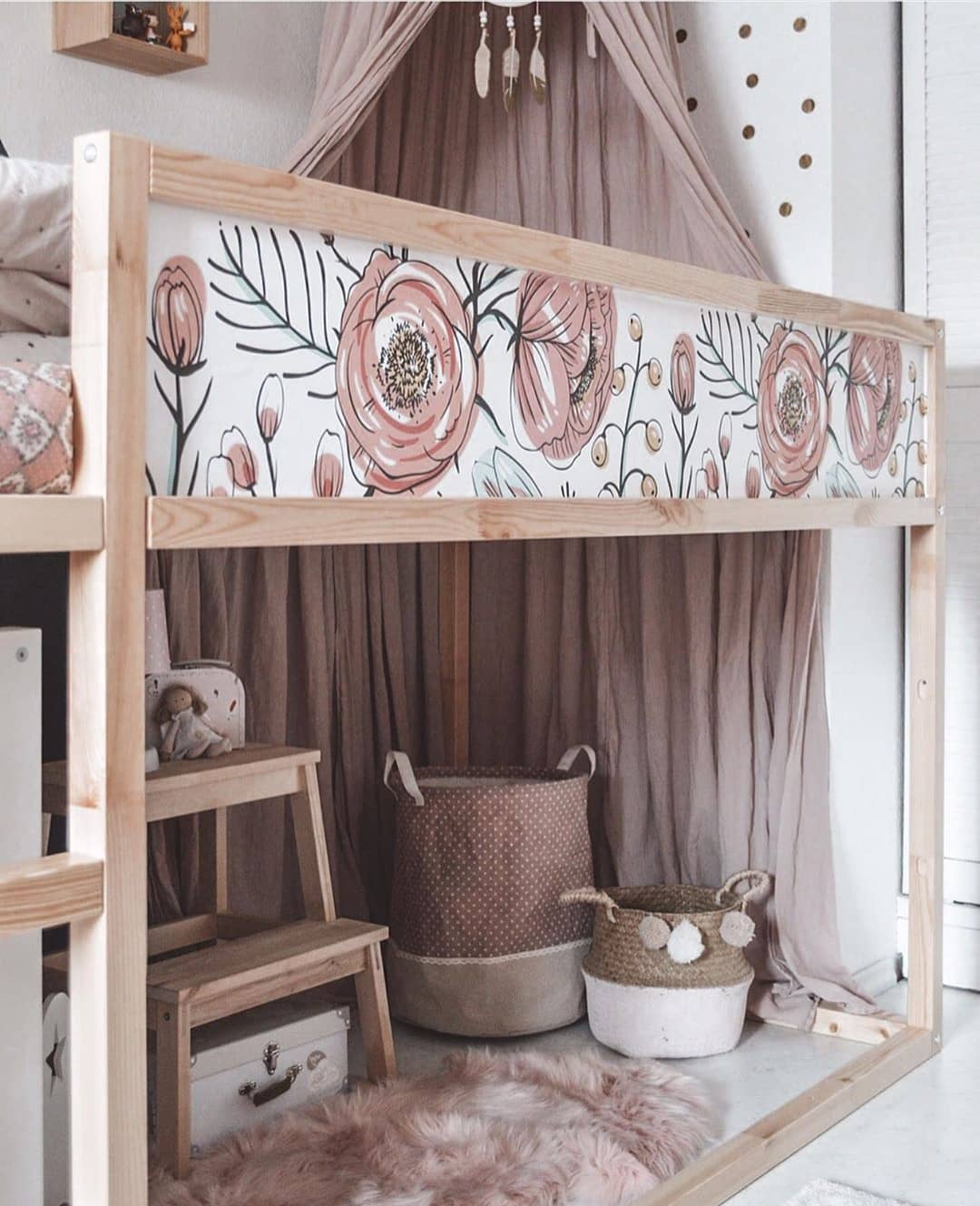
22. Creative Ways to Style the IKEA Kura Bed
The IKEA Kura bed is surprisingly versatile, offering two distinct looks depending on how you set it up. Whether you choose the classic low profile or flip it to create a loft-style bed with space underneath, this piece can transform any bedroom into a stylish retreat. The warm, nostalgic hues in this setup perfectly complement the vintage vibe of the room.
To complete the look, practical elements like the IKEA Bekväm step stool provide easy access to the upper bunk, while fabric storage baskets keep essentials organized without sacrificing style. Adding a retro suitcase brings a touch of character and charm, blending function with a unique flair that makes the space truly your own.
Key Design Elements
Invert the Kura bed for a fresh, elevated layout
Use a Bekväm step stool to effortlessly climb up and down
Incorporate vintage suitcases and fabric baskets for stylish storage and personality
Pro Tip: Give the Kura bed a fresh coat of warm white or soft pastel paint to amplify its vintage charm.
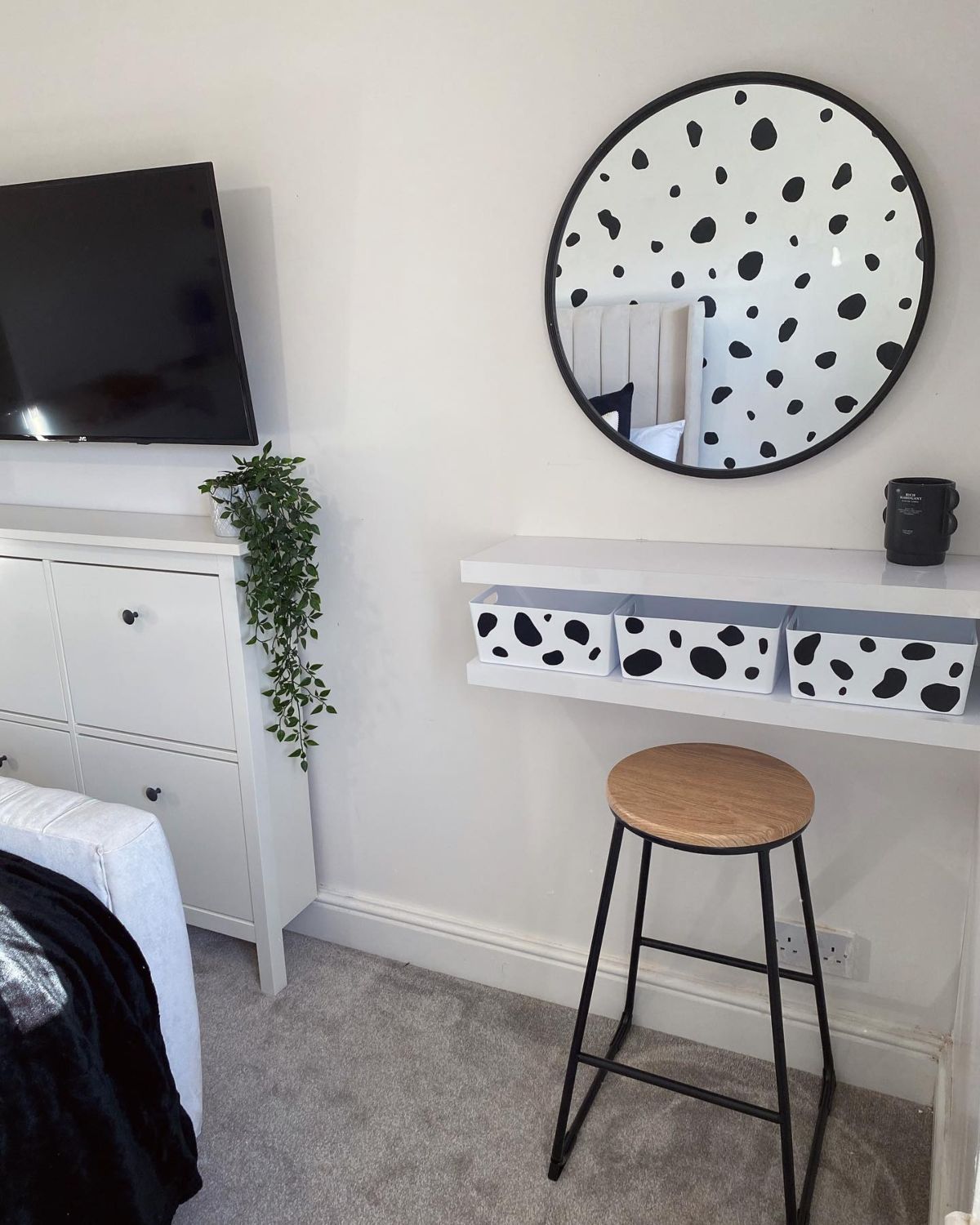
23. Creative Storage Solutions Beneath Your TV
Transform the area below your television into a stylish and practical zone with a smart IKEA storage hack. By combining sleek storage units with a striking cheetah print wall decal, you can inject a lively and adventurous vibe into your living space. This setup not only keeps your essentials within reach but also adds a fun design element that catches the eye.
This approach is perfect for those looking to balance function with flair. It offers a neat way to stash remotes, gaming accessories, and cords, turning what could be cluttered chaos into a polished and inviting nook. The animal print detail brings personality and a hint of the wild, making your entertainment area uniquely yours.
Key Design Elements
Customize IKEA shelving to build a tidy and accessible storage area beneath your TV
Incorporate a vibrant cheetah motif on the wall to create a captivating centerpiece
Keep all your remotes, controllers, and wires orderly and easy to find
Pro Tip: Employ cable clips or ties to discreetly bundle TV wires, ensuring a clean and streamlined appearance.
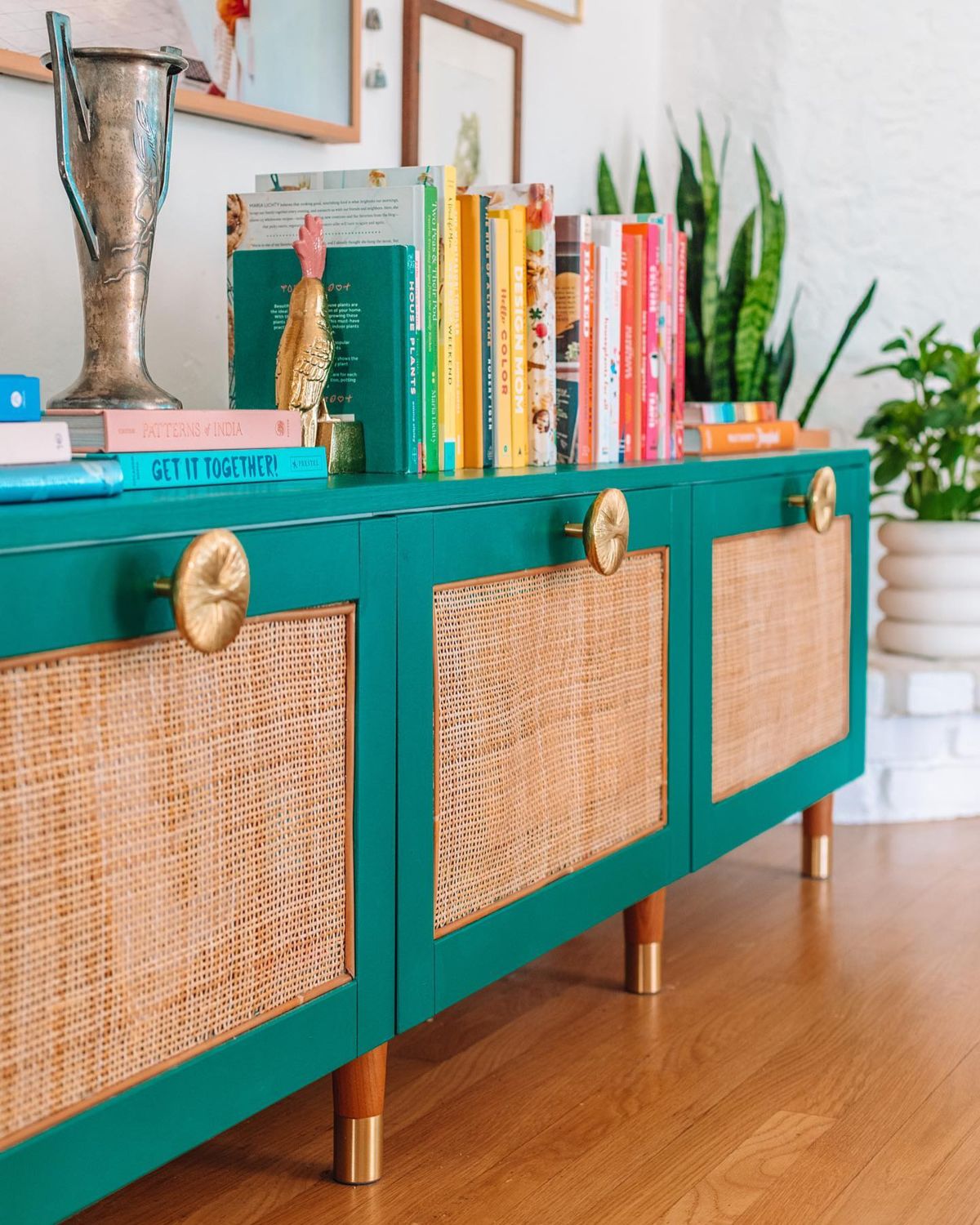
24. Elevate Your Space with the IKEA Bestå Makeover
Transforming the IKEA Bestå sideboard into a statement piece is easier than you think. By giving it a rich forest green coat, you instantly add depth and sophistication to your space. Incorporating cane rattan panels on the doors introduces a natural, tactile element that contrasts beautifully with the sleek finish. To top it off, swapping out the standard handles for bold, gold hardware infuses the piece with a luxurious, high-end vibe, all without breaking the bank.
This DIY approach not only breathes new life into a classic unit but also offers a personalized touch that makes your room truly stand out. The mix of vibrant color, organic texture, and elegant accents ensures your Bestå sideboard looks like a boutique find rather than a mass-produced item.
Key Design Elements
Coat the Bestå in a deep forest green for a dramatic pop of color
Integrate cane rattan door panels to add warmth and texture
Upgrade with striking gold handles to achieve a designer finish
Pro Tip: Opt for chalk paint to achieve a smooth, matte surface without the need for any primer.
25. Organized and Enchanting Kids’ Bedrooms
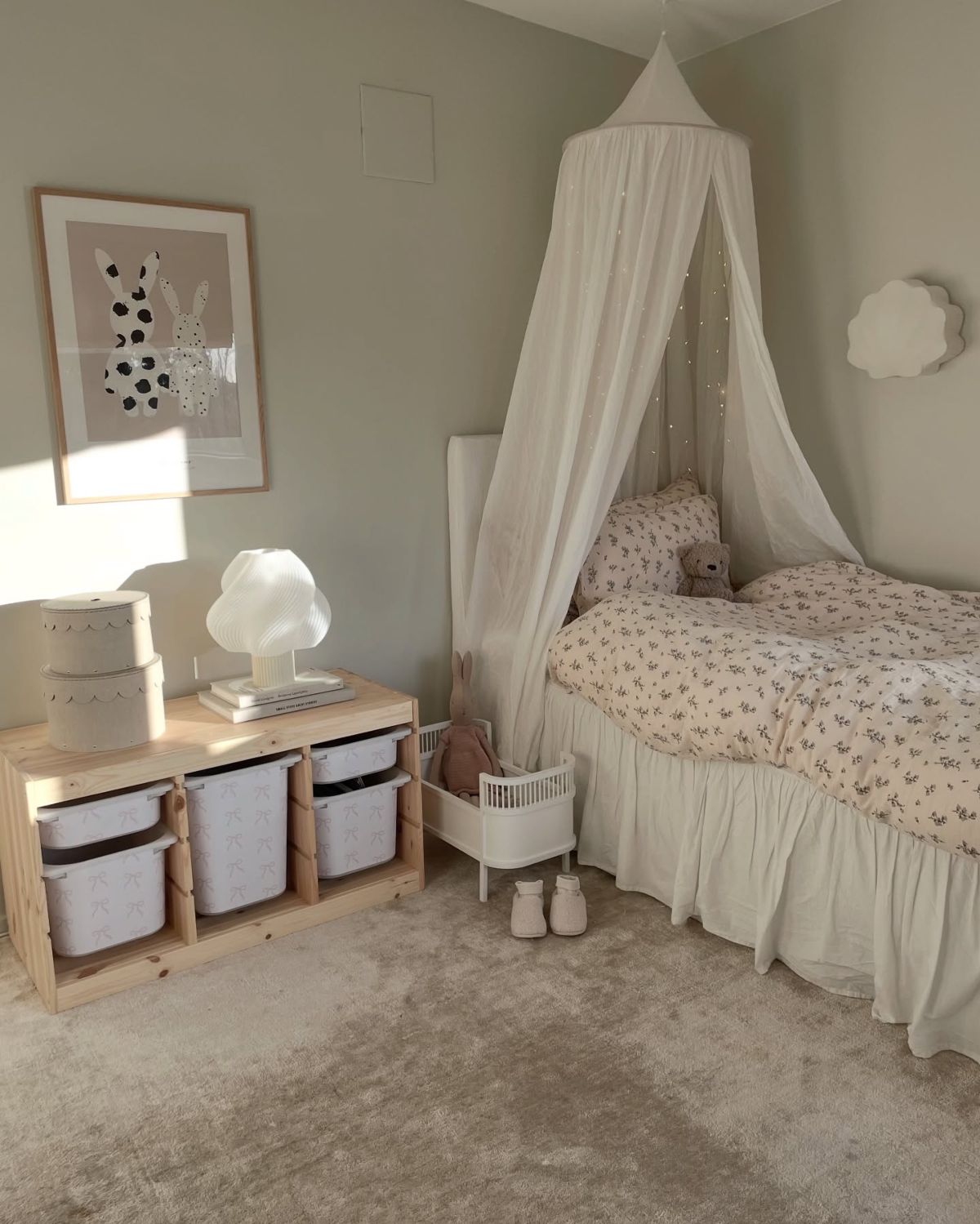
Help your little ones develop a love for a clean and organized space with smart storage solutions. The IKEA Trofast unit is a fantastic choice, featuring easy-to-slide bins that encourage children to put away their toys, books, games, and clothes without hassle. Its modular design keeps everything within reach, making tidying up a breeze.
To elevate the room’s vibe, consider adding a whimsical ceiling canopy above the bed. This simple addition transforms the space into a cozy hideaway that sparks imagination and makes bedtime feel extra special. Together, these elements create a functional yet enchanting environment your kids will adore.
Key Design Elements
Slide-out bins in the Trofast system simplify cleanup for kids
Ideal storage for toys, books, puzzles, and wardrobe items
Incorporate a ceiling canopy to add a magical, cozy atmosphere
Pro Tip: Assign different colors to each bin to help children sort and locate their items quickly and independently.
26. Mobile Kitchen Island Makeover
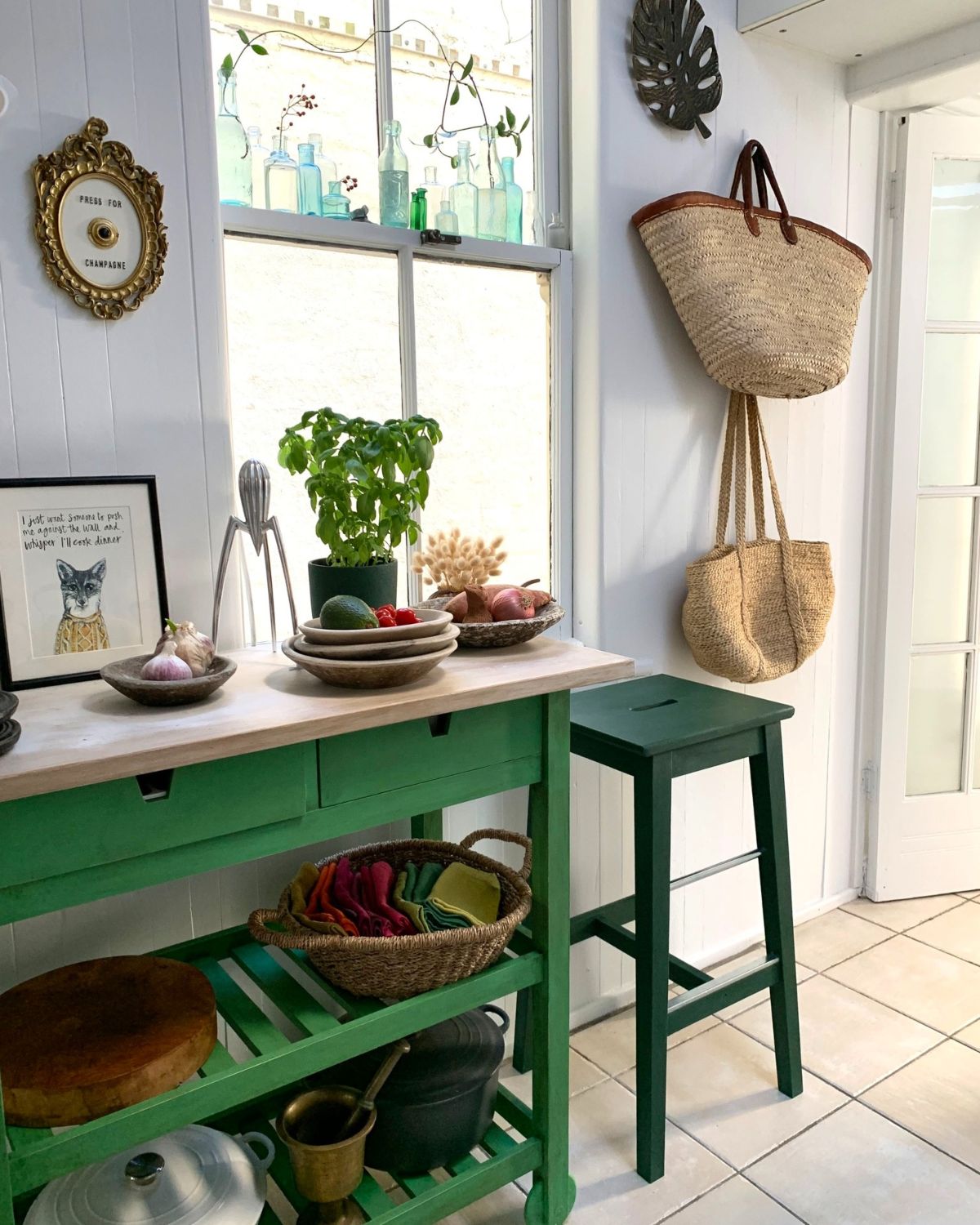
Transforming a simple rolling cart into a dynamic mini kitchen island is a game-changer for any cooking space. By customizing an IKEA Förhöja cart with a splash of vivid green paint, you not only inject a burst of color but also create a functional centerpiece that stands out. This versatile trolley adds valuable countertop space for meal prep and doubles as a handy storage solution, perfect for kitchens where every inch counts.
The beauty of this hack lies in its mobility: equipped with smooth-rolling wheels, the cart effortlessly glides across your kitchen, allowing you to position it wherever you need an extra hand. Whether you’re chopping vegetables or serving drinks at a gathering, this vibrant, on-the-go island keeps your essentials within reach while brightening up the room.
Key Design Elements
Add a pop of color by painting the Förhöja cart to suit your style
Wheeled design lets you effortlessly reposition it around your kitchen
Enhances prep space and offers additional storage for compact kitchens
Pro Tip: For a finish that resists stains and wipes clean easily, apply two layers of semi-gloss paint.
27. Chic Kallax Closet Organizer
Transform your bedroom into a sleek dressing area using IKEA’s versatile Kallax shelving units. This affordable solution helps you curate a polished and functional space where your clothes and accessories are always within easy reach. By customizing the fronts with beautiful patterned peel-and-stick wallpaper, you instantly elevate the look to something truly designer-worthy without breaking the bank.
Complement the structure with rich, dark brown fabric bins to neatly corral your essentials, adding both texture and warmth to the setup. This smart combination of open and concealed storage keeps your wardrobe clutter-free while making a bold style statement.
Key Design Elements
Build a complete dressing area using Kallax shelving as your base
Apply decorative peel-and-stick wallpaper to doors for a personalized, upscale vibe
Organize garments and accessories inside coordinating fabric bins for a tidy look
Pro Tip: Stick to a single bin color palette to maintain a streamlined and sophisticated aesthetic throughout your dressing unit.
28. Cozy Compact Mudroom Makeover
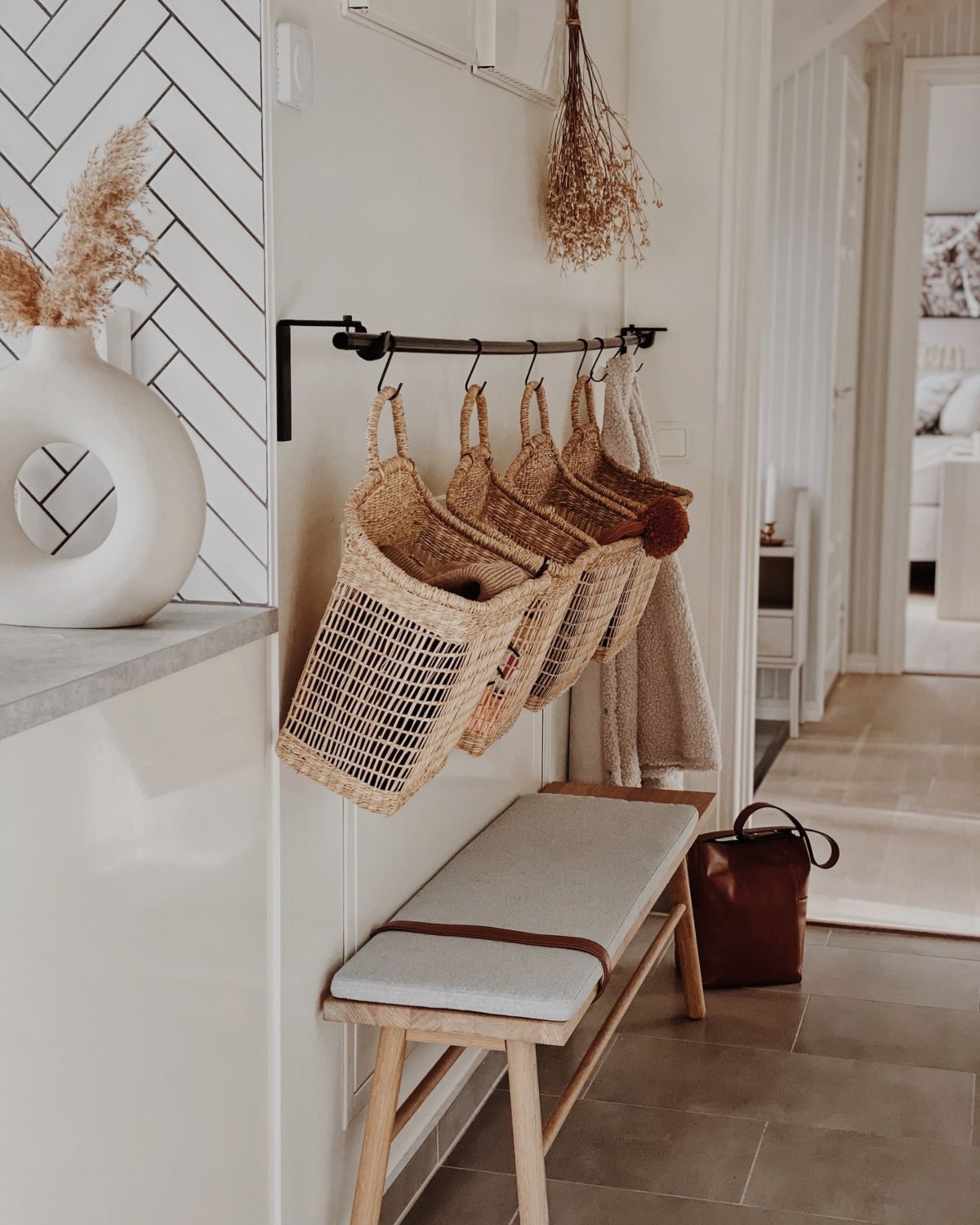
Transform your entryway into a cozy, functional space perfect for the cooler months. This mini mudroom concept offers a smart solution for organizing heavier coats, bulky boots, and all those winter accessories that tend to clutter the hallway. By incorporating a simple curtain rod paired with stylish woven baskets, you create an inviting setup where everything has its place—from mittens to hats and scarves.
To complete the look, place a quaint bench beneath the hanging storage. This not only provides a comfortable spot to sit while swapping out snow boots but also adds a charming touch to your home’s first impression. This small yet thoughtful design ensures your family stays warm, organized, and ready to face the chilly season with ease.
Key Design Elements
Hang a sturdy curtain rod to neatly display coats and carryalls
Utilize woven baskets suspended from the rod to corral scarves, mittens, and hats
Incorporate a compact bench beneath the setup for convenient shoe changing
Pro Tip: Install the curtain rod at staggered heights so both kids and adults have easy access to their outerwear.
29. Elegant Rattan-Fronted Dresser Makeover
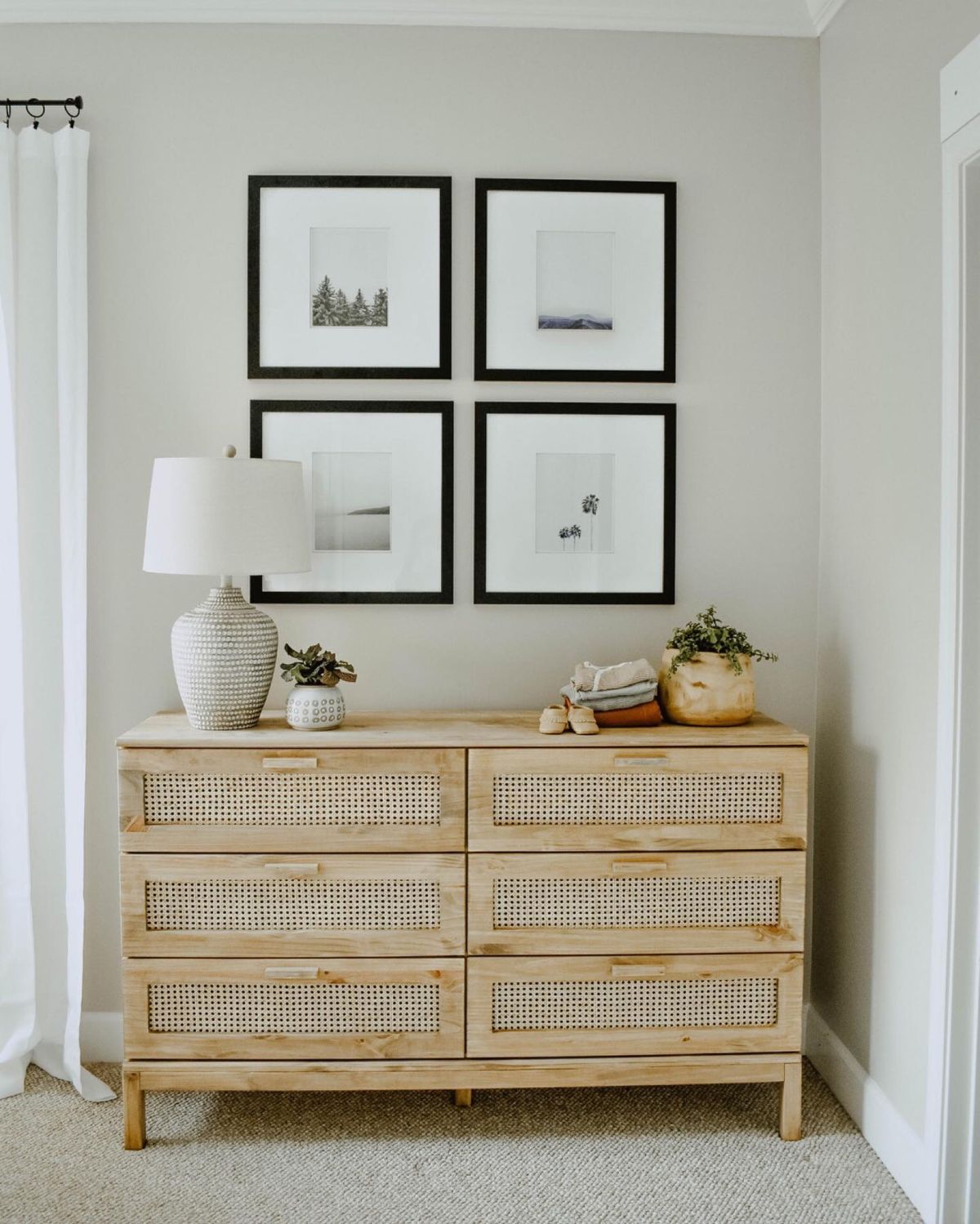
Transform your basic IKEA Trava dresser into a statement piece with a stylish cane rattan upgrade. Swapping out the standard wooden drawer fronts for woven rattan panels instantly infuses the dresser with natural texture and a cozy, inviting vibe. This simple change elevates the dresser from ordinary to effortlessly chic, perfect for adding a touch of organic elegance to your bedroom.
To complement this fresh furniture update, try curating a gallery wall above the dresser. Use sleek black frames to showcase your favorite photos or artwork, creating a refined and personalized display that beautifully contrasts with the light tones of the rattan. This combination results in a space that feels both warm and thoughtfully styled.
Key Design Elements
Swap out wooden drawer fronts for textured cane rattan inserts
Design a gallery wall with black-framed photos for a polished finish
Natural rattan weave brings warmth and depth to bedroom decor
Pro Tip: Lightly sand the drawer surfaces before attaching rattan to ensure a smooth, snug fit.
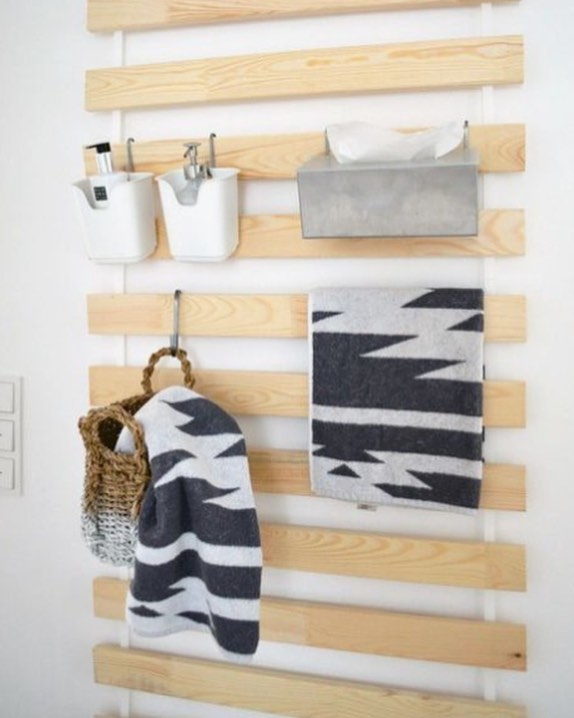
30. Chic Bed Slat Wall Organizer
Transform a lackluster bathroom wall into a stylish storage solution by giving new life to old bed slats. Their natural wooden texture instantly injects warmth and a touch of rustic charm, creating a welcoming atmosphere. With a bit of creativity, these simple slats become the perfect foundation for an eye-catching wall rack.
Elevate the look further by attaching woven wicker baskets to your slat creation. These baskets not only provide a practical spot for storing soft, patterned towels but also add an element of texture and visual interest. This clever combination brings both function and aesthetic appeal to your bathroom in one easy upgrade.
Key Design Elements
Turn IKEA bed slats into an elegant wall-mounted storage rack
Incorporate wicker baskets for an attractive towel display
Natural wood tones enhance bathroom warmth and coziness
Pro Tip: Apply a clear sealant to the wooden slats to guard against humidity and maintain their beauty in the bathroom environment.
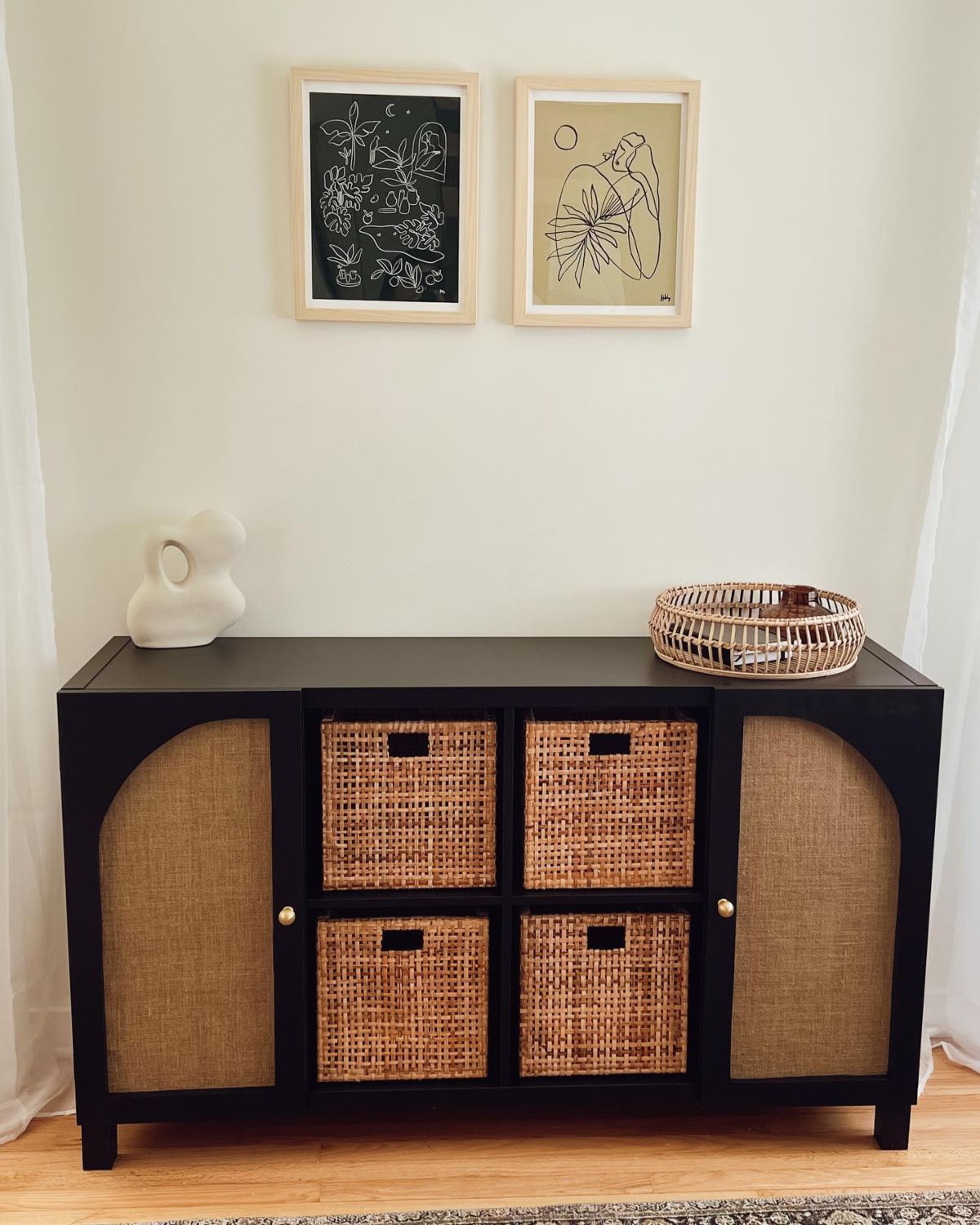
31. Chic Rattan-Inspired Sideboard Makeover
Transforming IKEA Kallax shelves into stylish, affordable furniture is a project full of creative potential. By introducing woven cane rattan panels and layering on a rich, dark paint finish, you can effortlessly craft a sideboard that feels both contemporary and inviting. This simple upgrade elevates the humble Kallax into a statement piece that complements any modern living space.
Whether you’re aiming for a cozy bohemian vibe or a sleek minimalist look, the combination of deep hues and natural textures brings warmth and sophistication to your home. Plus, the versatility of this design means it can seamlessly serve multiple functions—from a media console to a hallway storage solution—making it a smart and attractive addition to any room.
Key Design Elements
Coat Kallax shelves with dark, moody paint to add depth and elegance
Incorporate cane rattan panels for a fresh, boho-chic aesthetic
Perfect as a sideboard, entertainment center, or entryway piece
Pro Tip: Opt for navy or charcoal shades to ensure a classic, adaptable look that stands the test of time.
Conclusion
Transforming your space doesn’t have to come with a hefty price tag. These budget-friendly IKEA hacks prove that with a little creativity and some clever thinking, you can create stylish, personalized decor that truly reflects your personality without breaking the bank. Whether you’re updating a single piece or reimagining an entire room, remember that ingenuity and a keen eye for detail will always outshine an expensive price tag.
So go ahead, experiment with these ideas and make them your own! We’d love to see how you bring your vision to life—don’t forget to share your results and inspire others in the Nick’s Home Guide community. After all, the best home decor stories are the ones you create yourself.
There’s something undeniably magical about having a touch of greenery in your living room. Beyond their obvious beauty, houseplants bring life, color, and a soothing sense of calm to the heart of your home. Whether you’re curling up with a book, entertaining friends, or simply unwinding after a long day, the right plant can transform your space into a breath of fresh air—both literally and figuratively.
But choosing the perfect plants for your living room isn’t just about picking something pretty. It’s about finding greenery that thrives in your lighting conditions, fits your style, and adds a bit of personality to your everyday environment. In this post, we’ll explore some of the best houseplants suited for living rooms, from low-maintenance beauties to statement-making showstoppers. Ready to greenify your space? Let’s dive in!
The Trending Beauty
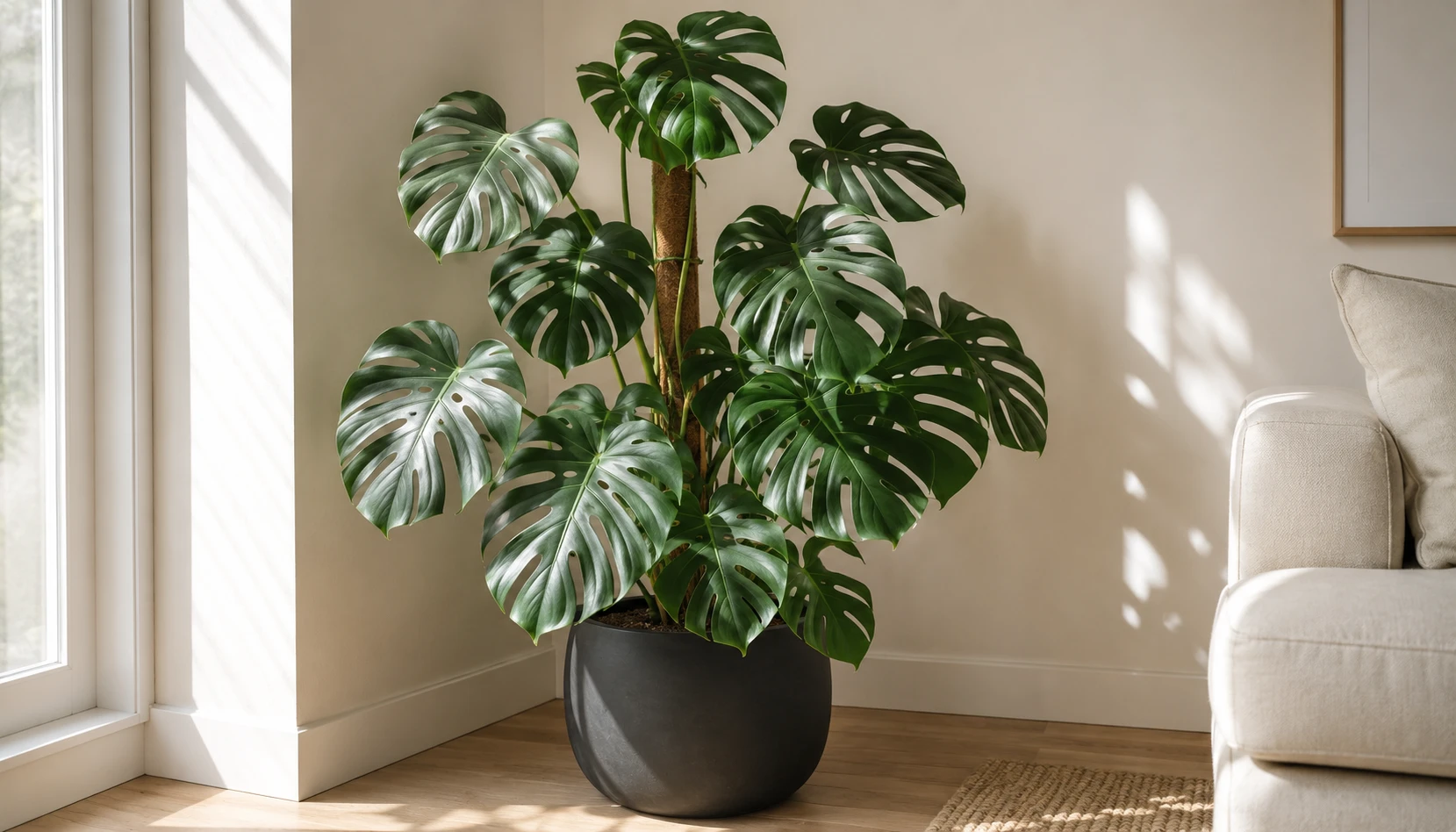
1. Monstera Deliciosa — The Iconic Split Leaf
If the fiddle leaf fig dominated the past decade, the Monstera Deliciosa is undoubtedly stealing the spotlight today. Those instantly recognizable, dramatic split leaves—known as fenestrations—have become a staple in contemporary interiors, offering a bold, organic shape that elevates any space.
Light requirements: Thrives in bright, indirect light. While it can survive in medium light, those iconic leaf splits only fully develop when the plant receives plenty of brightness.
Watering schedule: Typically once a week, with a lighter touch during the colder months. Always let the top two inches of soil dry out before giving it a drink.
Ideal placement in the living room: Think of it as a lush sidekick beside your sofa, nestled in a sunny corner, or positioned near expansive floor-to-ceiling windows. Keep in mind—Monsteras grow impressively large, so give it plenty of breathing room.
Styling advice: Encourage your Monstera to climb by adding a moss pole or a simple wooden stake. This vertical support not only mimics its natural environment but also showcases those stunning leaves at their best.
Why it shines in today’s homes: The bold, sculptural foliage makes for striking photos and adds an architectural element to your décor. Every leaf tells a story with its unique pattern of splits and holes, making the plant a living piece of art.
Growth tip: What starts as a modest nursery find can quickly transform into a towering, 5-foot centerpiece within just a couple of years if cared for properly. Make sure you’re ready for its impressive size.
A friendly caution: Monstera leaves contain toxins harmful to pets if ingested, and those big leaves can sometimes topple onto curious furry friends. Be sure to firmly secure any climbing supports to keep everyone safe and happy.
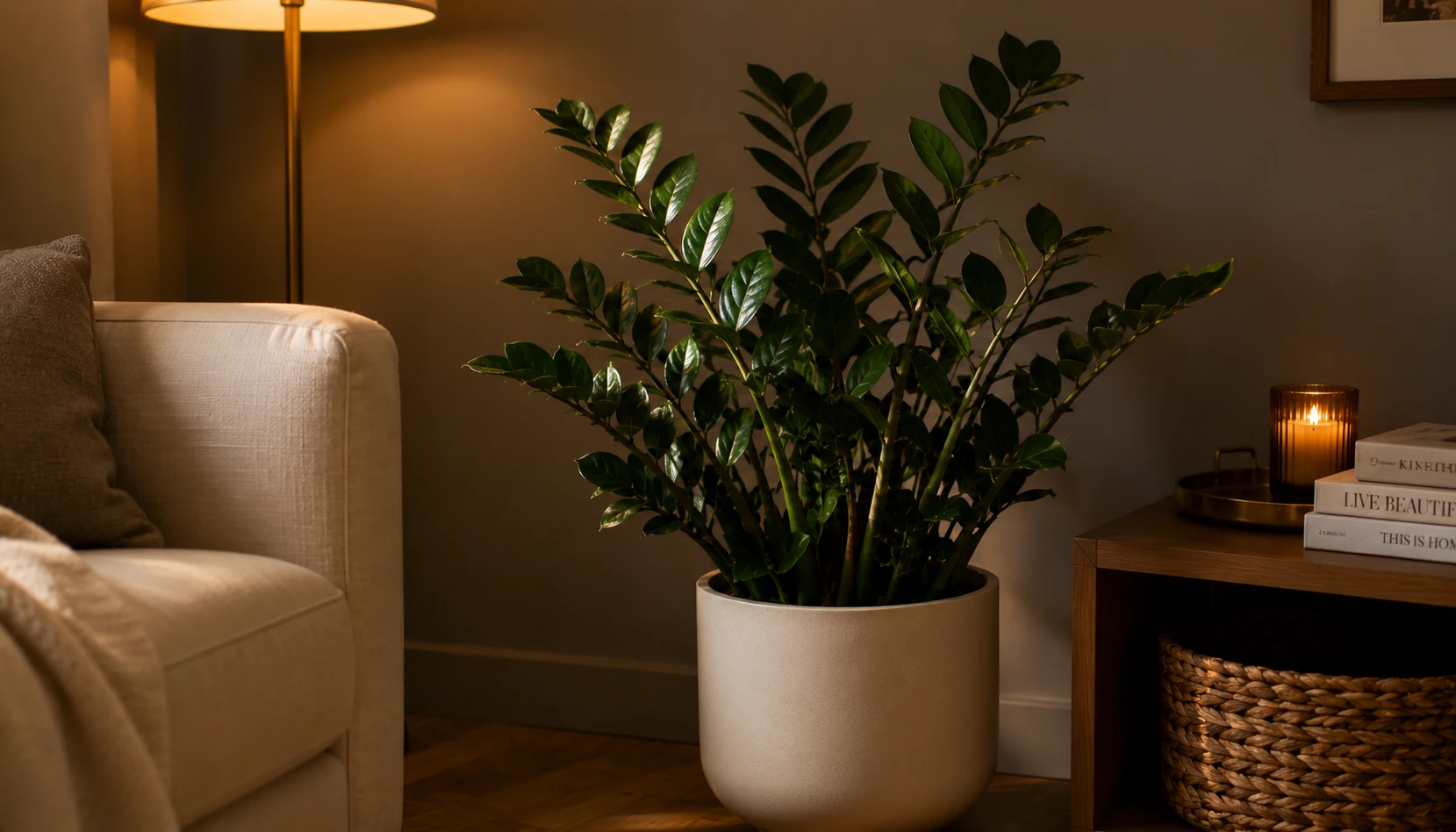
If your space struggles with natural light, meet the ZZ plant—the ultimate survivor for those dim corners where most greenery would give up. This resilient beauty flourishes in spots where other plants simply can’t compete.
Light needs: ZZ plants are incredibly adaptable, thriving in everything from low to bright indirect light. Alongside snake plants, they’re the champions of low-light living.
Watering: Every 2 to 3 weeks does the trick. Thanks to their succulent-like stems, they store water efficiently, making underwatering much safer than drowning them.
Best spots in your home: Think dark nooks, next to your TV stand, tucked into windowless alcoves—any place where other plants would wither away.
Styling tip: Those shiny, deep green leaves pop beautifully against matte cream or terracotta pots. The luscious gloss paired with a muted finish creates a stylish, contemporary vibe.
Why it’s a 2026 living room favorite: The ZZ’s glossy foliage catches and reflects whatever light filters in, making it an eye-catching presence even in shadowy corners. Plus, its architectural form brings a modern, curated touch to your decor.
Growth note: ZZ plants take their time growing, so pick one at the size you want. A medium-sized ZZ is likely to stay that way for quite a while.
A quick caution: All parts of this plant are toxic to pets if ingested, and its sap can irritate skin—so be sure to wash your hands after handling.
The Drama Plant
3. Bird of Paradise (Strelitzia) — Tropical Statement
If you’re lucky enough to have a spacious living room with soaring ceilings and plenty of sunlight, the Bird of Paradise is your go-to plant for making a bold, tropical statement. Its towering stems crowned with broad, paddle-shaped leaves instantly transform any corner into a lush, exotic retreat.
Light requirements: This beauty thrives in bright, direct or strong indirect light. It really needs a well-lit spot to flourish, so avoid dim or shaded rooms.
Watering routine: During its growing months, plan on watering once a week, tapering off gently in the cooler winter season. It’s thirstier than many houseplants, so staying consistent is key.
Ideal placement: Think large, sunny corners near floor-to-ceiling windows, sunrooms, or areas where skylights flood the space with light. Keep in mind these giants can reach an impressive height of 6 to 8 feet indoors, so allow room to grow.
Styling suggestion: Pair your Bird of Paradise with a generously sized terracotta pot or a chic fluted ceramic planter. The plant’s striking foliage steals the show, so keep the pot simple yet stylish.
Why it’s a 2026 must-have: This plant delivers a slice of tropical paradise right inside your home, adding an air of luxury and a dramatic focal point that photographs beautifully for your social feeds.
Growth insight: Although it takes its time to reach full grandeur, the wait is absolutely worth it. Younger specimens can be budget-friendly, but the mature plants truly steal the spotlight.
A word of caution: Bird of Paradise is toxic to pets if ingested, so keep it out of reach. Also, its leaves are prone to tearing in busy, high-traffic spots, so it’s best placed away from playful tails and bustling activity.
The Pet-Conscious Beauty
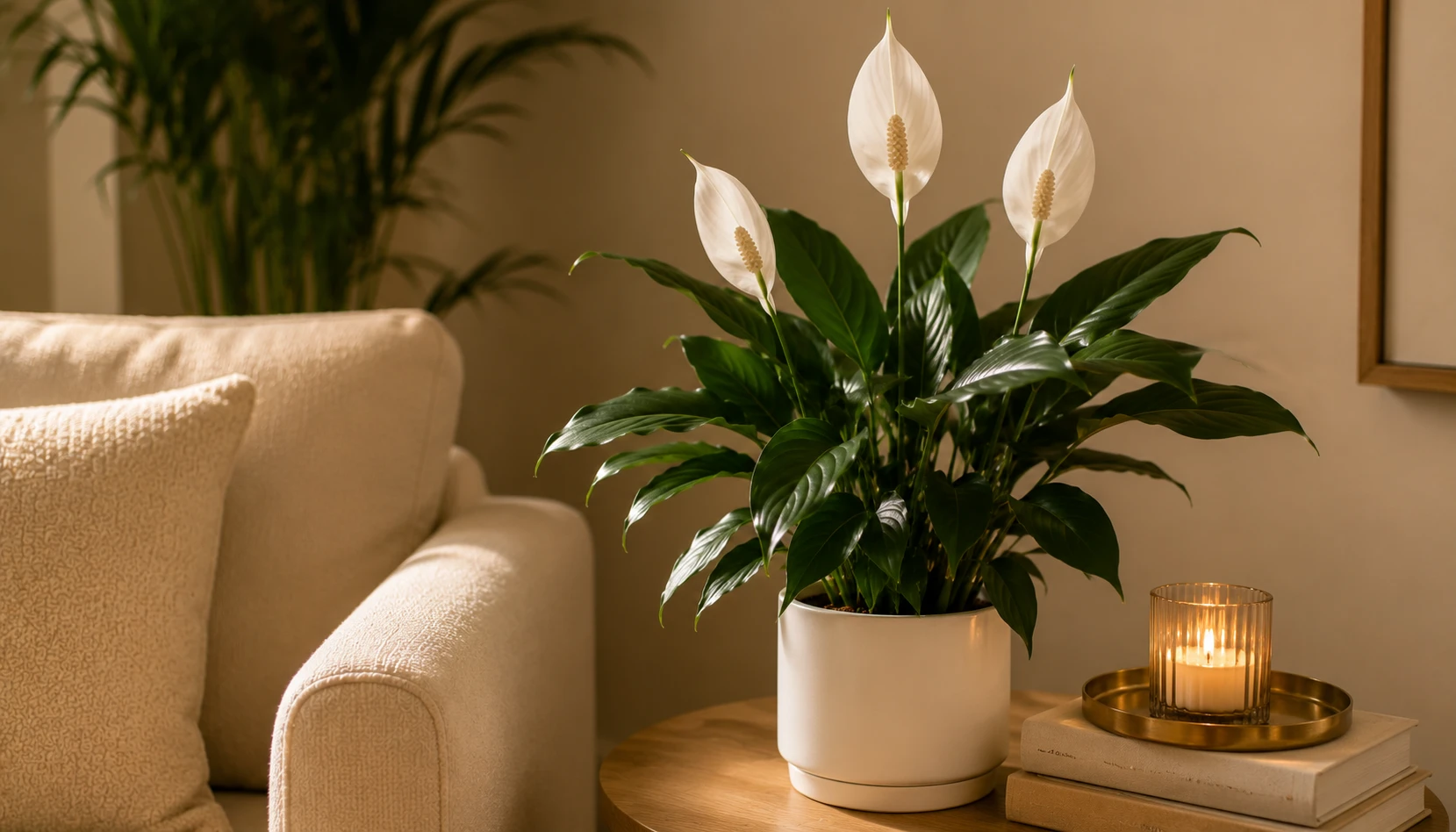
4. Peace Lily (Spathiphyllum) — Elegant and Easy
The peace lily stands out among houseplants thanks to its stunning ability to bloom indoors. Its graceful white flowers, known as spathes, emerge several times a year, beautifully set against lush, deep green leaves, making it a truly captivating addition to any home.
Light requirements: Thrives in medium to low indirect light. Keep it out of harsh direct sunlight, which can scorch its leaves. This plant is impressively tolerant of lower light conditions, making it perfect for less sunny spots.
Watering routine: Aim to water about once a week. When thirsty, the peace lily dramatically wilts—an unmistakable sign it’s time for a drink—and it perks right back up just a few hours after watering.
Ideal placement: Place it in a moderately bright corner, perhaps near a bookshelf or on a side table. It’s especially suited for smaller living rooms where oversized plants might feel overwhelming.
Styling suggestion: Pair your peace lily with a simple white or cream ceramic pot that echoes its elegant blooms. Avoid brightly colored containers that can draw attention away from its delicate flowers.
Why it’s a winner for 2026 living rooms: The blooming cycles add dynamic, seasonal interest, while the dark, glossy foliage offers a sophisticated contrast against lighter décor schemes.
Important caution: Despite its gentle name and graceful look, peace lilies are toxic to both pets and humans if ingested. Their flowers contain calcium oxalate crystals, so be sure to keep them out of reach of curious animals and children.
Looking for truly pet-friendly alternatives? Boston ferns, Calatheas, parlor palms, and Areca palms all bring lush greenery to your living space without the risk.
The Trailing Beauty
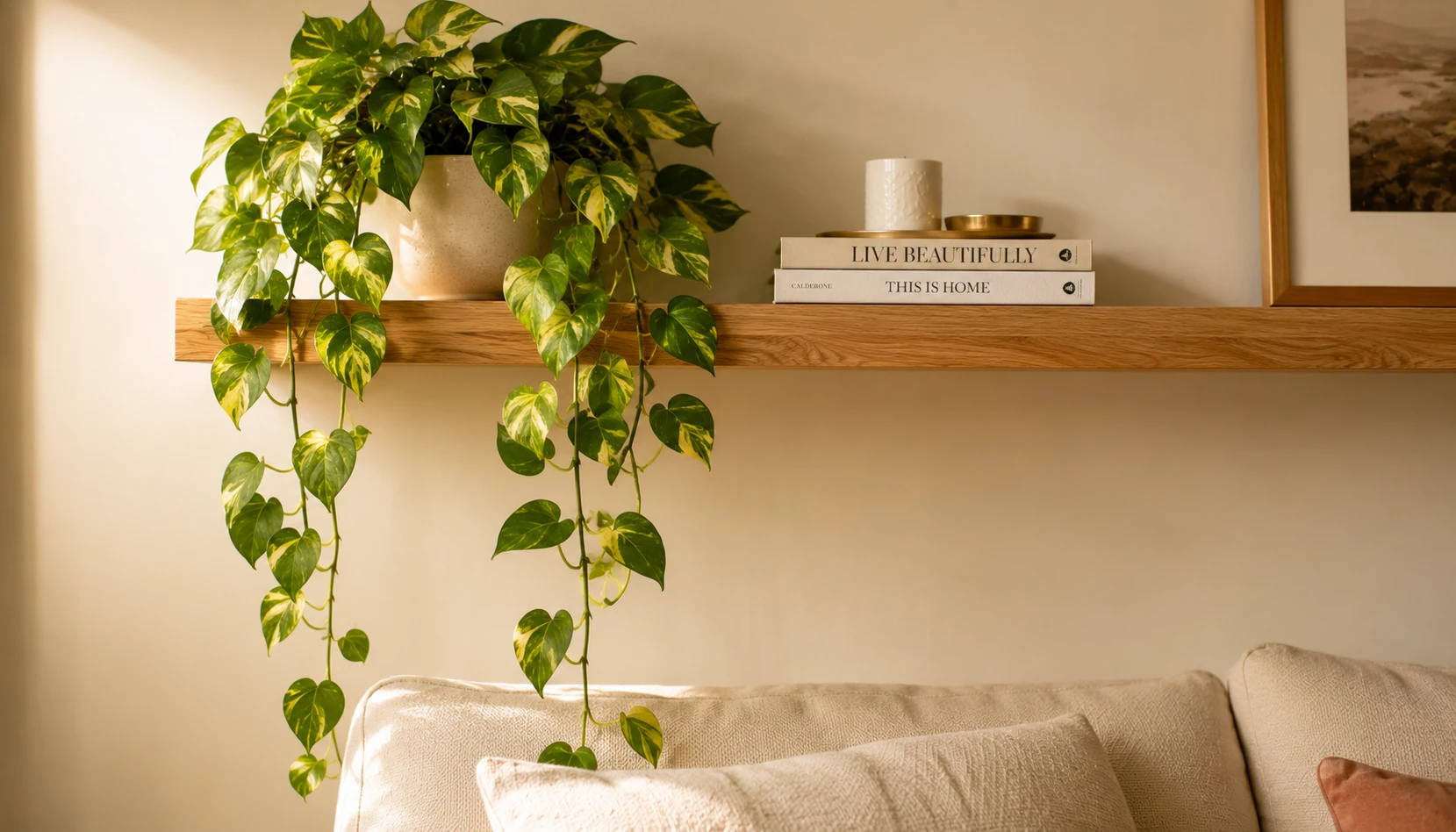
5. Pothos (Epipremnum) — The Trailing Champion
Looking to add a splash of graceful greenery that effortlessly spills and winds around your room? Meet the pothos—a true trailing superstar. Its lush vines extend with minimal fuss, cascading beautifully from shelves, baskets, or high spots, bringing a touch of natural elegance wherever it goes.
Light requirements: Thrives in bright, indirect light but is famously forgiving, even flourishing in low-light nooks where many plants would struggle.
Watering routine: A weekly drink usually does the trick. If the leaves start to droop, it’s your plant’s gentle way of asking for a little hydration.
Ideal spots for your living room: Floating shelves are perfect for letting those vines tumble down freely. Try placing it atop tall bookcases or suspending it in a hanging basket near a window. Positioning it next to a mirror adds an enchanting leafy frame effect.
Styling advice: Resist the urge to prune too soon. Allowing the vines to reach lengths of 3 to 4 feet creates a stunning, flowing look. You can gently guide the vines along the edges of shelves or trailing down walls for a dynamic, natural vibe.
Why it’s a winner in 2026 interiors: The soft, trailing silhouette helps balance the sharp, clean lines of modern design, adding warmth and organic softness that truly elevates your space.
Varieties worth exploring: Golden Pothos with its sunny yellow accents, Marble Queen’s elegant white variegation, the lively Neon Pothos in bright lime, and the cool-toned Cebu Blue—all share the same easy-going care and vibrant charm.
A quick caution: These beauties are toxic to pets if nibbled on, so it’s best to hang or position them out of paw’s reach for a happy, safe home.
If you love the bold presence of a fiddle leaf fig but crave something a bit more low-maintenance, meet the rubber plant. With its glossy, oversized leaves and striking, architectural shape, it offers drama without fuss—making it a favorite for stylish interiors.
Light requirements: Thriving in bright, indirect light or even moderate lighting, this plant is much more adaptable than its fiddle leaf cousin.
Watering routine: Typically, a weekly drink is enough. Just make sure the top couple of inches of soil feel dry before you water again.
Ideal spot in your living room: Position it tall and proud in a sunny corner or near a window where soft, filtered light streams in. Placing it beside your sofa makes a bold, natural statement piece.
Styling suggestion: Those thick, shiny leaves are a dream for photos! To emphasize its sleek look, try a matte black planter for a modern edge, or warm things up with a classic terracotta pot.
Why it’s a showstopper for 2026 homes: Its sculptural form adds instant architectural interest, and it demands far less attention than fiddle leaf figs. Plus, varieties like Burgundy and Tineke bring beautiful hues that enrich your space even more.
Varieties worth exploring: The traditional Robusta with rich green leaves, the dramatic Burgundy sporting deep red tones, and the eye-catching Tineke, with its creamy variegated foliage.
Growth considerations: Rubber plants can grow impressively tall—up to 8 feet indoors—so keep your ceiling height in mind before making your pick.
A quick caution: This beauty is mildly toxic to pets, and its sap may irritate your skin. Always wear gloves when pruning to stay safe.
The Easiest Plant
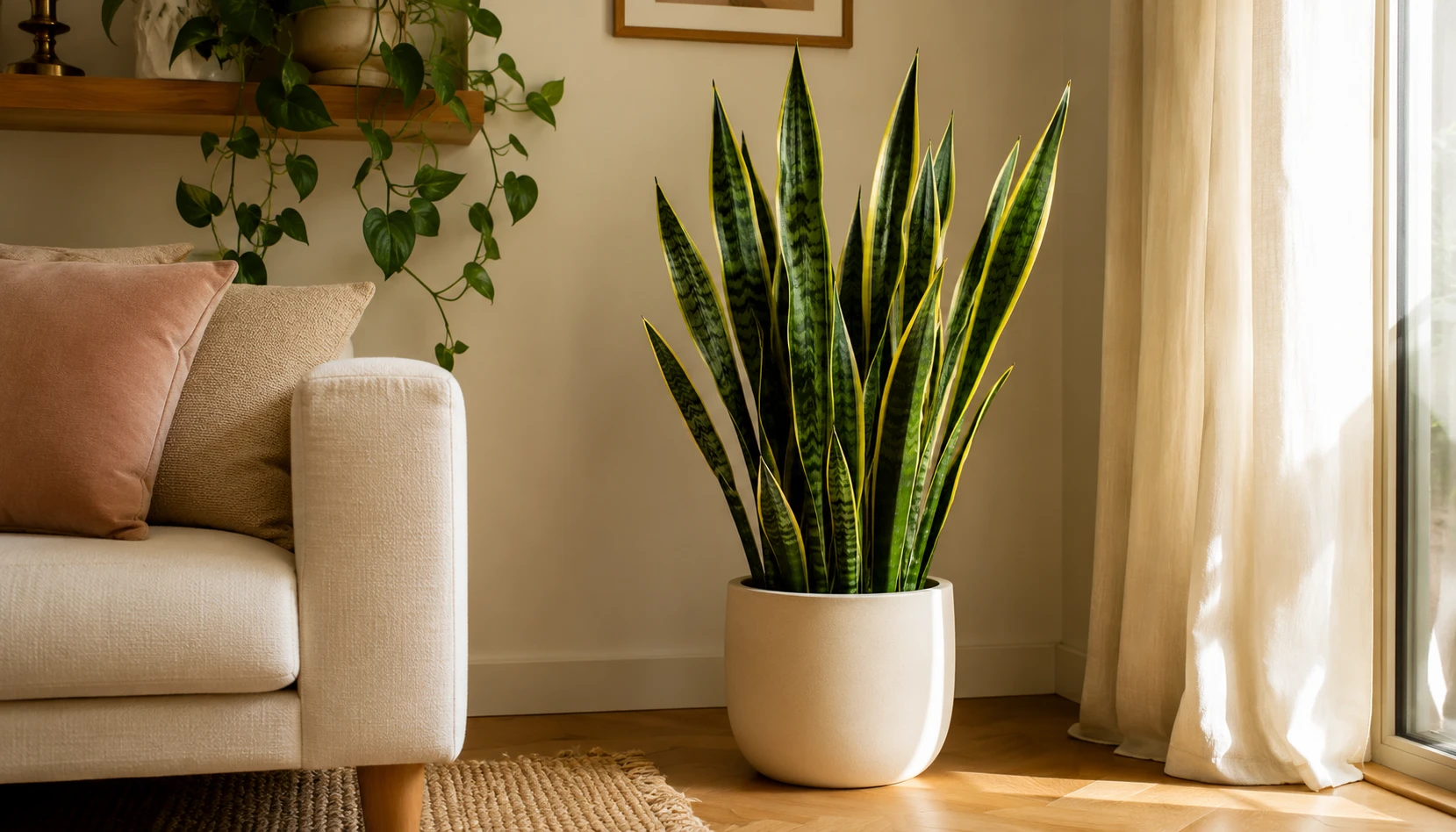
7. Snake Plant (Sansevieria) — The Beginner Hero
If you’ve struggled to keep houseplants alive, the snake plant is your new best friend. Renowned for its resilience, this green warrior thrives on minimal attention and can shrug off conditions that would send most plants packing. Whether you’re forgetful about watering or limited on sunlight, the snake plant has your back.
Light requirements: Almost anywhere. While it flourishes in bright, indirect light, it’s famously adaptable, tolerating dim nooks where other plants would fade away.
Watering schedule: Water sparingly—about every two to three weeks in warmer months, stretching to once every four to six weeks when it’s cooler. Overwatering is the number one culprit that harms snake plants, so it’s safer to underwater than to flood.
Ideal spot in your living room: Position it in a tall, somewhat empty corner that needs a burst of height. It also shines beside a couch or next to a sideboard, where its upright, sword-like foliage can really make a statement.
Styling advice: Pair your snake plant with a matte-finish ceramic pot in neutral tones like cream, terracotta, or black. The plant’s sleek, architectural leaves look fantastic with minimalist, modern planters. Avoid overly small pots, as they can make the plant prone to tipping—choose one just a touch bigger than the root ball.
Why it fits perfectly into 2026 living rooms: Its striking vertical silhouette enhances contemporary interiors, lending an artful, curated vibe rather than just greenery for greenery’s sake.
A quick caution: Snake plants are mildly toxic to pets if ingested in large amounts. If you have curious cats or dogs, keep your plant safely out of reach.
The Statement Maker
8. Fiddle Leaf Fig (Ficus Lyrata) — The Pinterest Star
If there’s one plant that has become synonymous with chic interiors over the last few years, it’s the fiddle leaf fig. With its broad, glossy leaves shaped like tiny violins and a sturdy, tree-like stature, it’s truly the signature piece for modern living spaces.
Light requirements: Loves bright, indirect sunlight. Avoid placing it in harsh direct rays that can scorch its foliage, and steer clear of dim corners, which often lead to leaf drop. A spot a few feet away from a south- or west-facing window strikes the perfect balance.
Watering routine: Usually once a week works well, but always check that the top inch of soil has dried out before giving it a drink. Irregular watering can cause those beautiful leaves to fall off, so consistency is key.
Ideal placement in your living room: Position it in a sunny nook that helps ground the space—whether that’s next to a fireplace, near an expansive window, or tucked into an empty corner. Its tall frame adds much-needed vertical drama, especially in rooms with soaring ceilings.
Styling advice: Let this plant’s natural flair shine by opting for a clean, matte ceramic pot in neutral shades like cream or terracotta. Skip the busy, patterned containers—they can distract from the fiddle leaf fig’s impressive foliage. This plant is the star of the show.
Why it’s a must-have for 2026 interiors: Those large, sculptural leaves give your room a powerful focal point, perfectly balancing sofas, shelves, and other furniture pieces. A 5-6 foot fiddle leaf fig effortlessly fills awkward spaces, turning them into intentional design moments.
A word of caution: These plants are notorious for their dislike of relocation. Pick a spot you love and stick with it—constant moving or weekly rotations will stress the plant out. Also, if you have pets, be mindful that fiddle leaf figs are toxic if chewed.
Smaller Spaces
9. Best Plants for Small Living Rooms
Even the coziest living rooms can thrive with a touch of greenery—it’s all about picking the right plants and using your space thoughtfully so you don’t feel cramped.
Top picks for small living spaces:
– Pothos in a hanging planter: This plant cleverly uses the air above instead of valuable floor space. Its trailing vines create a lush, layered look that adds dimension without crowding your room.
– Petite snake plant on a shelf: Standing tall but slim, a small snake plant (around 12 inches) placed on a floating shelf brings a sculptural vibe to your walls without demanding extra room.
– Trailing pothos atop a bookcase: Merging storage with style, the dangling vines soften the lines of furniture, making your bookcase feel more inviting and less rigid.
– Compact ZZ plant in a corner: Perfect for dimmer spots often found in apartments, the ZZ plant stays neat and manageable while thriving in lower light.
– Small peace lily on a side table: This charming bloomer adds delicate flair and freshness, all while fitting neatly on a side surface without taking up floor real estate.
Helpful hints for green decorating in tight spaces:
– Choose one standout plant rather than a cluster of smaller ones to keep things clean and focused.
– Think vertically—using shelves or hanging pots frees up your floors for movement.
– Let trailing plants do the work of adding visual interest without encroaching on walkways.
– Coordinate your pot colors with your room’s palette for a harmonious look.
– Practice restraint—overloading a tiny room with plants can feel chaotic, but a curated approach elevates your design.
Make It Beautiful
10. How to Style Houseplants in Your Living Room
Houseplants can transform your living room from ordinary to effortlessly stylish, but it’s all about how you arrange them. A thoughtfully curated plant display can bring harmony and life to your space, while a haphazard setup might feel cluttered and overwhelming. Here’s how to master the art of living room plant styling:
Play with varying heights by mixing a tall floor-standing plant, a mid-sized tabletop favorite, and a trailing vine cascading from a shelf. This layering adds dimension and keeps your arrangement visually engaging.
Embrace the magic of threes. Grouping plants in sets of three with different shapes and sizes feels balanced and intentional, whereas pairs can come off as rigid or overly symmetrical.
Stick to a cohesive pot color scheme to unify your collection—think warm creams paired with terracotta, classic black combined with natural tones, or a similar limited palette. Avoid mismatched pots that compete for attention and create chaos.
Match the size of the pot to the plant it houses. A tiny plant lost in an oversized pot or a large plant squeezed into a small container disrupts balance. Aim for pots just slightly bigger than the plant’s root ball for a polished look.
Opt for natural materials like terracotta, ceramic, woven baskets, or wood to complement the organic vibe of your plants. Whenever possible, steer clear of plastic for a more elevated feel.
Position your plants near windows or other light sources to keep them healthy and vibrant. Bonus tip: placing a plant under a strategically placed lamp adds an inviting glow and highlights your greenery beautifully after dark.
Don’t be afraid to edit your plant lineup. A selection of three well-chosen, artfully arranged plants will always trump a crowded, cluttered collection. Less truly is more when it comes to plant styling.
Leave enough breathing room around each plant. Crowding them together can create visual confusion, while space allows each one to shine individually.
Finally, consider adjusting your plants’ spots throughout the year. Seasonal shifts in natural light mean that moving your greenery can encourage better growth and keep your living room looking fresh all year round.
Don’t Do This
11. Common Living Room Plant Mistakes to Avoid
Before you bring lush greenery into your living space, it’s helpful to be aware of the pitfalls that can hold your plants back from thriving. Many common mistakes can unintentionally stress your plants or stunt their growth — but a little know-how goes a long way toward keeping your indoor jungle happy and healthy.
Mistake 1: Overwatering. This is hands down the number one way to send houseplants into decline. More often than not, drowning roots cause more damage than a little dryness. Always test the soil moisture before reaching for the watering can.
Mistake 2: Ignoring light needs. Placing a sun-loving plant in a dim nook is a recipe for slow decline. It’s essential to match your plant’s light preferences to the actual brightness of its new home for long-term success.
Mistake 3: Prioritizing aesthetics over care. Sure, a fiddle leaf fig is stunning, but it demands commitment. If you have a busy schedule, travel frequently, or tend to forget watering, opt for resilient options like snake plants or ZZ plants that forgive a little neglect.
Mistake 4: Using pots without drainage. Gorgeous pots without drainage holes might look great, but they trap excess water, which can suffocate roots. Always use containers with drainage holes or nest a smaller pot inside a decorative one to keep your plants safe.
Mistake 5: Constantly relocating plants. Plants settle into their spots over time, and frequent moves can stress them out. Find the ideal location and give your leafy friend space to acclimate and flourish.
Mistake 6: Overlooking humidity. Many indoor plants originate from humid jungles, yet our homes, especially in winter, tend to be dry. Boost humidity by grouping plants together, misting leaves regularly, or investing in a small humidifier to replicate their natural environment.
Mistake 7: Choosing pots that are too big. Repotting too early into oversized containers can lead to soggy soil and root rot. Increase pot size gradually as your plant grows to keep moisture levels balanced.
Mistake 8: Skipping regular pest inspections. Tiny invaders like spider mites and mealybugs love to sneak onto indoor plants. Make a habit of checking your leaves regularly to catch infestations early before they spread.
Mistake 9: Mixing too many plant styles at once. While variety is exciting, cluttering one corner with an eclectic mix of five different plants can create visual confusion. Group plants with similar shapes or textures together for a cohesive, stylish display.
Mistake 10: Diving in too fast. Instead of buying a handful of plants all at once, start with one and get to know its needs and quirks. This slow and steady approach builds your confidence and helps you develop a green thumb without feeling overwhelmed.
Final Thoughts
Starting with just one houseplant can be the first step toward creating a living room that feels truly alive and inviting. As you nurture your new green companion, you’ll discover the simple joy and calm it brings, inspiring you to gradually build a collection that reflects your personality and style. Each plant adds its own unique touch, transforming your space into a vibrant sanctuary where nature and comfort coexist beautifully.
Remember, cultivating a plant family is a journey—one filled with growth, patience, and plenty of rewards. So take a deep breath, pick the plant that speaks to you, and watch as your living room blossoms into a haven of freshness and tranquility. With every leaf and stem, you’re not just decorating a room—you’re creating a home filled with life and possibility.
There’s something about weekday lunches that can either feel like a dreaded chore or a quiet bright spot in your day—depending on how you approach it. If you’ve ever found yourself staring blankly into the fridge at noon, juggling last night’s leftovers or grabbing takeout just to survive until dinner, you’re not alone. When the workweek hits hard, the idea of assembling a satisfying, energizing meal in the middle of a busy day can quickly turn into more hassle than it’s worth. But here’s the truth I’ve learned through many a rushed lunch hour: meal prep doesn’t have to be complicated, and lunch doesn’t need to be boring or bland.
The secret is building bowls and plates from a few simple, reliable components that you can mix and match all week long. Think of it as your personal lunch blueprint: start with a base of whole grains like brown rice or quinoa, add a hearty protein—maybe roasted chickpeas, grilled chicken, or tofu—follow it with a colorful array of veggies for crunch and freshness, and then drizzle on a sauce or dressing to tie everything together with flavor and a little zest. This modular approach means you’re never stuck eating the same thing twice, and it makes grocery shopping and prepping feel way more manageable. You set yourself up with versatile ingredients, then let your cravings guide you as the week unfolds.
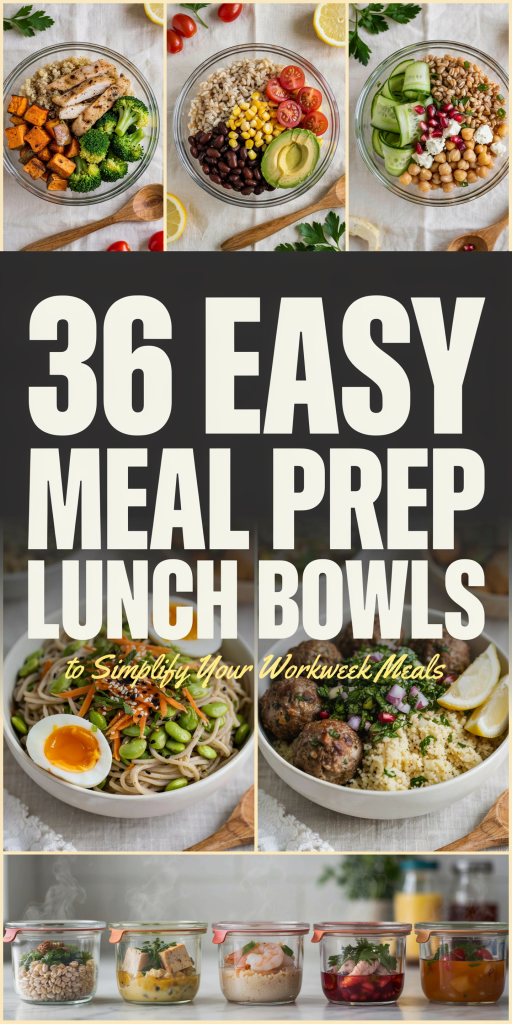
I speak from experience when I say this strategy not only saves time but also keeps you excited to eat lunch instead of just powering through it. There’s a comforting rhythm to knowing you have tasty meals ready in the fridge, garnished with your favorite sauces and fresh herbs, all waiting to fuel your afternoon. Whether you’re a seasoned meal prepper or just stepping into the world of planning ahead, these 36 lunch bowls and plates are designed to make your workweek easier, healthier, and a whole lot more enjoyable. Let’s dive in!
1. Mediterranean Tuna Bowl
This vibrant Mediterranean Tuna Bowl is a perfect no-cook meal prep winner that stays fresh for up to four days. Combining pantry staples like canned tuna with bright, fresh ingredients, it’s an effortless way to enjoy balanced, flavorful lunches all week long.
Key Design Elements
Cook 1 cup of dry orzo in salted boiling water for about 8-9 minutes until al dente, then drain and rinse under cold water to stop the cooking.
Drain three cans of tuna, reserving the oil to use as a flavorful dressing base.
Layer each bowl starting with 1 cup of cooled orzo, then add ½ cup drained chickpeas, flaked tuna, diced cucumber, halved cherry tomatoes, thinly sliced red onion, kalamata olives, crumbled feta, capers, and fresh parsley.
Drizzle with 2 tablespoons of the reserved tuna oil and finish with a generous squeeze of lemon juice.
Season with salt and freshly ground black pepper to taste just before serving.
Pro Tip: For an even richer protein boost, swap canned tuna with canned salmon—the flavors pair beautifully with the Mediterranean ingredients and add extra omega-3s.
2. Chili Lime Chicken Plate
This vibrant plate is a meal prep superstar, combining zesty chili-lime grilled chicken with a refreshing mix of colorful, crisp vegetables. It’s packed with flavor and texture, making it a satisfying and wholesome option to power you through the week.
Key Design Elements
Whisk together olive oil, lime juice, chili powder, cumin, garlic, and salt to create a bold marinade.
Marinate chicken thighs for 15 minutes before cooking to maximize flavor.
Pan-sear or grill the chicken for 5-6 minutes per side until fully cooked, then slice.
Build your bowl with cilantro-lime rice, black beans, corn, diced bell peppers, cherry tomatoes, and fresh avocado added just before serving.
Serve with a tangy lime crema made from sour cream, lime juice, and chopped cilantro for a creamy finish.
Pro Tip: For a meat swap, try skirt or flank steak marinated the same way and seared for 3-4 minutes per side to enjoy a juicy, medium-rare alternative.
3. Sesame-Glazed Tofu Bowl
This sesame-glazed tofu bowl is a standout meal prep option thanks to its hearty, protein-packed baked tofu that maintains a satisfying texture throughout the week. Paired with fresh veggies and fragrant rice, it delivers balanced flavors and vibrant colors that keep lunch exciting for up to four days.
Key Design Elements
Press extra firm tofu for 20 minutes to remove excess moisture before cubing.
Coat tofu cubes with a mixture of oil, cornstarch, and salt to achieve a crispy finish.
Bake tofu at 425°F for 25-30 minutes, flipping halfway for even browning.
Whisk together soy sauce, brown sugar, rice vinegar, sesame oil, and fresh ginger to create a rich glaze.
Assemble bowls with a base of cooked rice, topped with tofu, shredded carrots, sliced cucumbers, edamame, and fresh cilantro; finish with sriracha and a sprinkle of sesame seeds.
Pro Tip: For an extra crispy texture, try air frying the tofu at 400°F for 14-16 minutes instead of baking—it’s faster and gives a delightfully crunchy crust.
4. Chicken Caesar Plate Meal Prep
This Chicken Caesar Plate is a perfect balance of protein and fresh greens, making it an ideal grab-and-go lunch that stays crisp and satisfying. With careful assembly and separate dressing storage, this meal prep option ensures every bite tastes just like it’s freshly made.
Key Design Elements
Marinate 1½ lbs chicken breasts with olive oil, salt, pepper, and garlic powder before grilling or pan-searing.
Cook chicken over medium-high heat for 6-7 minutes per side, until it reaches 165°F, then slice while still warm.
Use chopped romaine hearts instead of torn leaves to maintain crispness throughout the week.
Layer sliced chicken on a bed of romaine, then top with shredded Parmesan, crunchy croutons, and halved cherry tomatoes.
Always pack Caesar dressing separately and add just before eating to keep the salad fresh and crisp.
Pro Tip: For a crispy twist, quickly sear the sliced chicken in a hot skillet for 30 seconds on each side right before serving to add a deliciously caramelized texture.
5. Creamy Dijon Chicken Plate
This creamy Dijon chicken plate is a perfect meal prep choice, offering rich flavor wrapped in a comforting, easy-to-make dish. The tender chicken in a luscious mustard sauce paired with fluffy mashed potatoes makes for a satisfying lunch that feels just like dinner.
Key Design Elements
Sear chicken pieces seasoned with salt, pepper, and thyme until golden before simmering.
Sauté minced shallot to add a subtle sweetness to the sauce base.
Combine chicken broth, Dijon mustard, and heavy cream to create a creamy, tangy sauce.
Simmer the sauce until it thickens and coats the chicken beautifully.
Serve over a generous scoop of mashed potatoes with roasted green beans or asparagus and a sprinkle of fresh herbs.
Pro Tip: For a leaner option, swap boneless chicken thighs for breasts—just reduce the cooking time by about three minutes to prevent dryness.
6. Salmon Sushi Bowl
This bowl captures the fresh, vibrant flavors of sushi without the fuss of rolling. It’s a perfect meal prep option that balances protein, veggies, and creamy avocado for a satisfying and colorful lunch or dinner ready to go.
Key Design Elements
Preheat oven to 400°F and place salmon fillets on a baking sheet.
Brush salmon with soy sauce and sesame oil, then bake until just cooked, about 12-14 minutes.
Flake cooled salmon and layer over sushi or short-grain rice.
Top the bowl with edamame, shredded carrots, cucumber slices, pickled ginger, and nori strips.
Add creamy avocado slices right before serving to keep them fresh and vibrant.
Pro Tip: For a quicker and more budget-friendly option, swap fresh salmon with canned salmon—just drain and add directly to your bowl with all the other toppings.
7. Italian Antipasto Bowl
This Italian Antipasto Bowl is perfect for meal prepping because it brings together vibrant, flavor-packed ingredients with zero cooking required. It’s a fresh, no-fuss way to enjoy all the classic antipasto favorites in a portable, nutritious bowl.
Key Design Elements
Start with a base of cooked orzo or a bed of peppery arugula, dividing 4 cups between bowls.
Layer in ribbons of salami or prosciutto alongside fresh mozzarella balls or cubed provolone for creamy, savory bites.
Add marinated artichoke hearts, marinated mushrooms, roasted red pepper strips, kalamata olives, halved cherry tomatoes, pepperoncini, and fresh basil leaves for bold, tangy flavors.
Drizzle each bowl with high-quality olive oil before sealing and pack a small container of balsamic vinaigrette to add just before serving.
Store salami and cheese for up to 4 days, and keep the marinated vegetables fresh for up to one week.
Pro Tip: For a heartier meal, toss in a hard-boiled egg or a scoop of creamy white-bean dip—both add protein and elevate this bowl beyond snack status.
8. Miso Ginger Chicken Bowl
This Miso Ginger Chicken Bowl is a meal prep superstar, delivering bold, savory flavors with minimal effort. The rich miso butter glaze brings restaurant-quality depth to tender roasted chicken thighs, paired perfectly with fluffy rice and crisp stir-fried greens for a balanced, satisfying lunch or dinner.
Key Design Elements
Whisk together white miso paste, soy sauce, sake or rice vinegar, brown sugar, freshly grated ginger, and melted butter to create a flavorful marinade.
Marinate boneless chicken thighs for 20 minutes to infuse deep umami notes before roasting at 425°F for about 22-25 minutes until caramelized and cooked through.
Slice the chicken and layer over a base of steamed rice along with sautéed bok choy or broccoli for a nutritious veggie boost.
Garnish with sliced scallions and toasted sesame seeds for a fresh, crunchy finish.
Include a soft-boiled egg for extra richness, plus a side of the reserved miso-butter glaze for drizzling.
Pro Tip: For a delicious twist, swap the chicken thighs for salmon fillets—the miso glaze caramelizes beautifully on salmon when roasted at 400°F for about 12 minutes, creating a tender, flavorful alternative.
9. Buffalo Chicken Bowl
This Buffalo Chicken Bowl is a perfect meal prep champion, combining tender, spicy shredded chicken with a vibrant mix of fresh veggies and creamy cheese. It holds up well over time, making it ideal for midday meals that never feel soggy or dull.
Key Design Elements
Slow-cook chicken thighs with buffalo sauce, chicken broth, and butter for juicy, flavorful meat.
Shred the chicken and toss it back into the sauce to lock in that signature spicy tang.
Layer bowls with a base of steamed rice or crisp romaine lettuce for versatility.
Add shredded carrots, sliced celery, cherry tomatoes, and tangy pickled red onions for crunch and brightness.
Finish with crumbled blue cheese or shredded cheddar, plus a side of ranch or blue cheese dressing for dipping.
Pro Tip: For a quicker prep, grab a store-bought rotisserie chicken, shred it, and toss in buffalo sauce—this shortcut cuts down cooking time significantly without sacrificing flavor.
10. Vibrant Roasted Beet Bowl
This roasted beet bowl is a vibrant, nutrient-packed meal prep option that combines earthy roasted beets with creamy goat cheese and hearty grains for a balanced and satisfying vegetarian lunch or dinner. Its colorful ingredients and bright citrus dressing make every bite refreshing and enjoyable, perfect for brightening up your workweek meals.
Key Design Elements
Wrap whole beets in foil and roast at 400°F for about 50-60 minutes until tender when pierced with a knife.
After roasting, let beets cool, then peel and dice them into bite-sized cubes.
Simmer 1 cup of farro or wheat berries in salted water for 25-30 minutes until tender, then drain well.
Assemble bowls with grains, roasted beets, crumbled goat cheese, fresh baby arugula, toasted walnuts, juicy orange slices, and a sprinkle of dried cranberries.
Prepare a citrus vinaigrette by whisking together olive oil, fresh orange juice, red wine vinegar, and a pinch of salt to drizzle over the bowl just before serving.
Pro Tip: To cut down on prep time, pick up pre-cooked vacuum-sealed beets from the grocery store; this saves nearly an hour of roasting without sacrificing flavor.
11. Harissa Roasted Veggie Bowl
This vibrant bowl packs a punch with its mix of hearty roasted veggies and the fiery kick of harissa, making it a standout choice for anyone looking to spice up their weekly meal prep. It’s perfectly balanced with protein-rich beans, fresh herbs, and a tangy harissa yogurt drizzle that keeps every bite exciting and satisfying.
Key Design Elements
Preheat your oven to 425°F (220°C) for perfectly caramelized veggies.
Toss cauliflower, sweet potatoes, red onion, carrots, and bell peppers in olive oil, harissa paste, and salt before spreading them out on sheet pans—avoid overcrowding for even roasting.
Roast the vegetables for 25-30 minutes, stirring halfway to ensure all sides get crispy and slightly charred.
Assemble bowls using roasted vegetables, a generous scoop of chickpeas or white beans, crumbled feta, a sprinkle of pomegranate seeds or dried cranberries, plus chopped fresh mint and parsley.
Serve over couscous or freekeh and add a dollop of homemade harissa yogurt made by mixing yogurt with harissa and a splash of lemon juice.
Pro Tip: If you prefer milder heat, swap the harissa paste for a gentler version or replace it altogether with smoked paprika and a pinch of cayenne pepper for a subtler spice level that’s still full of flavor.
12. Shrimp Fried Rice Bowl
This Shrimp Fried Rice Bowl is a meal prep superstar that tastes even better as it marinates overnight. Using chilled leftover rice and succulent shrimp, it offers a quick, satisfying, and protein-packed lunch or dinner that reheats beautifully without losing flavor.
Key Design Elements
Start by cooking shrimp seasoned with salt and pepper over high heat until just pink and curled.
Use cold, day-old rice for the best texture—press it into the pan before stirring to develop a slight crisp.
Enhance the rice with sesame oil, soy sauce, and a mix of peas and carrots for color and nutrition.
Scramble eggs directly in the pan to incorporate them seamlessly into the fried rice.
Finish your bowl with fresh scallion slices and a sprinkle of toasted sesame seeds for crunch.
Pro Tip: For added variety and flavor, substitute the shrimp with a frozen seafood medley that includes mussels and calamari—just adjust cooking times accordingly to ensure everything is perfectly cooked.
13. Falafel Bowl
This vibrant falafel bowl is a perfect meal prep champion—ready in under 20 minutes and packed with Mediterranean flavors that hold up beautifully throughout the week. Combining crispy falafel, fluffy couscous, fresh veggies, and creamy dressing, it delivers a satisfying, balanced meal with minimal fuss.
Key Design Elements
Bake frozen falafel at 400°F for 15-18 minutes, turning once halfway through to ensure even crispiness.
Prepare couscous by pouring 1 cup of boiling broth over 1 cup couscous, cover, and let sit for 5 minutes before fluffing with a fork.
Assemble each bowl with about ¾ cup of couscous, 4 falafel pieces, diced cucumber, halved cherry tomatoes, thinly sliced red onion, crumbled feta cheese, and a sprinkle of chopped parsley.
Serve with a small side of tzatziki, tahini, or a creamy yogurt-cucumber dressing for added moisture and flavor.
Pro Tip: For a fresher taste and customizable texture, swap frozen falafel for a falafel mix that only requires water—this option takes a bit more prep time but yields a delicious, homemade flavor.
14. Coconut Curry Chicken Bowl
This vibrant coconut curry chicken bowl is a meal prep superstar — its rich flavors deepen over time, making leftovers even more delicious by day two. With tender chicken simmered in creamy coconut milk and fragrant spices, it’s a satisfying and versatile dish that stores well in both the fridge and freezer.
Key Design Elements
Start by sautéing chopped onion in oil until soft and translucent.
Stir in garlic, fresh ginger, and red curry paste, cooking briefly to release their aromas.
Pour in both full-fat and lite coconut milk for a balanced creaminess.
Add bite-sized chicken thighs along with fish sauce and brown sugar, then simmer until tender.
Finish by stirring in fresh baby spinach just before serving for a pop of color and nutrition.
Pro Tip: For a milder, slightly sweeter curry, swap out the red curry paste for yellow curry paste — it’s a great alternative if you want less heat but all the flavor.
15. Korean Beef Bowl
This Korean Beef Bowl is a meal prep superstar, delivering bold, savory flavors with minimal fuss. The rich, sweet soy and sesame glaze transforms simple ground beef into a crave-worthy protein that perfectly complements fluffy rice and crisp veggies. It’s a quick, satisfying option that keeps lunch exciting all week long.
Key Design Elements
Sauté ground beef until fully browned and drain excess fat for a leaner dish.
Add fresh ginger and garlic for an aromatic base that lifts the beef’s flavor.
Whisk together soy sauce, brown sugar, rice vinegar, sesame oil, and red pepper flakes to create a vibrant, sticky glaze.
Simmer the beef in the sauce until it thickens to a glossy coating.
Build your bowl with a rice base, topped with the glazed beef, crunchy shredded carrots, cucumber slices, scallions, sesame seeds, and a drizzle of sriracha for heat.
Pro Tip: Try swapping ground beef for thinly sliced flank steak marinated in the sauce for 15 minutes, then quickly seared in batches—this adds authentic bulgogi flair and a tender texture to your bowl.
16. Hearty Lentil Power Bowl
This lentil bowl is the perfect meal prep choice for anyone craving a balanced and nourishing dish that’ll stay fresh throughout the week. Combining tender lentils with caramelized roasted veggies and a zesty lemon-tahini dressing, it delivers vibrant flavors and hearty texture without any risk of sogginess.
Key Design Elements
Simmer brown or green lentils with a bay leaf and salt until tender but still holding their shape, about 22-25 minutes.
Roast chunks of sweet potato, onion, and broccoli at 425°F until golden and slightly crisp, around 25 minutes.
Assemble bowls with roughly 1 cup of cooked lentils, a generous portion of roasted vegetables, fresh baby spinach or arugula, toasted pumpkin seeds, and crumbled feta cheese.
Whisk together tahini, fresh lemon juice, grated garlic, and warm water to create a smooth, tangy dressing—serve on the side to keep everything fresh.
Store components separately when prepping for the week to maintain optimal texture and flavor.
Pro Tip: For a nuttier flavor and firmer bite, swap brown or green lentils for black beluga lentils, which hold their shape beautifully during cooking and add a sophisticated touch.
17. Peanut Noodle Bowl
This peanut noodle bowl is a meal prep champion thanks to its vibrant flavors that deepen beautifully over a few days. The chilled noodles soak up the creamy, tangy peanut sauce, making each bite more satisfying as time goes on—perfect for grab-and-go lunches or easy dinners.
Key Design Elements
Cook 8 oz of rice noodles or soba according to package directions (typically 3-5 minutes), then rinse under cold water to stop cooking and cool them down.
Whisk together peanut butter, soy sauce, rice vinegar, brown sugar, sesame oil, grated ginger, garlic, sriracha, and warm water until smooth to create a creamy sauce.
Toss half of the peanut sauce with the noodles to infuse flavor evenly before assembling bowls.
Add shredded carrots, thinly sliced cucumbers and bell peppers, scallions, chopped peanuts, and fresh cilantro for texture and freshness.
Reserve the remaining sauce in a separate container to drizzle over bowls when ready to eat.
Pro Tip: For a protein boost, stir in shredded rotisserie chicken or press and cube firm tofu before serving—both options absorb the sauce wonderfully while keeping the dish balanced.
18. Ramen Bowl
This vibrant ramen bowl is a perfect meal prep choice, combining comforting flavors with fresh, crisp toppings that stay delicious even after reheating. Its versatile nature makes it ideal for easy assembly and packing, delivering a satisfying and nourishing lunch that feels anything but mundane.
Key Design Elements
Cook 4 packs of ramen noodles in salted boiling water for 2-3 minutes until just tender, then rinse under cold water to halt cooking and drain well.
Toss the noodles with a drizzle of sesame oil to keep them from sticking together.
Layer each bowl with about 1¼ cups of noodles, shredded chicken or pork, a halved soft-boiled egg, sliced cucumber, shredded carrots, chopped scallions, and fresh greens like bok choy or spinach.
Sprinkle toasted sesame seeds and nori strips on top for added texture and flavor.
Prepare a warming broth by whisking together chicken or vegetable stock with soy sauce, miso paste, and a touch of sesame oil; pack separately and heat before serving.
Pro Tip: For a heartier texture, swap out the ramen noodles for udon or soba noodles—both offer a chewier bite and bring a slightly different but equally satisfying experience to the bowl.
19. BBQ Chicken Plate
This BBQ Chicken Plate is the perfect blend of smoky, tangy pulled chicken paired with classic cookout sides, making it ideal for meal prep. It holds up beautifully whether served warm or cold, offering a satisfying and convenient option for any time of day.
Key Design Elements
Slow cook boneless chicken thighs with BBQ sauce and chicken broth for tender, flavorful pulled chicken.
After shredding, stir in extra BBQ sauce to enhance the sauciness and richness.
Plate alongside creamy mac and cheese or fluffy cornbread for a comforting base.
Add a tangy vinegar-based slaw and pickled red onions for bright, crisp contrast.
Serve with pickle chips and either hot sauce or a lemon wedge for an extra kick.
Pro Tip: To save time, use store-bought rotisserie chicken shredded and mixed with BBQ sauce—this shortcut cuts down cooking prep significantly without sacrificing flavor.
20. Turkey Marinara Pasta Bowl
This hearty turkey marinara bowl is a meal prep champion, offering rich flavor and lean protein that holds up beautifully for several days. Its versatile tomato basil sauce pairs effortlessly with a variety of bases, making it ideal for quick, satisfying lunches or dinners throughout the week.
Key Design Elements
Sauté ground turkey with diced onion until evenly browned for a flavorful base.
Enhance the sauce with fresh garlic, Italian seasoning, and a touch of tomato paste for depth.
Simmer crushed tomatoes with seasoning and fresh basil for a vibrant, aromatic finish.
Assemble bowls using spaghetti squash, zucchini noodles, or your favorite pasta for variety.
Top with grated Parmesan and a drizzle of olive oil to add richness and freshness.
Pro Tip: For a richer, more traditional flavor, swap ground turkey with 80/20 ground beef—just be sure to drain excess fat before incorporating the sauce to keep the dish balanced.
21. Lemon Herb Chicken Bowl
This lemon herb chicken bowl is a fantastic meal prep choice because the zesty marinade infuses the chicken with vibrant flavors that only deepen over time, while the grain base soaks up all the delicious juices. It’s a bright, satisfying meal that keeps well throughout the week without ever feeling repetitive.
Key Design Elements
Marinate boneless chicken thighs with olive oil, lemon zest and juice, garlic, oregano, salt, and pepper.
Roast the chicken at 425°F until it reaches an internal temperature of 165°F, then let it rest before slicing or shredding.
Use cooked rice or farro as a hearty, flavor-absorbing base for the bowl.
Add roasted broccoli or zucchini and fresh cherry tomatoes for color and texture.
Finish with a sprinkle of crumbled feta and a drizzle of extra lemon juice and olive oil for brightness.
Pro Tip: If you prefer leaner meat, swap boneless chicken breasts for thighs; just keep a close eye on cooking time to avoid drying out the breasts.
22. Buddha Bowl Bliss
This vibrant Buddha Bowl is a meal prep champion, combining wholesome grains, colorful roasted vegetables, and plant-based protein for a nourishing and satisfying dish. It’s a balanced blend of textures and flavors that stays fresh throughout the week, making it a convenient and delicious go-to for busy days.
Key Design Elements
Simmer 1 cup quinoa in 2 cups salted water until tender, about 15 minutes.
Roast chunks of sweet potato, broccoli florets, and halved Brussels sprouts at 425°F for 25 minutes until caramelized.
Layer each bowl with ¾ cup cooked quinoa, an ample serving of roasted veggies, chickpeas (rinsed and drained) or warm marinated tempeh, and fresh baby greens.
Top with crisp sliced cucumber, shredded carrot, and a sprinkle of pumpkin seeds or slivered almonds for crunch.
Add ripe avocado slices just before eating to keep them fresh and creamy.
Pro Tip: For an extra protein boost, swap out the chickpeas for a soft-boiled egg or a dollop of hummus—both add a satisfying richness and depth to the bowl.
23. Egg Roll Bowl
This bowl delivers all the delicious flavors of a classic egg roll without the extra carbs and mess of a wrapper. It’s a vibrant, savory meal that holds up well in the fridge for up to four days and reheats effortlessly for quick lunches or dinners.
Key Design Elements
Sauté ground pork or turkey until nicely browned for rich flavor.
Add fresh garlic and ginger to build aromatic depth.
Incorporate shredded cabbage, carrots, and scallions for texture and color.
Whisk together a tangy sauce of soy, rice vinegar, sesame oil, and a hint of sriracha to tie everything together.
Serve over rice and garnish with sesame seeds and extra scallions for crunch.
Pro Tip: For a leaner twist, swap pork for ground chicken or turkey and boost the flavor by adding an extra teaspoon of sesame oil to keep the dish moist and aromatic.
24. Chicken Shawarma Plate
This Chicken Shawarma Plate is a vibrant, flavor-packed Mediterranean meal prep option that stays fresh for up to four days. It combines tender, spiced chicken with fragrant turmeric rice and a tangy garlic yogurt sauce for a balanced, satisfying dish that’s perfect for grab-and-go lunches or easy dinners.
Key Design Elements
Create a marinade by whisking together olive oil, lemon juice, paprika, cumin, coriander, garlic powder, turmeric, and salt.
Toss boneless chicken thighs in the marinade and let them soak up the flavors for at least 15 minutes before roasting.
Roast the chicken at 425°F for about 22-25 minutes, then slice thinly for easy plating.
Cook turmeric-infused basmati rice with a bay leaf for aromatic, colorful grains.
Assemble with fresh veggies—cucumber, cherry tomatoes, red onion, and pickled turnips—plus chopped parsley and a creamy garlic yogurt sauce.
Pro Tip: For a leaner alternative, swap chicken thighs for boneless chicken breasts; reduce roasting time by 4-5 minutes and slice the chicken while it’s still warm to preserve its juiciness.
25. Turkey Taco Plate: Low-Carb Flavor Explosion
This turkey taco plate is a perfect low-carb meal prep option that stays fresh and delicious for up to four days. Loaded with vibrant toppings and seasoned meat, it delivers all the classic taco flavors without the carbs from a tortilla. It’s quick to make, easy to portion, and endlessly customizable for busy weeknights.
Key Design Elements
Cook 1.5 lbs ground turkey with one finely chopped small onion over medium-high heat until browned, about 7-8 minutes.
Stir in taco seasoning or a mix of 2 tsp chili powder, 1 tsp cumin, ½ tsp paprika, and salt, then add ⅔ cup water and simmer until the sauce thickens, around 4 minutes.
Assemble plates with a bed of shredded romaine lettuce topped with seasoned turkey, shredded cheese, sliced cherry tomatoes, black olives, pickled jalapeños, and guacamole or fresh avocado slices.
Serve with a side of salsa in a small cup for dipping or drizzling.
For meal prep, store components separately to keep toppings fresh and assemble just before eating.
Pro Tip: For a richer, more flavorful option, swap the turkey for 80/20 ground beef—just be sure to drain excess fat after cooking to keep the dish from becoming greasy.
26. Pineapple Fried Rice Bowl
This Pineapple Fried Rice Bowl strikes the perfect balance between sweet and savory, making it an unbeatable meal prep option that keeps lunch exciting all week long. Packed with juicy pineapple, tender ham, and crispy fried rice, it offers a delightful mix of textures and flavors that reheat beautifully.
Key Design Elements
Heat a tablespoon of oil in a large skillet over high heat before adding diced ham, chopped scallions, and pineapple chunks.
Stir-fry these ingredients until they develop a nice caramelized edge, about 4 minutes.
Push ingredients aside, add chilled leftover rice, and let it crisp undisturbed for 60-90 seconds before stirring.
Season with soy sauce, fish sauce, a splash of toasted sesame oil, and toss in frozen peas for color and sweetness.
Finish by scrambling eggs directly in the skillet, then assemble bowls topped with sesame seeds, sliced scallions, and a fresh lime wedge.
Pro Tip: Swap out the ham for shredded rotisserie chicken if you prefer a leaner protein with milder saltiness—this adds heartiness without overpowering the dish.
27. Breakfast Plate Remix
This versatile Breakfast Plate is a perfect choice for those days when you want the comfort of breakfast flavors with the convenience of a ready-to-go meal. It’s a balanced, protein-packed option that keeps mornings energized and taste buds satisfied any time of day.
Key Design Elements
Start by hard boiling 4 eggs: simmer for 9 minutes, then cool quickly in an ice bath to stop cooking and make peeling easier.
Bake 8 bacon slices at 400°F for about 18 minutes until they reach your preferred crispiness.
Arrange your plate with 2 halved eggs, a portion of bacon, fresh berries or sliced grapes for a natural sweetness.
Add a slice of sharp cheddar or Havarti cheese alongside a handful of cherry tomatoes and mixed nuts or seeds.
Include a small serving of granola, yogurt, or oatmeal in a separate container, plus crackers or a buttered toast slice wrapped to keep crisp.
Pro Tip: For an extra burst of flavor, swap out the usual sides with a small serving of pesto or hummus that doubles as a savory dip, pulling the whole plate together with a fresh twist.
28. Banh Mi Pork Bowl
This vibrant Banh Mi Pork Bowl is a meal prep champion, balancing savory, tangy, and fresh flavors that keep well throughout the week. Featuring tender Vietnamese-style ground pork paired with crisp pickled veggies and fluffy rice, it’s an easy way to enjoy bold, homemade flavors in a convenient bowl.
Key Design Elements
Sauté ground pork until browned, then infuse with garlic and ginger for aromatic depth.
Mix fish sauce, soy sauce, brown sugar, lime juice, and sriracha to create a glossy, flavorful glaze.
Quick-pickle daikon and carrots in a simple rice vinegar solution to add bright acidity.
Layer bowls with steamed rice, savory pork, pickled veggies, sliced cucumber, and fresh herbs like cilantro and mint.
Finish with chopped peanuts and a fresh lime wedge to squeeze just before eating for extra crunch and zing.
Pro Tip: For a lighter twist, swap ground pork with ground chicken or turkey and stir in a teaspoon of sesame oil to enhance the flavor profile.
29. Roasted Veggie Plate
This roasted veggie plate is the ultimate flexible meal prep option—combining hearty grains, vibrant roasted vegetables, and creamy sauces for a balanced, satisfying vegetarian bowl. It’s simple to customize, nutrient-packed, and keeps well for easy lunches or dinners throughout the week.
Key Design Elements
Preheat your oven to 425°F (220°C) for perfectly caramelized veggies.
Toss 6 cups of chopped vegetables like broccoli, cauliflower, bell peppers, sweet potatoes, red onions, and Brussels sprouts with olive oil, salt, pepper, and your choice of paprika or za’atar.
Arrange the veggies in a single layer on two baking sheets without overcrowding to ensure even roasting; stir them halfway through the cooking time.
Roast until the edges turn golden brown and crispy, enhancing the flavors.
Serve the veggies over 4 cups of cooked farro, quinoa, or wild rice, topped with hummus or white-bean dip, a sprinkle of pumpkin seeds or sliced almonds, and a drizzle of lemon-tahini sauce.
Pro Tip: For a quicker shortcut, substitute fresh vegetables with a frozen roasted vegetable mix—just roast a bit longer to achieve the same caramelized texture without the chopping.
30. Steak Bowl
This steak bowl is a meal prep superstar, combining hearty, protein-packed sliced steak with vibrant, fresh ingredients for a satisfying lunch or dinner that reheats beautifully. It’s quick to warm up and stays delicious for days, making it perfect for busy weeks.
Key Design Elements
Generously season 1.5 lbs of flank or sirloin steak with salt and garlic powder before cooking.
Sear the steak in a hot cast iron skillet with a tablespoon of oil, cooking each side 3-4 minutes for medium-rare (130°F internal temperature).
Let the steak rest for 10 minutes, then slice thinly against the grain for maximum tenderness.
Build your bowl starting with a base of 4 cups cooked farro or rice, then top with sliced steak, halved cherry tomatoes, peppery arugula, a soft-boiled egg (6 minutes), crumbled blue cheese, and thinly sliced red onion.
Finish with a side of chimichurri sauce made from olive oil, red wine vinegar, fresh parsley, garlic, red pepper flakes, and salt for a bright, herbaceous kick.
Pro Tip: For a premium upgrade, swap flank or sirloin for hanger steak, which offers rich flavor and tender texture that pairs beautifully with chimichurri.
31. Greek Meatball Bowl
This Greek Meatball Bowl is a flavorful and versatile meal prep winner, perfect for busy weeknights or grab-and-go lunches. The meatballs hold up well in the fridge for up to four days and pair beautifully with a variety of bases and fresh Mediterranean veggies for a balanced, satisfying bowl.
Key Design Elements
Mix ground beef or lamb with breadcrumbs, egg, feta, garlic, oregano, salt, and pepper for authentic flavor.
Shape into 24 evenly sized meatballs, about 1½ inches each, to ensure even cooking.
Bake at 400°F for 20-22 minutes until they reach an internal temperature of 160°F.
Build your bowls starting with 4 cups of cooked orzo or rice as the base.
Top with cucumbers, cherry tomatoes, red onion, feta, kalamata olives, and pepperoncinis, and serve with tzatziki on the side.
Pro Tip: For a lighter alternative, swap in ground chicken or turkey and add a tablespoon of olive oil to the mix to keep the meatballs juicy and tender.
32. Hearty Curry Chickpea Plate
This dish is a powerhouse of flavor and nutrition, making it a perfect choice for meal prepping. The rich curry melds beautifully with chickpeas and rice, and it only gets better as the flavors deepen in the fridge over a few days.
Key Design Elements
Sauté onions, garlic, and ginger to build a fragrant flavor base.
Use yellow curry paste and garam masala for authentic warmth and complexity.
Simmer chickpeas in coconut milk and tomatoes until thick and creamy.
Serve over fluffy basmati rice with fresh spinach for added greens.
Top with yogurt, lime, cilantro, and warm naan to round out the meal.
Pro Tip: For a creamy twist, swap chickpeas for red lentils; add ½ cup of dry lentils to the coconut milk and let simmer for 18-20 minutes to create a velvety dal alternative.
33. Caprese Chicken Bowl
This vibrant Caprese Chicken Bowl is a perfect blend of fresh, wholesome ingredients that hold up beautifully for up to three days, making it ideal for meal prepping. The juicy grilled chicken paired with juicy tomatoes, creamy mozzarella, and fragrant basil creates a satisfying, light meal that never feels like leftovers.
Key Design Elements
Season chicken breasts with olive oil, salt, pepper, and dried oregano before grilling.
Cook the chicken over medium-high heat for 6-7 minutes per side, until it reaches 165°F internally.
Let the chicken rest briefly, then slice it thinly for easy assembly.
Layer cooked orzo or fresh arugula as the base, then add chicken, halved cherry tomatoes, fresh mozzarella balls, and basil leaves.
Finish with a drizzle of olive oil and serve with a small side of balsamic vinegar to add just before eating for fresh brightness.
Pro Tip: For a richer twist, swap out mozzarella with torn burrata added just before serving—its creamy texture elevates the dish to a restaurant-quality meal.
34. Sausage Power Bowl
This hearty sausage bowl is a meal prep champion, combining savory browned sausage with caramelized roasted veggies and wholesome grains for a perfectly balanced lunch. Ready in just under 30 minutes, it’s a satisfying, no-fuss dish that keeps well and tastes even better reheated.
Key Design Elements
Preheat your oven to 425°F for optimal roasting.
Slice 1 lb of Italian sausage or kielbasa into rounds for even cooking.
Toss sausage, 4 cups diced bell peppers, 2 sliced onions, and 2 cups halved baby potatoes with olive oil, salt, pepper, and Italian seasoning on a sheet pan.
Roast for 25-28 minutes, stirring once halfway through to ensure everything browns evenly.
Assemble bowls over 4 cups of cooked farro or rice, then sprinkle with grated Parmesan and fresh parsley. Don’t forget a lemon wedge for a bright finishing touch at lunchtime.
Pro Tip: Swap pork sausage for chicken sausage to lighten the dish—flavors like apple-gouda or jalapeño-cheddar add a fun twist without extra effort.
35. Teriyaki Salmon and Meatball Power Bowl
This vibrant bowl combines the rich, sweet-savory flavors of teriyaki salmon with tender meatballs, making it an ideal meal prep choice that stays delicious even after reheating. Paired with a nutrient-packed grain base and fresh veggies, it offers a balanced and satisfying meal perfect for busy weekdays. Keep in mind salmon is best consumed within three days for optimal freshness.
Key Design Elements
Simmer soy sauce, brown sugar, rice vinegar, ginger, and cornstarch until thickened to create the teriyaki glaze.
Bake salmon at 400°F for 12-14 minutes, then coat it generously with the sauce.
Assemble bowls starting with steamed rice, top with salmon, cooked meatballs, and vibrant veggies like peas, carrots, and cucumber.
Sprinkle sesame seeds and sliced scallions for extra crunch and flavor.
Add creamy avocado slices just before serving to keep them fresh and prevent browning.
Pro Tip: For a crispier texture, try air frying the salmon at 400°F for 8-10 minutes instead of baking; it locks in moisture while giving the edges a nice crunch.
36. Pesto Chicken Pasta Bowl
This pesto chicken pasta bowl is the ultimate meal prep champion—packed with protein, vibrant flavors, and carbs that stay perfectly tender for days. It’s a no-fuss dish that easily travels from your kitchen to office lunch breaks, making weekday meals both satisfying and hassle-free.
Key Design Elements
Cook 1 pound of penne or fusilli in generously salted water for about 9 minutes until al dente.
Save 1 cup of pasta water before draining to help loosen and coat the sauce.
In a pan, sauté 1 pound of diced chicken breast seasoned with salt, pepper, and garlic powder until golden brown and cooked through, about 8 minutes.
Toss hot pasta with ½ cup pesto and some reserved pasta water until evenly coated.
Combine chicken with the pesto pasta and portion into containers, then top with halved cherry tomatoes, fresh baby spinach, and a sprinkle of grated Parmesan cheese.
Pro Tip: For a richer, creamier twist, stir together a jar of Alfredo sauce with a spoonful of pesto—this creates a luscious sauce that elevates the classic flavors while keeping the meal prep quick and easy.
Conclusion
Starting with just one or two of these meal prep bowls and plates can feel like a small, manageable step, but it’s amazing how quickly those simple choices add up to a week full of tasty, balanced lunches. Remember, meal prep isn’t about following recipes to the letter—it’s really about mastering a handful of components you love and learning how to mix and match them in ways that fit your mood and schedule. Once you get comfortable with a few staples, everything else falls into place naturally, giving you freedom instead of restriction.
So, grab a few favorite ingredients, set aside a little time this weekend, and see what happens. Whether you lean into bold spices or keep it simple and fresh, you’ll find that prepping ahead soon feels less like a chore and more like a way to nourish yourself with intention. Before you know it, you’ll have a fridge stocked with lunches that make busy days easier and more enjoyable—proof that good food, even on the go, can be a joyful, nourishing part of your everyday life.
Life gets hectic—between school drop-offs, work deadlines, sports practices, and that never-ending to-do list, finding time to cook a wholesome dinner can feel like an impossible puzzle. If you’re juggling a busy family schedule and constantly wondering how to get a nutritious meal on the table without stress or hours in the kitchen, you’re far from alone. What if dinner could be as simple as tossing a few ingredients into a dish, popping it in the oven, and letting it do all the work while you tackle the rest of your evening?
That’s exactly where dump-and-bake casseroles come in, and they’re about to become your new best friend. “Dump-and-bake” means exactly what it sounds like—layering or mixing your ingredients right in the baking dish, no fancy prep or messy pots required. These recipes aren’t just convenient; they’re a lifesaver that lets you spend less time cooking and more time enjoying the moments that matter. Get ready to discover a lineup of easy, family-approved casseroles that will fill your home with comforting aromas and make dinner a breeze, even on your busiest nights. Let’s dive in and make mealtime something to look forward to!
1. Marry Me Chicken Casserole
If you’re juggling a busy schedule but crave a dish that’s full of rich, comforting flavors, this Marry Me Chicken Casserole is here to save the day. With tender chicken simmered in a creamy garlic sauce and brightened by sun-dried tomatoes, it’s like a little Italian getaway right from your oven—without the extra steps or mess. Just pop it all in one dish and let the magic happen while you focus on everything else.
Key Design Elements
2 pounds boneless skinless chicken breasts cut into bite-sized pieces
1 cup heavy cream
1/2 cup chicken broth
1/2 cup sun-dried tomatoes in oil drained and chopped
3 cloves garlic minced
1 teaspoon Italian seasoning
1/2 teaspoon red pepper flakes
1/2 cup grated Parmesan cheese
Salt and black pepper to taste
Fresh basil for garnish
Pro Tip: For a perfectly creamy sauce, make sure to simmer the mixture gently and avoid boiling, which can cause the cream to curdle and the sauce to separate.
2. Chicken Pot Pie Casserole
Imagine all the warm, homey flavors of chicken pot pie without the hassle of rolling out dough or fussing over edges. This casserole layers tender rotisserie chicken and a mix of frozen veggies in a creamy sauce, then tops it with quick-and-easy biscuit pieces that turn golden and fluffy in the oven. It’s a comforting, no-fuss meal that’s perfect for busy nights when you want something satisfying without spending hours in the kitchen.
Key Design Elements
3 cups cooked rotisserie chicken shredded
1 bag 16 oz frozen mixed vegetables (peas, carrots, corn, green beans)
2 cans 10.5 oz each cream of chicken soup
1 cup chicken broth
1 cup sour cream
1 tsp garlic powder
1 tsp dried thyme
1/2 tsp black pepper
1 tube 16 oz refrigerated biscuit dough
Pro Tip: For a crispier crust, brush the top of the pie with a beaten egg before baking, and make sure your filling is not too watery to prevent sogginess.
3. Rosemary Chicken and Potatoes
When time is tight but you still want a meal that feels special, this casserole has your back. With tender potatoes crisping up alongside fragrant rosemary, it’s like a little kitchen magic happens while you go about your day. Best of all, this one-pan wonder delivers a satisfying, all-in-one dinner without the fuss—just pop it in the oven and relax.
Key Design Elements
2 pounds boneless skinless chicken thighs cut into bite-sized pieces
2 pounds baby potatoes halved
3 tablespoons olive oil
2 tablespoons fresh rosemary chopped
4 cloves garlic minced
1 teaspoon salt
1/2 teaspoon black pepper
1/2 teaspoon paprika
Pro Tip: For even cooking, cut the potatoes into similar-sized pieces and toss them with a little oil and rosemary before adding the chicken, ensuring everything crisps up beautifully in the oven.
4. Frozen Ravioli Bake
When dinner feels like a race against the clock, this ravioli casserole steps in as your effortless hero. Toss frozen ravioli right into a rich, saucy bake, and let the oven handle the hard work while you catch a breather. The pasta soaks up all those cozy Italian flavors, coming out tender and irresistible—just be sure your marinara is nice and saucy to give it the perfect finish.
Key Design Elements
1 bag 25 oz frozen cheese ravioli
1 jar 24 oz marinara sauce
1 can 14.5 oz diced tomatoes with Italian seasoning
2 cups shredded mozzarella cheese divided
1/2 cup grated Parmesan cheese
1 tsp garlic powder
1 tsp dried Italian seasoning
Fresh basil for garnish optional
Pro Tip: Parboil the frozen ravioli for 2-3 minutes before baking to ensure they cook evenly and prevent the bake from becoming watery.
5. Salmon Sheet Pan Supper
Weeknight dinners don’t have to be complicated, and this one-pan salmon and veggie casserole proves it. Everything cooks together in one dish, making cleanup a breeze while the salmon turns out tender and full of flavor. It’s a colorful, wholesome meal that feels special but comes together without any fuss—perfect for busy evenings when you want something tasty and satisfying fast.
Key Design Elements
4 6-ounce salmon fillets
1 pound baby potatoes halved
3 cups broccoli florets
3 tablespoons olive oil divided
2 teaspoons garlic powder
1 teaspoon Italian seasoning
1 teaspoon salt
1/2 teaspoon black pepper
1 lemon sliced into rounds
Pro Tip: To ensure even cooking, cut vegetables into similar-sized pieces and spread everything in a single layer on the sheet pan without overcrowding.
6. Forgotten Chicken with Rice
Meet your new weeknight hero—this casserole is the ultimate hands-off meal that lets you set it and forget it while life gets busy. As it slowly bakes, the rice soaks up all those savory chicken juices and creamy soup, turning into a cozy, comforting dish that feels like a warm hug at the end of a long day. Perfect for those moments when you need dinner ready without the fuss.
Key Design Elements
6 bone-in skin-on chicken thighs
1 1/2 cups long-grain white rice uncooked
1 can 10.5 oz cream of mushroom soup
1 can 10.5 oz cream of chicken soup
1 packet 1 oz dry onion soup mix
2 1/2 cups water
1/2 teaspoon paprika
Salt and pepper to taste
Pro Tip: Sear the chicken first until golden brown to lock in flavor and keep the meat juicy during the slow cooking process.
7. Ham and Cheese Casserole
When life gets busy and you need dinner on the table fast, this casserole is your new best friend. It’s like a warm, cheesy ham and cheese sandwich in one easy, hands-off dish—no boiling pasta or frantic prep required. Just toss everything together, pop it in the oven, and let the magic happen as the noodles soak up all that savory goodness.
Key Design Elements
16 oz uncooked elbow macaroni
3 cups cubed cooked ham
3 cups shredded cheddar cheese
1 can 10.5 oz cream of mushroom soup
2 cups milk
1 cup sour cream
1/2 teaspoon garlic powder
1/2 teaspoon black pepper
Pro Tip: To prevent the casserole from becoming soggy, lightly sauté the ham and vegetables before mixing them in, and use a cheese that melts well like cheddar or Swiss for a creamy, flavorful topping.
8. Meatball and Rice Casserole
When busy evenings leave you juggling a million things, this casserole steps in as your trusty go-to. Using frozen meatballs means no extra prep — just toss everything together and let the oven handle the rest. As the rice cooks, it soaks up the rich tomato sauce and hearty flavors, turning into a cozy, satisfying meal that feels like a warm hug after a long day.
Key Design Elements
1 bag 24 oz frozen meatballs
1 1/2 cups long-grain white rice uncooked
1 jar 24 oz marinara sauce
2 1/2 cups beef broth
1 cup shredded mozzarella cheese
1/2 cup grated Parmesan cheese
1 teaspoon Italian seasoning
1/2 teaspoon garlic powder
Pro Tip: For even cooking, brown the meatballs in a skillet before adding them to the casserole, which also adds extra flavor and helps them hold their shape.
9. Beef Stroganoff Casserole
If you’re craving that cozy, creamy beef stroganoff flavor without the fuss, this casserole has got you covered. It’s a no-hassle, one-dish wonder where tender ground beef, mushrooms, and egg noodles come together in a luscious sour cream sauce—all baked to perfection while you focus on everything else. Perfect for busy nights when you want homemade comfort without the extra work.
Key Design Elements
1 1/2 pounds ground beef
8 ounces egg noodles uncooked
2 cups beef broth
1 can 10.5 ounces condensed cream of mushroom soup
1 1/2 cups sour cream
8 ounces sliced mushrooms
1 medium onion diced
3 cloves garlic minced
2 tablespoons Worcestershire sauce
1 teaspoon paprika
2 cups shredded mozzarella cheese
Salt and black pepper to taste
Fresh parsley for garnish
Pro Tip: Brown the beef in batches to avoid overcrowding the pan, ensuring it develops a rich, caramelized flavor rather than steaming.
10. General Tso Chicken Bake
Craving that bold, sticky-sweet General Tso taste but short on time? This casserole brings all those flavors together in one simple, hands-off dish—no frying or fussing required. Just mix it all up, pop it in the oven, and let the magic happen as the sauce bubbles and caramelizes, turning every bite into a cozy, crowd-pleasing favorite.
Key Design Elements
2 lbs boneless skinless chicken breasts cut into 1-inch cubes
1/2 cup soy sauce
1/2 cup hoisin sauce
1/3 cup rice vinegar
1/4 cup honey
2 tablespoons cornstarch
4 cloves garlic minced
1 tablespoon fresh ginger grated
1 teaspoon sesame oil
1/2 teaspoon crushed red pepper flakes
2 green onions sliced
1 tablespoon sesame seeds
Pro Tip: For a crispy texture, toss the chicken pieces in a light coating of cornstarch before baking, and avoid overcrowding the pan to ensure even cooking.
11. Cheesy Broccoli Cheddar Chickpea
Looking for a comforting meal that’s easy to throw together after a busy day? This vegetarian casserole is a cozy crowd-pleaser, where tender chickpeas get crispy edges and melt-in-your-mouth centers, all wrapped in a luscious, garlicky cheddar sauce made right in the pan. It’s the kind of dish that feels indulgent but sneaks in wholesome protein and veggies, making dinner both delicious and nourishing for the whole family.
Key Design Elements
2 cans 15 oz each chickpeas drained and rinsed
4 cups frozen broccoli florets
1 can 10.5 oz cheddar cheese soup
1 cup sour cream
2 cups shredded sharp cheddar cheese divided
3 cloves garlic minced
1 teaspoon onion powder
1/2 teaspoon salt
1/2 teaspoon black pepper
1 cup panko breadcrumbs
2 tablespoons melted butter
Pro Tip: For a creamier texture, mash some of the chickpeas before mixing them with the cheese and broccoli, which will help bind the ingredients and enhance the dish’s richness.
12. Country Comfort Casserole
When life gets hectic, this casserole is the kind of cozy, no-fuss meal that feels like a warm hug from your kitchen. It’s a trusty crowd-pleaser that brings together simple ingredients into a hearty, satisfying dish perfect for any night of the week. Plus, it’s flexible enough to work with whatever you’ve got on hand, making dinner a little easier and a lot tastier.
Key Design Elements
2 pounds ground beef
1 package 24 oz frozen hash browns
1 can 10.5 oz cream of mushroom soup
1 can 10.5 oz cream of chicken soup
1 cup sour cream
1 small onion diced
3 cups shredded cheddar cheese divided
1 cup frozen mixed vegetables
1 teaspoon garlic powder
1 teaspoon onion powder
1 teaspoon salt
1/2 teaspoon black pepper
2 cups crushed cornflakes or French fried onions
Pro Tip: For extra creaminess, stir in a splash of milk or cream into the cheese mixture before baking to keep the casserole moist and rich.
13. Chicken Broccoli Rice Casserole
Whip up this cozy casserole on those busy nights when you want a hearty, home-cooked meal without the fuss. Everything cooks together in one dish—the chicken, rice, broccoli, and creamy sauce—so you can skip extra pots and keep things simple. The result? A comforting, cheesy bake that’s packed with flavor and perfect for getting everyone around the table with smiles.
Pro Tip: For extra flavor and creaminess, cook the rice in chicken broth instead of water and mix in a bit of shredded cheese before baking.
14. Creamy Shrimp Pasta Bake
When you’re juggling a busy day but still crave something comforting and a bit special, this shrimp and pasta casserole has got your back. It’s a cozy, creamy dish that comes together effortlessly—no need to boil pasta separately, since it cooks right in the flavorful sauce, soaking up every ounce of garlic and cheese. Perfect for those moments when you want dinner to impress without the stress.
Key Design Elements
1 pound uncooked penne pasta
1 1/2 pounds raw shrimp peeled and deveined
2 cups heavy cream
1 1/2 cups chicken broth
1 package 8 oz cream cheese cut into cubes
2 cups shredded mozzarella cheese divided
1/2 cup grated Parmesan cheese
4 cloves garlic minced
1 teaspoon Italian seasoning
1/2 teaspoon red pepper flakes
1 teaspoon salt
1/2 teaspoon black pepper
2 tablespoons fresh parsley chopped
Pro Tip: To keep the shrimp tender and prevent them from becoming rubbery, add them to the pasta bake during the last 5-7 minutes of baking instead of at the beginning.
15. French Onion Pot Roast
Imagine coming home to a cozy dinner that tastes like French onion soup, but with the hearty satisfaction of a melt-in-your-mouth pot roast—no extra steps or stove time needed. The onions slowly transform into a rich, savory sauce as the roast braises, soaking up all those comforting flavors from the easy French onion soup mix and beef broth. This dish is a lifesaver for busy nights, delivering that slow-cooked goodness straight from the oven to your plate, perfect over creamy mashed potatoes or buttered noodles.
Key Design Elements
3 pounds beef chuck roast
2 packets 1 oz each French onion soup mix
3 large yellow onions sliced
2 cups beef broth
1/2 cup red wine or additional beef broth
4 cloves garlic minced
2 tablespoons Worcestershire sauce
1 teaspoon dried thyme
1/2 teaspoon black pepper
Pro Tip: Sear the roast on all sides in a hot pan before adding it to the slow cooker to develop a rich, caramelized crust that enhances the overall flavor of the dish.
16. Summer Pasta with Vegetables
Got a fridge full of fresh veggies and not enough time to ponder what to make? This casserole turns those garden goodies into a cozy, flavorful meal that’s as simple as it is satisfying. As it bakes, the veggies meld into a deliciously saucy dish that feels wholesome without weighing you down—plus, the fresh herbs add a lovely pop that brings everything together. It’s a perfect go-to for busy nights when you want something nourishing that the whole family will actually enjoy.
Key Design Elements
12 oz uncooked penne pasta
2 medium zucchini diced
2 cups cherry tomatoes halved
1 red bell pepper diced
3 cloves garlic minced
2 1/2 cups vegetable broth
1 cup heavy cream
2 cups shredded mozzarella cheese divided
1/2 cup grated Parmesan cheese
2 tablespoons fresh basil chopped
1 teaspoon Italian seasoning
1/2 teaspoon salt
1/4 teaspoon black pepper
Pro Tip: Reserve a cup of pasta cooking water before draining to help create a silky sauce that clings to the vegetables and noodles perfectly.
17. Chicken Egg Roll Casserole
Think of this casserole as your shortcut to all the tasty goodness of egg rolls, without the mess or the extra calories. With a delightfully crispy topping and a fresh, flavorful filling, it’s perfect for busy nights when you want something satisfying but simple. Just remember to drain that coleslaw mix well—it’s the little trick that keeps every bite perfectly crisp and delicious.
Key Design Elements
2 pounds ground chicken
1 bag 14 ounces coleslaw mix
1/4 cup soy sauce
2 tablespoons sesame oil
3 cloves garlic minced
1 tablespoon fresh ginger grated
1/2 teaspoon ground pepper
4 green onions sliced
2 cups shredded mozzarella cheese
1 cup wonton strips or chow mein noodles
Sweet and sour sauce for serving
Pro Tip: To keep the casserole moist, avoid overbaking and check for doneness a few minutes before the recommended time; letting it rest covered for 5-10 minutes after baking will also help the flavors meld and the dish set perfectly.
18. Peach Dump Cake
When you’re short on time but craving something sweet and comforting, this dessert is your new best friend. With just a few simple ingredients and minimal effort, it bakes into a bubbling, golden treat that feels like a warm hug on a plate. Grab a scoop of vanilla ice cream to top it off, and you’ve got an easy crowd-pleaser that feels special without the stress.
Key Design Elements
2 29-ounce cans sliced peaches in syrup undrained
1 box yellow cake mix 15.25 ounces
1/2 cup unsalted butter melted
1 teaspoon ground cinnamon
1/2 teaspoon vanilla extract
Pro Tip: Use canned peaches with their syrup for extra sweetness and moisture, and be sure to evenly spread the dry cake mix over the fruit without stirring to achieve a crisp, golden topping.
19. Chicken Enchilada Casserole
Craving all the deliciousness of enchiladas without the fuss of rolling each one? This casserole is your quick and easy shortcut to that satisfying, cheesy goodness everyone loves. Using rotisserie chicken not only cuts down prep time but also fills the dish with rich, savory flavor. Perfect for busy weeknights or feeding a hungry crowd, it’s a simple crowd-pleaser you’ll turn to time and again.
Key Design Elements
3 cups cooked rotisserie chicken shredded
2 cans 10 ounces each red enchilada sauce
1 can 15 ounces black beans drained and rinsed
1 cup frozen corn kernels
12 small corn tortillas cut into strips
3 cups shredded Mexican cheese blend divided
1 can 4 ounces diced green chiles
1 teaspoon ground cumin
1/2 cup sour cream for serving
Fresh cilantro for garnish
Pro Tip: To prevent the casserole from becoming soggy, lightly toast the tortillas before layering and drain any excess liquid from the chicken mixture.
20. Taco Lasagna Casserole
Meet your new weeknight hero: a cozy casserole that brings together the best of two delicious worlds. Instead of noodles, tender flour tortillas cradle layers of zesty seasoned beef, tangy salsa, and melty cheese, creating a dish that’s both familiar and exciting. It’s an easy, flavorful way to please hungry families, especially when you pile on your favorite taco fixings for a fun, customizable dinner.
Key Design Elements
1 1/2 lbs ground beef
1 packet 1 oz taco seasoning
1 cup water
1 jar 16 oz salsa
1 can 15 oz black beans drained and rinsed
8 flour tortillas 8-inch size
3 cups shredded Mexican blend cheese
1 cup sour cream
1 can 4 oz diced green chiles
Pro Tip: To prevent the noodles from sticking and ensure even layering, lightly spray the baking dish with cooking spray and use slightly undercooked lasagna noodles, as they will finish cooking and absorb flavors in the oven.
21. Chicken Zucchini Stuffing Casserole
Got a bunch of zucchini that needs using, or just want a cozy, no-fuss dinner on the table fast? This casserole is your go-to for turning simple ingredients into a satisfying, veggie-packed meal that feels like a warm hug. With a crunchy topping and tender, flavorful layers beneath, it’s perfect for busy nights—especially when you grab some rotisserie chicken to save time without skimping on taste.
Key Design Elements
3 cups cooked chicken shredded or cubed
3 medium zucchini diced (about 4 cups)
1 can 10.5 oz cream of chicken soup
1 cup sour cream
1 package 6 oz dry stuffing mix
1/2 cup butter melted
1 cup shredded cheddar cheese
1/2 teaspoon salt
1/4 teaspoon black pepper
Pro Tip: To prevent the casserole from becoming soggy, make sure to squeeze out excess moisture from the shredded zucchini before mixing it into the stuffing.
22. Cheesy Chicken and Rice
When the clock’s ticking and dinner feels like a scramble, this casserole steps in like a trusty sidekick. Everything cooks together in one dish—no extra pots, no last-minute hassle—while juicy chicken thighs infuse the rice with rich flavor and a creamy, cheesy finish that’ll have everyone asking for seconds. It’s comfort food made simple, perfect for those nights when you want a warm, satisfying meal without the fuss.
Key Design Elements
2 cups long-grain white rice uncooked
3 cups chicken broth
1 can 10.5 oz cream of chicken soup
6 bone-in skin-on chicken thighs
2 cups shredded cheddar cheese
1 teaspoon garlic powder
1 teaspoon onion powder
1/2 teaspoon black pepper
1/2 teaspoon salt
Pro Tip: For extra creamy and flavorful Cheesy Chicken and Rice, use chicken broth instead of water and stir the rice occasionally to prevent sticking and ensure even cooking.
23. Italian Chicken Parmesan Bake
If you’re looking for a comforting dinner that comes together without any fuss, this casserole is your new best friend. Tender chicken smothered in rich marinara and bubbling with melty cheese makes for a cozy meal that feels homemade, even on your busiest nights. Using a good-quality jarred sauce keeps things simple without sacrificing flavor, and it’s easy to feed a crowd by pairing it with pasta or crusty garlic bread.
Key Design Elements
2 pounds boneless skinless chicken breasts cut into bite-sized pieces
1 24-ounce jar marinara sauce
2 cups shredded mozzarella cheese
1/2 cup grated Parmesan cheese
2 teaspoons Italian seasoning
1 teaspoon garlic powder
1/2 teaspoon salt
1/4 teaspoon black pepper
Fresh basil for garnish optional
Pro Tip: For extra crispy chicken, lightly dust the chicken breasts with flour before dipping them in egg and breadcrumbs, and use Panko breadcrumbs for a crunchier texture.
24. Chicken Alfredo Casserole
Looking for a cozy, fuss-free dinner that feels indulgent without the extra effort? This Chicken Alfredo Casserole lets you toss everything together and pop it in the oven, freeing you up to relax or tackle your to-do list. The pasta soaks up all that creamy sauce while baking, delivering comforting flavors with minimal hands-on time — perfect for busy weeknights or meal prep that shines the next day.
Key Design Elements
1 pound boneless skinless chicken breasts cut into bite-sized pieces
12 ounces uncooked penne pasta
3 cups chicken broth
2 cups heavy cream
1 jar 15 ounces Alfredo sauce
2 cups shredded mozzarella cheese divided
1 cup grated Parmesan cheese divided
3 cloves garlic minced
1 teaspoon Italian seasoning
1/2 teaspoon salt
1/4 teaspoon black pepper
Fresh parsley chopped for garnish
Pro Tip: To prevent the casserole from drying out, mix a little extra Alfredo sauce or chicken broth into the pasta before baking, and cover the dish with foil for the first half of the baking time.
25. Stuffed Cabbage Rolls Casserole
Craving the cozy, familiar taste of stuffed cabbage but short on time? This easy casserole version lets you skip the fuss without losing any of the comforting flavors. Simply layer the ingredients, pop it in the oven, and let the rich tomato sauce and tender cabbage do all the work. It’s a weeknight winner that feels like a warm hug from home.
Key Design Elements
1 large head green cabbage chopped into bite-sized pieces
1 1/2 pounds ground beef
1 cup uncooked white rice
1 large onion diced
3 cloves garlic minced
2 cans 15 oz each tomato sauce
1 can 14.5 oz diced tomatoes
2 cups beef broth
2 tablespoons brown sugar
1 teaspoon salt
1/2 teaspoon black pepper
1 teaspoon paprika
Pro Tip: Parboil the cabbage leaves just until they’re pliable to prevent tearing when rolling, and use a sharp knife to trim the thick vein for easier folding.
Conclusion
Trying out these easy dump-and-bake casserole recipes is a simple way to bring delicious, homemade meals to your family’s table without the stress or hassle. Remember, cooking doesn’t have to be complicated to be meaningful—sometimes the most satisfying dishes are the ones that come together effortlessly, allowing you more time to connect and enjoy the moments that matter most. Embrace the joy of nurturing your loved ones with food made from the heart, knowing that even the busiest days can be filled with warmth and comfort.
So take a deep breath, gather your ingredients, and dive into these recipes with confidence. Each casserole is not just a meal, but a small celebration of family, love, and the beauty of simplicity. With a little creativity and a sprinkle of patience, you’re perfectly equipped to create nourishing dinners that bring smiles and lasting memories. Here’s to making every mealtime a joyful, stress-free experience—one easy bake at a time!
There’s an undeniable charm in designing a living room that echoes the serenity of coastal living—a space that instantly transports you to sun-drenched shores and gentle ocean breezes. For families bustling with energy, especially those with little ones, creating a peaceful yet inviting environment is essential. Coastal décor effortlessly blends relaxation and style, offering a welcoming retreat where everyone can unwind and feel connected to nature’s calming rhythms.
Embracing coastal style doesn’t require proximity to the beach or a major home makeover. Instead, it’s about weaving together soft, airy hues, organic materials, and subtle seaside touches to evoke a fresh, breezy vibe. Whether you’re aiming for an elegant, Hamptons-inspired look or a laid-back, beach-cottage feel, these thoughtfully curated ideas will guide you in turning your living room into a soothing coastal haven that reflects your love for the shore.
1. Craft a Charming Seaside Coffee Table Vignette
Your coffee table offers the perfect canvas to infuse a touch of seaside charm right in your living room. Embrace simplicity by selecting a few key pieces that evoke the beach—think a curated collection of coastal-inspired books, a bowl filled with natural seashells, and a delicate white coral sculpture. Displaying these items on a stylish tray not only keeps things organized but also adds a layer of texture and warmth to the surface. Remember to leave enough space for everyday use, so your coffee table remains inviting and practical.
To create a dynamic and visually appealing vignette, play with varying heights and shapes. Elevate some items by stacking books or using small risers, then balance them out with shorter elements like votive candles or a compact glass vase filled with sand or sea glass. This variation draws the eye and prevents the display from feeling flat or cluttered. By thoughtfully combining these elements, you’ll craft a charming nautical centerpiece that’s as functional as it is beautiful—perfect for any coastal home lover looking to bring the beach indoors.
2. Embrace Glass and Clear Accents for a Breezy Coastal Vibe
Incorporating glass and transparent accents is a brilliant way to capture the serene, fluid essence of coastal design in your living room. Think beyond simple glassware—opt for clear acrylic chairs, sleek glass lamps, or a stunning glass coffee table to instantly infuse your space with lightness and openness. These see-through elements beautifully mimic the calming effect of water, allowing natural light to bounce throughout the room and enhancing that breezy, beachside vibe every coastal enthusiast craves.
To keep the look warm and inviting, pair these glass pieces with organic textures like weathered wood or woven rattan. This blend of transparent surfaces and earthy materials creates a harmonious balance that feels both fresh and grounded—true to the heart of coastal style. Whether it’s a glass-top table or delicate shelving, these elements won’t clutter your space visually, letting your room breathe while still offering practical functionality. Embrace the clarity and calm that glass brings, and watch your coastal retreat come alive with effortless elegance.
3. Embrace the Charm of Classic Nautical Stripes
Nautical stripes are a timeless element in coastal decor that effortlessly evoke the serene charm of seaside living. Opting for classic navy and white stripes adds a fresh, maritime vibe to your living room while maintaining an elegant and understated look. To avoid an overly themed atmosphere, it’s all about thoughtful placement—introduce stripes in smaller doses like cozy throw pillows, breezy curtains, or a standout accent chair that anchors the space without overwhelming it.
For a dynamic and polished coastal aesthetic, play with stripe variations and pairings. Combine bold, wide stripes with more delicate pinstripes to create depth and visual interest. Mixing these stripes with other beach-inspired patterns—think soft coral motifs or subtle geometric shapes—can infuse your room with personality and keep the design feeling lively and layered. This balance of patterns ensures your space feels both inviting and stylishly nautical, perfect for embracing that coastal lifestyle.
4. Embrace Breezy Vibes with Light-Toned Wood Furnishings
Embracing light wood furniture is a fantastic way to bring that breezy, coastal vibe into your home. Opt for pieces crafted from naturally pale woods like bleached pine, whitewashed oak, or driftwood-inspired finishes that mimic the soft, sun-kissed tones found along the shoreline. These lighter woods infuse your space with a warm, inviting glow without the visual weight that darker woods can sometimes add, creating an airy, open atmosphere reminiscent of a serene beach cottage.
When selecting your furniture, focus on items that showcase the natural grain and subtle imperfections of the wood—these details lend a genuine, organic feel that’s essential to authentic coastal style. Don’t be afraid to mix and match different shades of light wood throughout your rooms; for example, pairing a pale wood coffee table with side tables in slightly varied tones or a whitewashed console can add depth and texture. This layered approach not only enhances visual interest but also evokes the effortless, collected charm of a seaside retreat.
5. Showcase Sea-Inspired Art and Coastal Prints
Incorporating coastal artwork into your living space is a wonderful way to infuse personality and ocean-inspired charm into your home. Whether you choose serene beach photographs, delicate watercolor seascapes, or vintage maps of nautical adventures, the art you select should evoke a sense of tranquility and connection to the sea. Instead of opting for overly literal beach motifs like shell collages, seek out pieces that resonate with your personal style—think sweeping abstract ocean waves or softly blended hues of sand and surf that bring depth and warmth to your walls.
To make a bold statement, consider showcasing one large-scale piece that captures the essence of coastal beauty, such as a dramatic blue and white abstract painting that instantly draws the eye and anchors the room. Alternatively, curate a gallery wall featuring an eclectic mix of smaller prints and photographs in coordinated frames to create a relaxed yet cohesive vibe. Frames in natural wood tones or crisp white finishes enhance the coastal feel and maintain a light, airy atmosphere throughout your space, perfectly complementing your beach-inspired decor.
6. Incorporate Nautical Rope Accents for Authentic Coastal Charm
Incorporating rope accents into your living room is a fantastic way to infuse an authentic coastal vibe without overwhelming the space. Imagine lamp bases wrapped in thick, natural rope or drawer pulls crafted from twisted cords—these subtle nods to the sea evoke a relaxed, beachy feel while adding interesting texture. Rope-framed mirrors or decorative knots hung as wall art serve as charming focal points that celebrate the spirit of nautical design in a refined, understated way.
Rope’s warm, organic texture pairs beautifully with other seaside-inspired elements, creating a harmonious and inviting atmosphere. Combine rope accents with driftwood pieces, woven baskets, and rugs made from natural fibers like jute or sisal for a layered, tactile look that feels effortlessly coastal. Even the smallest touches—such as a candle holder wrapped in rope or a bundle of driftwood tied with twine—can elevate your room, bringing in that nostalgic essence of the shore while keeping your decor fresh and sophisticated.
7. Illuminate Your Coastal Oasis with Perfect Lighting
Lighting plays a pivotal role in capturing the essence of coastal living in your home. To achieve that effortlessly airy and inviting ambiance, opt for light fixtures crafted from natural elements like woven rattan, driftwood, or aged metals that evoke the charm of seaside living. These materials not only bring texture and warmth but also help diffuse light gently, enhancing the relaxed, beach-inspired atmosphere you’re aiming for.
Currently, rattan pendant lights are a coastal décor favorite, thanks to their ability to cast a soft, dappled glow that mimics sunlight filtering through palm fronds. Complement these overhead beauties with table lamps featuring bases made from sea glass, ceramics, or wood to add layers of interest and functionality. Don’t forget to sprinkle in some candlelight or lanterns to create a cozy, inviting glow that captures the true spirit of coastal comfort throughout your living space.
8. Embrace Coastal Charm with Stylish Woven Basket Storage
Woven baskets are a must-have for anyone embracing coastal décor, effortlessly blending style and practicality. These charming storage solutions add an inviting, natural texture that evokes the breezy, relaxed vibe of the beach while keeping everyday clutter neatly tucked away. Whether it’s stashing kids’ toys, cozy throws, or your collection of beach reads, baskets made from natural fibers like rattan, seagrass, or water hyacinth bring warmth and an organic touch to your living space.
Mixing and matching baskets in various shapes and sizes not only enhances the coastal aesthetic but also maximizes your storage options. A large woven basket placed beside the sofa can hold soft blankets for chilly evenings, while smaller baskets displayed on shelves or coffee tables are perfect for organizing remotes, chargers, or keys. This layered approach creates visual appeal and a sense of effortless tidiness, making your coastal-inspired room feel both inviting and beautifully functional.
9. Incorporate Lush Greenery and Breezy Botanicals
Incorporating lush greenery and natural plants is a fantastic way to breathe vitality and a refreshing breeze into your coastal-themed living room. Opt for plant varieties that naturally evoke seaside vibes—think graceful palms swaying like ocean palms, delicate ferns reminiscent of beachside foliage, hardy succulents that thrive in sandy soil, or even a simple arrangement of eucalyptus stems placed artfully in a vase. These green accents not only introduce vibrant splashes of color but also reinforce the serene, organic atmosphere that defines coastal decor.
To keep your plant displays seamlessly integrated with your beach-inspired style, choose containers made from natural materials such as woven baskets, crisp white ceramic pots, or transparent glass vessels that mimic the clarity of sea glass. Avoid overly ornate or bold containers that might overshadow the natural beauty of your plants. For a balanced and dynamic look, arrange your greenery in groups of odd numbers and play with varying heights to create a captivating visual rhythm that draws the eye and enhances the overall coastal ambiance.
10. Add Timeless Charm with Retro Beach Treasures
Adding vintage coastal treasures to your living room instantly infuses the space with a unique personality and timeless charm that new decor often lacks. Imagine displaying a weathered ship’s wheel, delicate glass fishing floats in shades of seafoam green and blue, or framed antique nautical maps that evoke a sense of adventure and history. These carefully curated pieces bring depth and warmth to your coastal interior, creating a space that feels not only stylish but also rich with stories from the sea.
To uncover these special finds, explore local thrift shops, antique fairs, and estate sales where hidden gems await discovery. You don’t have to fill the room with countless vintage items; even a single well-chosen artifact, like a rustic lantern or a beautifully aged wooden sign, can become the focal point that grounds your coastal theme. Embracing vintage elements adds an authentic, lived-in feel to your home, making your coastal sanctuary truly one-of-a-kind and inviting.
11. Mix Serene Blues and Crisp Whites in Your Textiles
Creating a cozy and welcoming coastal living room is all about the artful layering of soft blue and white textiles. Embrace a mix of different shades of blue—from airy sky tones to deeper navy hues—paired with crisp whites and warm creams to evoke that fresh, beachy vibe. Think beyond just color by blending a variety of textures: picture silky cotton cushions nestled alongside chunky knit throws, or cool linen curtains paired with subtly nubby woven rugs. This tactile diversity not only invites comfort but also adds depth and visual interest to your space.
Don’t hesitate to play with patterns within your blue and white theme to keep things lively yet harmonious. Combine classic stripes with solid fabrics, or mix delicate prints with textured weaves for a thoughtfully layered look. For a balanced and inviting display, arrange your throw pillows in odd numbers—three or five cushions feel the most natural and eye-pleasing. This thoughtful layering technique brings warmth and personality to your coastal retreat, making it the perfect spot to unwind and soak in seaside serenity year-round.
12. Embrace Earthy Textures with Natural Fiber Rugs
Elevate your coastal-inspired living space by introducing natural fiber rugs made from materials like jute, sisal, or seagrass. These rugs effortlessly capture the essence of the seaside with their earthy textures and subtle organic hues, grounding your room in a warm, beachy vibe. Beyond their aesthetic charm, natural fiber rugs are incredibly durable and practical, making them an excellent choice for busy households where spills and foot traffic are common. Their woven construction naturally conceals dirt and wear, so your coastal retreat stays looking fresh and inviting with minimal upkeep.
Natural fiber rugs also serve as the perfect neutral foundation for any coastal palette, seamlessly blending with soft blues, sandy beiges, and crisp whites. Their tactile feel adds depth and interest, creating a cozy atmosphere that invites barefoot strolls and relaxed gatherings. Incorporating these rugs into your living area not only enhances the authentic seaside ambiance but also introduces a versatile element that complements a variety of furnishings and accessories, making your coastal décor both stylish and comfortably livable.
13. Add Charming Shiplap or Beadboard for That Breezy Coastal Vibe
Bringing the timeless charm of coastal living into your home is easy with the addition of shiplap or beadboard walls. These classic wall treatments instantly introduce a warm, textured backdrop reminiscent of serene seaside cottages. Whether you choose to cover an entire room or create a standout accent wall, shiplap or beadboard infuses your space with that unmistakable coastal vibe, making your living area feel fresh, inviting, and authentically beach-inspired.
If the idea of covering every wall feels overwhelming, a popular alternative is to install beadboard wainscoting along the lower portion of your walls. This approach not only adds subtle architectural detail but also brings a touch of cottage-style elegance without a major renovation. Opt for soft, coastal hues like crisp white or gentle seafoam blue to complement your overall palette. The charming grooves and panels naturally play with light, casting lovely shadows that enhance your room’s depth and character—perfect for any home dreaming of that relaxed, oceanfront atmosphere.
14. Incorporate Driftwood Elements for Natural Coastal Charm
Incorporating driftwood accents into your home instantly infuses a genuine coastal vibe that feels both relaxed and refined. These natural, weather-beaten pieces—from intricately shaped branches to smooth, sun-bleached logs—serve as captivating focal points in any room. Imagine a driftwood-framed mirror reflecting soft ocean hues or a delicate driftwood sculpture perched on your coffee table, bringing a touch of the shoreline’s organic beauty indoors. Each piece tells a story of the sea’s ebb and flow, adding a rich layer of texture and history that enhances your beach-inspired decor.
The beauty of driftwood lies not only in its unique shapes but also in its soothing, muted shades of gray and sandy beige. These colors effortlessly blend with classic coastal palettes like soft blues, crisp whites, and sandy neutrals, making driftwood a versatile material for layering natural elements throughout your space. While sourcing genuine driftwood is a rewarding experience for those lucky enough to live near the coast, you can also find authentic pieces at specialty stores or online marketplaces. Whether you gather driftwood yourself or purchase it, incorporating these treasures brings warmth, authenticity, and an undeniable seaside spirit to your home.
15. Embrace Laid-Back Coastal Comfort
The heart of any coastal living room is its inviting, laid-back vibe that encourages relaxation and easy living. When designing your space, focus on creating an atmosphere that’s effortlessly comfortable—where guests can feel at home and ready to unwind. Think soft, comfy seating that beckons you to sink in, natural textures that evoke the beach, and decor that feels approachable rather than overly styled. The goal is to craft a room that’s warm and welcoming, perfect for casual gatherings or simply lounging with a good book and a sea breeze wafting in.
Embrace the beauty of imperfection by mixing different styles and textures to give your coastal space that collected-over-time charm. Don’t worry about matching every piece to a tee; instead, blend weathered wood with worn-in linens, vintage finds with modern touches, and smooth glass with woven baskets. This relaxed approach celebrates the natural, lived-in feel that makes coastal interiors so inviting. Over time, your room will tell a story—a cozy, charming tale of comfort, calm, and coastal bliss.
16. Embrace Bright Whites and Airy Tones
When designing a coastal-inspired living room, embracing a bright and airy atmosphere is key to capturing that sun-kissed beach vibe. Focus on flooding your space with as much natural light as possible by opting for window treatments that enhance the glow rather than block it. Sheer white curtains or light, woven blinds are perfect choices that gently filter sunlight while maintaining an open, breezy feel. Pair these with walls painted in crisp whites or soft, sandy neutrals to amplify the room’s luminosity and keep it feeling fresh and inviting all year round.
To truly embody the coastal aesthetic, select furnishings in pale hues that echo the lightness of driftwood or seashells. Incorporating pieces in shades of white, cream, or light gray will help maintain a seamless, airy flow throughout your space. Additionally, thoughtfully placed mirrors can work wonders by reflecting natural light and creating the illusion of a more spacious room. This approach not only enhances brightness but also fosters that effortlessly relaxed, beachy ambiance every coastal home deserves.
17. Add Charming Coral and Starfish Touches to Your Coastal Space
Incorporating coral and starfish accents into your coastal living room décor brings an undeniable touch of the sea’s natural beauty right into your home. These ocean-inspired treasures serve as elegant focal points—imagine a striking piece of bleached coral resting gracefully on your coffee table or a cluster of delicate starfish artfully arranged in a clear glass bowl. Such thoughtful displays evoke the tranquility of the shore without tipping into cliché, allowing your space to feel both sophisticated and inviting.
If you prefer to avoid using real coral due to environmental concerns or protected species, there are stunningly realistic faux alternatives that capture the intricate textures and shapes of natural specimens. Pairing these accents with other seaside elements like weathered driftwood, polished shells, and shimmering sea glass helps craft a curated, beachcomber vibe. This combination not only enhances the authenticity of your coastal theme but also tells a personal story of seaside adventures and cherished memories.
18. Celebrate the Serenity of Soft Blues and Crisp Whites
Creating a serene coastal vibe in your living room begins with selecting the perfect color palette, and nothing captures that fresh, breezy feel better than soft blues combined with pristine whites. This harmonious duo effortlessly evokes the tranquil meeting of ocean and sky, instantly transforming your space into a soothing retreat. I find that these calming shades not only brighten the room but also create the illusion of spaciousness, making your living area feel open, airy, and inviting—just like a day by the shore.
You don’t have to overhaul your entire room to infuse this coastal charm. Start by choosing a gentle blue or clean white as your main wall color, then gently incorporate the contrasting hue through accents like plush cushions, flowing curtains, or charming furniture pieces. Experiment with a range of blues—from delicate powder and refreshing seafoam to subtle aqua tones—to add depth and personality. The best part? This timeless palette adapts beautifully to any style, whether your home exudes classic coastal elegance or a sleek, modern vibe.
Pro Tip: Pro tip: Layer various tones of blue—from deep navy cushions to soft sky-blue throws—to create a rich, inviting coastal vibe without overpowering your space.
19. Opt for Breezy Slipcovered Seating
Slipcovered sofas and chairs are a must-have for anyone aiming to capture that effortless coastal charm in their living room. Not only do they radiate a breezy, inviting atmosphere reminiscent of beachside cottages, but they also offer unbeatable practicality for everyday living. The beauty lies in their removable, washable covers—perfect for families, pet owners, or anyone who loves to entertain without worrying about spills or stains. These versatile pieces blend comfort with functionality, making your home feel warm, welcoming, and wonderfully relaxed.
While classic white and creamy slipcovers are timeless choices that instantly evoke a serene seaside ambiance, don’t hesitate to explore soft shades of blue or subtle nautical stripes to add a touch of personality to your space. One of the greatest perks of slipcovered furniture is the ability to switch up your look with the seasons or whenever you want a fresh update. Their casual, slightly loose fit invites you and your guests to unwind and linger, perfectly capturing the easy-going spirit of coastal living.
Conclusion
Embracing coastal decor in your living room is about capturing the effortless charm and tranquility of the shore while infusing your unique personality into the space. Start small by incorporating a few elements that speak to you—be it natural textures, soft ocean hues, or driftwood accents—and watch your seaside sanctuary unfold naturally over time. Like the treasures collected on a shoreline stroll, your coastal-inspired home will grow more meaningful with each thoughtful addition.
Ultimately, your living room should be a haven that invites you to unwind, breathe in calm, and feel deeply connected to the soothing rhythm of the coast. By weaving these design ideas into your space, you create not just a room but a daily escape—a place where the spirit of the beach lives year-round. Let your home be your personal retreat, brimming with peace, comfort, and the timeless magic of coastal living.
When the days get hectic and the dinner clock is closing in, the last thing you want is to spend hours in the kitchen. That’s where the magic of dump-and-bake casseroles comes in—minimal effort with maximum flavor! These one-dish wonders let you simply toss your ingredients into a baking dish, pop it in the oven, and let the oven do the rest of the work. It’s comfort food made incredibly easy, freeing up your time while still delivering a satisfying, hearty meal everyone will love.
Dump-and-bake casseroles are perfect for those evenings when you want something wholesome and delicious without the fuss of multiple pots and pans. Whether you’re juggling work, school, or just a busy household, these recipes simplify dinner without skimping on taste or nutrition. Get ready to discover a treasure trove of crowd-pleasing casseroles that are as versatile as they are tasty. So grab your favorite baking dish, and let’s dive into some easy, flavorful recipes that will make weeknight dinners a breeze!
1. Chicken Enchilada Casserole
Enjoy the bold, comforting flavors of classic enchiladas without the hassle of individually rolling each one. This layered casserole brings together tender shredded chicken, rich sauce, and melty cheese in a dish that’s quick to assemble and perfect for feeding a crowd. Using ready-made rotisserie chicken makes this a weeknight winner you’ll want to keep in your recipe rotation.
Quick prep time—ready to bake in just 15 minutes
Uses rotisserie chicken to cut down on cooking time
Layering method ensures every bite bursts with enchilada flavor
Feeds a group with 8 hearty servings
Pro Tip: For extra depth, simmer the enchilada sauce with a pinch of cumin and smoked paprika before layering to enhance the smoky, savory notes.
Chicken Enchilada Casserole
Prep: 15 minutes | Cook: 30 minutes | Servings: 8
Ingredients
3 cups cooked rotisserie chicken shredded
2 cans (10 oz each) red enchilada sauce
1 can (15 oz) black beans drained and rinsed
1 cup frozen corn kernels
12 small corn tortillas cut into strips
3 cups shredded Mexican cheese blend divided
1 can (4 oz) diced green chiles
1 teaspoon ground cumin
1/2 cup sour cream for serving
Fresh cilantro for garnish
Instructions
Preheat oven to 375°F and spray a 9×13-inch baking dish with cooking spray.
In a large bowl, combine shredded chicken, black beans, corn, green chiles, cumin, and 1 cup of the enchilada sauce.
Spread a thin layer of enchilada sauce on the bottom of the prepared dish, then layer with half the tortilla strips, half the chicken mixture, and 1 cup of cheese.
Repeat layers with remaining tortilla strips, chicken mixture, remaining enchilada sauce, and top with remaining 2 cups of cheese.
Cover with foil and bake for 20 minutes, then remove foil and bake an additional 10 minutes until cheese is melted and bubbly.
Let stand 5 minutes before serving with sour cream and fresh cilantro.
2. Ham and Cheese Casserole
This Ham and Cheese Casserole brings together all the comforting goodness of a classic sandwich in a simple, oven-baked meal. With no need to pre-cook pasta or brown any ingredients beforehand, it’s a fuss-free dish that delivers creamy, cheesy, and satisfying results every time. Just mix, bake, and enjoy the perfect weeknight dinner.
No boiling pasta required—uncooked noodles bake right in the sauce
Quick prep makes it ideal for busy evenings
A great way to use leftover ham with melted cheese
Creamy, cheesy, and filling all in one pan
Pro Tip: Cover the casserole with foil for the first 30 minutes of baking to ensure the pasta cooks evenly and stays moist, then remove the foil to let the top turn golden and bubbly.
Mornings can be a whirlwind, especially when you’re juggling breakfast, backpacks, and getting everyone out the door on time. If you’re tired of the breakfast struggle and want something that’s not only quick but also packed with nutrients your kids will actually enjoy, you’re in the right place. Smoothies are a fantastic way to sneak in fruits, veggies, and protein without the usual mealtime battles—and yes, even the pickiest eaters tend to love them!
These 16 kid-approved healthy smoothie recipes are designed with busy parents in mind. They’re simple to whip up, use wholesome ingredients, and deliver the energy your little ones need to power through their school day. Whether your child prefers something sweet and fruity or creamy and satisfying, you’ll find plenty of tasty options here that make mornings smoother for everyone involved. Say goodbye to rushed breakfasts and hello to a nourishing start that kids look forward to!
1. Creamy Cocoa Banana Oat Power Shake
If you’re looking for a breakfast smoothie that feels like a little treat but still keeps you fueled, this combination of chocolate, banana, and oatmeal is where it’s at. It’s rich and satisfying without being over the top, making it perfect for those mornings when you want something comforting but also hearty enough to carry you through until lunch. The natural sweetness from the banana blends beautifully with the chocolate, creating a creamy texture that feels like a small indulgence without the guilt.
For an even more decadent twist, try swapping out cocoa powder for real chocolate—it adds a deeper, more luscious flavor that really elevates the whole smoothie. To keep things creamy, I often reach for full-fat dairy milk, but if you’re avoiding dairy, coconut milk is an excellent alternative that brings its own subtle sweetness and smoothness. Either way, this smoothie strikes a perfect balance between tasty and nourishing, making it a go-to in my morning routine.
Ingredients
1 ripe banana
1 cup milk (dairy or almond)
1/2 cup plain yogurt
1/4 cup rolled oats
1 tbsp cocoa powder
1 tbsp honey or maple syrup
4 ice cubes
Method
Add banana, milk, yogurt, oats, cocoa, and sweetener to the blender.
Blend on high for about 45–60 seconds until smooth.
Add ice and blend another 15–20 seconds for a chilled, thick texture.
Pour into cups and serve immediately.
2. Tropical Green Bliss: Kiwi Banana Power Smoothie
There’s something truly memorable about the blend of kiwi and banana in a green smoothie — it’s bright, refreshing, and a little bit unexpected in the best way. This combo not only tastes great but is also packed with wholesome goodness from kiwi, banana, and a handful of spinach. The banana’s natural sweetness perfectly tames the tartness of the kiwi, creating a balanced flavor that’s easy to enjoy any time of day.
If you want to boost the protein content, try swapping in Greek yogurt — it adds a nice creaminess while giving you that extra nutritional punch. And don’t worry if spinach isn’t on hand; kale makes a fantastic substitute, or if you’re short on fresh greens altogether, a scoop of greens powder works wonders. Since most of us fall short on our daily veggie intake, incorporating smoothies like this one into the routine is a simple, tasty way to sneak in more nutrients without any fuss.
Ingredients
2 ripe kiwis, peeled and chopped
1 ripe banana, sliced
1 cup spinach (packed)
1 cup milk (dairy or plant-based)
1/2 cup plain yogurt
1 tsp honey (optional)
4–5 ice cubes
Method
Add kiwi, banana, spinach, milk, and yogurt to the blender.
Blend on high until smooth, about 30–45 seconds.
Taste and add honey if needed; blend 5 more seconds.
Pour into cups and serve immediately.
3. Golden Glow Peach & Yogurt Bliss Smoothie
Whip up this bright and zesty peach yogurt smoothie for a refreshing boost that’s perfect any time of day. I’m a big fan of using Greek yogurt here because it adds a creamy texture and a tangy depth that really makes the flavors pop. While frozen peaches are a convenient choice, fresh peaches will always give your drink that vibrant, juicy taste that can’t be beat.
If you’re planning to enjoy this smoothie for breakfast, try stirring in some oats. They help thicken the smoothie and keep you feeling satisfied well into the morning. Just a heads-up: steer clear of canned peaches since they often come packed with extra sugar, which can overpower the natural sweetness. And if peaches aren’t on hand, nectarines make a fantastic alternative that blends beautifully.
Ingredients
1 cup frozen sliced peaches
1/2 cup plain Greek yogurt
1/2 cup orange juice
1/2 banana
1 tsp honey (optional)
1/4 cup ice
Method
Add frozen peaches, yogurt, juice, banana, honey, and ice to a blender.
Blend on high until smooth, about 30–45 seconds.
Taste and add a little more honey or juice if needed.
This tropical mango and coconut smoothie is a delightful way to bring a little sunshine into your day. Using canned coconut milk and frozen mango makes it super easy to whip up, and the flavors really capture that island vibe without feeling too rich or heavy. It’s the kind of drink that’s both refreshing and satisfying, perfect for when you want something light but flavorful.
If you’re out of pineapple, don’t worry—passion fruit is a fantastic substitute that adds a lovely tangy twist. To brighten things up even more, a little squeeze of lemon or lime juice works wonders, giving the smoothie a fresh, zesty kick. Honestly, every time I enjoy this blend, it transports me to a relaxing beach getaway, making it feel like a mini vacation in a glass.
Ingredients
1 cup frozen mango chunks
1/2 cup canned coconut milk (light or regular)
1/2 cup plain yogurt (or vanilla for a sweeter result)
1/2 cup orange juice
1 tbsp honey or maple syrup (optional)
1/2 cup ice (if you want it thicker)
Method
Add frozen mango, coconut milk, yogurt, and orange juice to the blender.
Blend on high until smooth, about 30–45 seconds.
Taste and add honey if needed, then blend another 5–10 seconds.
Pour into cups and serve right away.
5. Creamy PB&J Dream: Greek Yogurt Smoothie Bliss
Imagine your favorite childhood sandwich transformed into a delicious, drinkable treat—that’s exactly what this smoothie brings to the table. By blending frozen strawberries, creamy peanut butter, and rich Greek yogurt, you get all the familiar flavors of a PB&J with an extra boost of nutrition and creaminess. Greek yogurt is a great pick here because it adds a satisfying thickness and packs in protein, making this smoothie a perfect way to fuel your day.
When it comes to peanut butter, sticking with a natural variety is the way to go. These versions skip the extra sugars, oils, and additives, keeping things wholesome and letting the peanut flavor shine. If you want your smoothie a bit thicker, tossing in some ice works well, but if you’re after a creamier texture, try freezing banana slices ahead of time and blending them in. It’s a simple swap that takes the texture to the next level without changing the nostalgic taste you love.
Ingredients
1 cup plain Greek yogurt
1/2 cup milk (dairy or plant)
2 tbsp peanut butter
1/2 cup frozen strawberries
1 tbsp honey or maple syrup (optional)
1/2 cup ice
Method
Add Greek yogurt, milk, peanut butter, strawberries, honey, and ice to a blender.
Blend on high until smooth, about 30–45 seconds.
Add more milk if too thick, or more honey if you want it sweeter.
Pour into cups and go.
6. Autumn Bliss Pumpkin Spice Shake-Up
There’s something incredibly comforting about this pumpkin-spiced smoothie—it’s like wrapping yourself in a cozy blanket on a crisp fall day. Blending warm cinnamon and nutmeg with creamy yogurt and your choice of milk creates a flavor that instantly brings the essence of autumn right to your glass. Whether you prefer dairy or a plant-based alternative, either will blend beautifully and give you that rich, smooth texture.
If you’re looking to make it a bit more filling, adding protein powder is a great way to turn this treat into a post-workout recovery drink or a satisfying snack. And don’t stress about hunting down fresh pumpkin; canned pumpkin puree is a perfect, convenient shortcut that keeps things simple without compromising the taste. This smoothie is all about easy, delicious comfort with a wholesome twist!
Ingredients
1 cup milk (dairy or almond)
1/2 cup plain or vanilla yogurt
1/2 cup canned pumpkin puree
1 frozen banana
1/2 tsp cinnamon
1/4 tsp pumpkin pie spice
1 tsp maple syrup (optional)
4–6 ice cubes
Method
Add milk, yogurt, pumpkin, banana, spices, and maple syrup to the blender.
Blend on high until smooth, about 30–45 seconds.
Add ice and blend again to reach your preferred thickness.
Taste and add a touch more maple if needed, then pour into cups.
7. Chilled Apple Spice Dream Smoothie
There’s something comforting about the blend of apple and cinnamon—it’s a timeless duo that works beautifully in this overnight smoothie. The best part? You prepare it the night before, so your morning routine becomes a breeze. Imagine waking up to a ready-to-go breakfast that’s both delicious and satisfying, without any hassle. If you’re looking to really streamline your week, you can even whip up enough jars on Sunday night to keep you fueled all week long.
Feel free to customize this smoothie to suit your tastes and what you have on hand. Greek yogurt is a great choice for a creamy texture, but any yogurt you prefer will do just fine. Similarly, any type of milk works well—whether it’s dairy, almond, oat, or whatever you enjoy. The key is letting the oats soak overnight; this little step softens them perfectly, giving your smoothie a silky, smooth consistency that’s just a joy to sip in the morning.
Ingredients
1 large apple, cored and chopped (about 1 cup)
1 cup plain Greek yogurt
1/2 cup milk (any kind)
1 ripe banana
1/2 tsp ground cinnamon
1 tbsp honey or maple syrup
1/4 cup rolled oats
4–6 ice cubes
Method
Add apple, banana, yogurt, milk, cinnamon, honey, and oats to a blender.
Blend until smooth, then add ice cubes and pulse briefly to chill.
Pour into jars, seal, and refrigerate overnight for a thicker texture.
Shake or stir before serving and add a splash of milk if it’s too thick.
8. Berry Boost Chia Power Smoothie
This berry-packed chia smoothie is a fantastic choice whether you’re starting your day or need a quick pick-me-up. The frozen mixed berries bring a burst of flavor and plenty of vitamins, while the chia seeds add a wonderful boost of fiber that helps keep you feeling full. One neat thing about chia seeds is that they absorb liquid and expand, which naturally thickens your smoothie and gives it a satisfying texture.
When it comes to yogurt, you have plenty of flexibility—plain, Greek, or even a flavored variety can work depending on what you’re in the mood for. For the liquid part, I usually go with dairy milk, but feel free to substitute with your preferred plant-based options or coconut milk to suit your taste and dietary needs. It’s an easy, adaptable recipe that you can tweak to make it your own.
Ingredients
1 cup frozen mixed berries
1 banana, sliced
1 cup milk (dairy or plant)
1/2 cup plain yogurt
1 tbsp chia seeds
1 tsp honey or maple syrup (optional)
4–6 ice cubes
Method
Add berries, banana, milk, and yogurt to the blender.
Sprinkle in chia seeds and drizzle honey if you want it sweeter.
Blend on high until smooth, about 30–45 seconds.
Stir and pour. Drink right away or keep chilled for up to 24 hours.
9. Golden Glow Banana & Sunflower Butter Bliss Smoothie
Here’s a smoothie that takes a little detour from the usual, featuring sunflower seed butter paired with ripe banana for a rich, creamy texture that’s brimming with protein. If you want to up the protein game even more, swapping out regular yogurt for Greek yogurt is a simple switch that makes a big difference.
Sunflower seed butter can sometimes be tricky to track down, but don’t worry—peanut or almond butter work just as well and give you that satisfying nuttiness. For a sneaky way to sneak in some extra greens, toss in a handful of spinach or kale. They blend in so well you’ll hardly notice, yet you get a nice boost of nutrients. One friendly tip: whenever you add or substitute ingredients, take a moment to taste and tweak as you blend. It’s the best way to make sure your smoothie hits that perfect flavor balance every time.
Ingredients
1 banana (frozen)
1 cup milk (dairy or plant)
2 tbsp sunflower seed butter
1/2 cup plain or vanilla yogurt
1 tsp honey or maple syrup (optional)
3–4 ice cubes
Method
Add banana, milk, sunflower seed butter, and yogurt to the blender.
Add honey if you want it sweeter, then toss in ice cubes.
Blend on high until smooth, about 30–45 seconds.
Taste and add a splash of milk if it’s too thick.
10. Berry Bliss Vanilla Crunch Smoothie Bowl
This vanilla berry smoothie with a crunchy cereal topping is all about mixing textures to make each bite interesting and satisfying. When you combine creamy and crunchy elements, it really elevates the whole experience—kind of like having a little surprise in every spoonful. Feel free to get creative with the yogurt; vanilla is great, but you can easily swap it out for any flavor you’re in the mood for. I usually go with Greek yogurt because it packs a nice protein punch and gives the smoothie a rich, velvety feel.
As for the cereal, you’re not tied down to any one option. I tend to reach for granola since I love that extra crunch and hint of sweetness, but whatever you enjoy will work perfectly. When it comes to the berries, keeping a stash of frozen mixed berries on hand is a lifesaver—it makes whipping this smoothie up quick and easy. If you only have a couple of types of berries on hand, don’t worry; they’ll still blend nicely and taste delicious. It’s all about using what you have and making it your own!
Ingredients
1 cup frozen mixed berries
1 cup milk (dairy or plant)
1/2 cup vanilla yogurt
1 banana
1 tsp honey (optional)
1/4 cup dry whole-grain cereal (for topping)
Method
Add frozen berries, milk, yogurt, banana, and honey to the blender.
Blend until smooth, about 30–45 seconds. Pause and scrape the sides if needed.
Pour into two cups and sprinkle cereal on top just before serving to keep it crunchy.
11. Berry Green Muffin Bliss Smoothie
If you’re looking for a tasty way to sneak more greens into your morning routine, this blueberry spinach muffin smoothie is a fantastic choice. It really captures that cozy muffin vibe, thanks to the natural sweetness of blueberries and banana, which do a great job masking the spinach flavor. You might be surprised to find yourself enjoying something so healthy without even noticing the greens.
One handy trick is to adjust the milk to get just the right consistency. Use less milk to create a thicker smoothie that’s perfect for a smoothie bowl. Then, you can pile on your favorite toppings—think fresh fruit, nuts, or seeds—to add some crunch and extra nutrients. Frozen blueberries are my go-to since they’re convenient and keep the smoothie cool, but if you have fresh berries on hand, those work beautifully too. It’s a simple way to start your day feeling nourished and satisfied.
Ingredients
1 cup frozen blueberries
1 ripe banana
1 cup baby spinach (packed)
1/2 cup plain Greek yogurt
3/4 cup milk (dairy or plant)
1 tbsp maple syrup or honey
1/2 tsp vanilla extract
4–6 ice cubes
Method
Add frozen blueberries, banana, and spinach to the blender.
Pour in yogurt, milk, maple syrup, and vanilla.
Blend on high until smooth, about 45–60 seconds.
Add ice if needed and blend again to reach your preferred thickness.
Taste and adjust sweetness with more syrup if you’d like. Serve right away.
If you haven’t thought about blending sweet potato into your smoothie before, now’s a great time to start! This creamy, naturally sweet drink is a fantastic way to kick off your morning or recharge after a workout. Using cooked sweet potato—whether it’s leftover from dinner or freshly prepared—adds a lovely thickness and loads of nutrients, making your smoothie both satisfying and wholesome.
I like to sprinkle in a bit of cinnamon because it really complements the sweetness of the potato and adds a cozy warmth to the flavor. For a bit of fun texture, try finishing your smoothie with crunchy granola or some toasted pecans on top. It’s a simple touch that turns this drink into a little treat while adding an extra layer of flavor and crunch. Give it a whirl—you might just find your new favorite smoothie!
Ingredients
1 cup cooked sweet potato (mashed)
1 banana (frozen if possible)
1 cup milk (dairy or plant)
1/2 cup plain or vanilla yogurt
1 tbsp maple syrup
1/4 tsp cinnamon
1/2 tsp vanilla extract
4–6 ice cubes
Method
Add cooked sweet potato, banana, milk, yogurt, maple syrup, cinnamon, and vanilla to the blender.
Blend on high until smooth, about 30–60 seconds.
Add ice and blend again until thick and cold. Taste and add a bit more maple if you’d like it sweeter.
Pour into cups and hand to the kids.
13. Velvety Cocoa Avocado Bliss Smoothie
Combining chocolate and avocado in a smoothie might sound unusual, but it’s a total game-changer. The avocado adds a silky smooth texture that makes each sip feel indulgent while packing in some healthy fats and a bit of protein. I usually reach for actual chocolate instead of cocoa powder because it melts beautifully and adds a deeper flavor, though feel free to use whatever you have on hand.
When I’m in the mood for a more decadent treat, I opt for full-fat milk and a real vanilla bean—these little touches really boost the creaminess and richness. And here’s a fun secret: if you sneak avocado in without mentioning it, your kids will never guess. It tastes just like a classic chocolate milkshake, so it’s a great way to sneak some nutrition into a delicious dessert-like drink.
Ingredients
1 ripe avocado (about 1 cup mashed)
1 large frozen banana (about 1 cup)
2 tbsp unsweetened cocoa powder
1 cup milk (dairy or plant)
1 tbsp honey or maple syrup (optional)
1/2 tsp vanilla extract
4–6 ice cubes
Method
Scoop avocado, break banana into chunks, and add both to the blender.
Add cocoa, milk, honey, and vanilla.
Toss in ice cubes and blend until smooth, about 30–60 seconds.
Taste and add a bit more sweetener if needed. Pour and serve.
14. Fuel Up with Creamy Banana & Peanut Butter Bliss Smoothie
Blending banana with peanut butter creates a timeless smoothie that’s both delicious and satisfying. Just toss these ingredients into your blender and let it whirl until everything’s velvety smooth. This duo strikes a wonderful balance of natural sweetness, protein, and a luxuriously creamy texture that feels like a little indulgence but fuels your body.
If you want to give your smoothie a protein boost, swapping in Greek yogurt instead of regular yogurt is a great idea—it’s thicker and packs more protein per serving. For those avoiding dairy, plant-based yogurts work just as well and still keep that creamy consistency. And if you’re looking to recover after a tough workout, adding a scoop of whey protein can transform this smoothie into a perfect post-exercise treat. Just remember to pick a high-quality, smooth peanut butter so it blends seamlessly without any clumps.
Ingredients
1 large ripe banana
1 cup milk (dairy or plant)
2 tbsp creamy peanut butter
1/2 cup plain yogurt
1 tbsp honey or maple syrup (optional)
4–5 ice cubes
Method
Peel the banana and add it to the blender.
Pour in milk and yogurt, then add peanut butter.
Add honey if you want it sweeter, then toss in ice cubes.
Blend on high for about 30–45 seconds until smooth. Taste and adjust sweetness.
15. Berry Bliss Morning Fuel Smoothie
Starting your morning with a strawberry smoothie is an easy and delicious way to fuel your day. It comes together quickly, packs a nutritious punch, and leaves you feeling satisfied. This blend offers a balanced mix of protein, carbohydrates, and fiber, along with a touch of natural sweetness to brighten your taste buds.
I’m a fan of using Greek yogurt in this recipe because it adds a creamy richness and boosts the protein content, helping you stay full well into the afternoon. If you want to switch things up, pour the smoothie into a bowl and add your favorite crunchy toppings for a fun and textural twist. And don’t forget frozen strawberries—they’re ideal for this recipe and make a great staple to keep tucked away in your freezer for whenever the smoothie mood strikes.
Ingredients
1 cup frozen strawberries
1/2 cup rolled oats
1 cup milk (dairy or plant)
1/2 cup plain yogurt
1 tbsp honey or maple syrup
1/2 tsp vanilla extract
4–6 ice cubes
Method
Add oats and milk to the blender first so the oats soften slightly.
Toss in frozen strawberries, yogurt, honey, and vanilla.
Blend on high until smooth, about 45–60 seconds. Add ice and pulse if you want it colder.
If you’re looking for a clever way to get some veggies into your kids’ diets without any fuss, this carrot-and-orange smoothie is a total winner. The bright orange flavor from your favorite juice really shines through, so the veggies stay undercover, making it a delicious treat they’ll actually enjoy. Adding a frozen banana gives the whole thing a creamy texture without needing any milk or cream, which is a great trick if you want to keep it light.
For an extra smooth and velvety finish, a spoonful of Greek yogurt works wonders—it blends everything together perfectly and adds a nice bit of protein. Feel free to mix it up with different veggies beyond just carrots; grated squash or pumpkin can be lovely alternatives that keep things interesting. Plus, the vibrant orange hue naturally makes this smoothie look as good as it tastes, brightening up any morning or snack time with a pop of color.
Ingredients
1 cup orange juice (cold)
1/2 cup plain Greek yogurt
1 cup grated carrot (about 2 medium carrots)
1 ripe banana (frozen if possible)
1 tbsp honey (optional)
1/2 tsp vanilla extract
1/2 cup ice
Method
Add orange juice, yogurt, grated carrot, banana, honey, and vanilla to the blender.
Blend on high until smooth and no carrot bits remain, about 45–60 seconds.
Add ice and pulse until chilled and creamy. Taste and add more honey if needed.
Pour into cups and hand them out fast — it won’t last long.
Final Thoughts
Starting the day with a nutritious smoothie can be a simple yet powerful way to fuel your kids’ energy and creativity for school. Remember, these recipes are wonderfully flexible—feel free to swap ingredients based on what you have on hand or your child’s taste preferences. Whether it’s adding a handful of spinach, swapping berries for mango, or sneaking in a spoonful of nut butter, each variation is a new opportunity to nourish and delight.
So tomorrow morning, take a few moments to blend up something fresh and colorful. With just a little creativity and a dash of fun, you’re setting the tone for a happy, healthy day ahead. Here’s to many vibrant mornings filled with smiles, energy, and the simple joy of sharing something special with your kids!
You know that magical moment when it’s already dinnertime and the kids are circling the snack bowl like it’s a feeding frenzy? Yeah, I’m right there with you. Between juggling after-school activities and homework battles, finding time to cook something warm and comforting can feel like a superpower. That’s why I’ve leaned hard into my slow cooker this fall—it’s like having a secret kitchen helper that does the heavy lifting while I’m running around trying to keep all the balls in the air.
I’ve gathered a bunch of my favorite slow cooker recipes that are perfect for busy weeknights—think cozy stews, hearty chili, and tender pork chops that practically fall off the bone. These meals are simple enough to toss together in the morning or between errands, and when the dinner bell rings, the house smells amazing, and everyone’s actually hungry enough to sit down and eat. Trust me, busy moms and dads, these recipes will become your best friends this season.
1. Crockpot Beef Stroganoff
This Crockpot Beef Stroganoff is my go-to meal when I need something comforting without the fuss. It’s perfect for busy evenings, and I love how the mushrooms sneak their way onto my kids’ plates — a small victory in getting them to eat their veggies!
Ingredients
2 lbs beef chuck cut into 1-inch cubes
1 tsp salt
1/2 tsp black pepper
1 onion chopped
10 oz mushrooms sliced
3 cloves garlic minced
2 cups beef broth
1 tbsp Worcestershire sauce
1 tsp Dijon mustard
1 cup sour cream
2 tbsp cornstarch + 2 tbsp cold water
Egg noodles cooked, for serving
Chopped parsley for garnish (optional)
Instructions
Season beef with salt and pepper and place in crockpot. Add onion, mushrooms, and garlic on top.
Pour broth, Worcestershire, and mustard over meat. Stir lightly to combine.
Cook on low 7–8 hours or high 4–5 hours until beef is tender.
Whisk cornstarch with cold water, stir into crockpot to thicken, and cook 15 more minutes.
Remove a cup of hot liquid, cool slightly, then stir in sour cream. Return to crockpot and mix. Serve over noodles and sprinkle parsley.
💡 Pro Tip: For extra creamy stroganoff, stir in a bit of sour cream just before serving.
2. Italian Sausage, Peppers & Onions
Whenever my evenings get busy and I need a comforting meal waiting for me at home, this Italian Sausage, Peppers & Onions dish is my go-to. It’s simple to prepare, fills the house with amazing aromas, and feels like a warm hug on a plate.
Ingredients
1.5 lb Italian sausage links (mild or hot)
3 bell peppers (mixed colors, sliced)
1 large onion sliced
1 cup marinara sauce
1/2 cup chicken broth
2 cloves garlic minced
1 tsp dried oregano
1/2 tsp salt
1/4 tsp black pepper
4 hoagie rolls (optional)
Instructions
Brown the sausages in a skillet for 5 minutes to add color, then transfer to the crockpot.
Add sliced peppers, onion, garlic, oregano, salt, and pepper on top of the sausages.
Pour marinara and chicken broth over everything.
Cook on low for 4 hours or high for 2 hours, until peppers are soft and sausages reach 160°F.
Slice sausages and serve on rolls or over rice, spooning sauce and veggies on top.
💡 Pro Tip: For extra flavor, brown the sausages in a skillet before adding them to the slow cooker.
3. Vegetarian Lentil Soup with Sweet Potato
This soup is one of my go-to meals for busy days — I love how I can toss everything into the crockpot and come home to a warm, comforting dinner. The sweet potatoes add a subtle sweetness that even my kids can’t resist, making it a family favorite.
Ingredients
1 cup brown lentils rinsed
1 large sweet potato peeled and diced
1 medium onion chopped
2 carrots sliced
3 cloves garlic minced
4 cups vegetable broth
1 can (14.5 oz) diced tomatoes, undrained
1 tsp ground cumin
1/2 tsp smoked paprika
1/2 tsp salt
1/4 tsp black pepper
2 cups water
2 cups baby spinach (optional)
Instructions
Add all ingredients except spinach to the crockpot and stir once.
Cook on low for 6–7 hours or high for 3–4 hours, until lentils and sweet potato are tender.
Stir in spinach in the last 10 minutes so it wilts.
Taste and add more salt or pepper as needed. Serve with crusty bread or rice.
💡 Pro Tip: For extra depth of flavor, toast the lentils briefly in a dry pan before adding them to the soup.
4. Mexican Street Corn Casserole
This casserole has become a favorite in our house because it’s creamy, cheesy, and just a little bit spicy — perfect for pleasing both kids and adults alike. I love how it brings the vibrant flavors of Mexican street corn into an easy-to-make dish that everyone asks for again and again.
When it comes to weeknight dinners, nothing beats the satisfying simplicity of a meal that’s both nourishing and delicious. As an experienced home cook, I’ve learned that chicken and vegetables make the perfect pairing — they’re versatile, quick to prepare, and full of wholesome goodness that fuels your body without weighing you down. Whether you’re juggling a busy schedule or simply want to eat more mindfully, having a collection of dependable, healthy chicken and vegetable dishes can transform mealtime from a stressful chore into an enjoyable, restorative ritual.
The beauty of these dinners lies not just in their nutrition, but in their flexibility. With just a few fresh ingredients and some simple techniques, you can create flavors that feel anything but ordinary. From vibrant, crisp vegetables to tender, juicy chicken, these meals invite you to savor each bite while knowing you’re making a positive choice for your health. So, consider this roundup your trusty companion for evenings when you want a satisfying, wholesome meal without fuss — because good food should be nourishing, accessible, and full of heart.
1. Sun-Kissed Mediterranean Chicken with Olives, Tomatoes, and Crumbled Feta
This vibrant Mediterranean chicken dish brings together the bright and savory flavors of ripe tomatoes, briny olives, and creamy feta cheese for a truly memorable meal. The chicken is tender and infused with the rich, tangy essence of the Mediterranean, making it a perfect centerpiece for a wholesome dinner. Adding the feta just before serving preserves its smooth texture and allows its salty creaminess to shine without becoming grainy from heat. Pairing this dish with fluffy couscous not only rounds out the meal but also soaks up all the delicious juices, enhancing every bite. The balance of fresh ingredients and simple technique ensures a dish that’s both comforting and bursting with sunshine-inspired flavors. Whether you’re cooking for family or guests, this recipe is sure to impress and satisfy with every mouthful.
Rub the chicken with oregano, salt, and pepper. Warm olive oil in a large pan over medium-high heat.
Cook the chicken for 3 to 4 minutes on each side until it develops a golden crust; transfer to a plate.
Place the onion in the skillet and sauté for 3 minutes, then add garlic and tomatoes. Continue cooking until the tomatoes become tender, about 4 minutes.
Put the chicken back into the skillet, nestling it among the tomatoes. Stir in the olives and lemon juice. Let everything simmer for 5 to 7 minutes until the chicken is fully cooked.
Just before serving, scatter feta cheese and parsley over the dish.
Key Tips
Add feta cheese at the very end to maintain its creamy texture
Use ripe, juicy tomatoes for maximum flavor impact
Serve with couscous to soak up the savory sauce
Incorporate a mix of green and black olives for complexity
Cook chicken until just tender to keep it juicy
Pro Tip: Let the chicken rest for a few minutes after cooking to lock in moisture before adding the feta.
2. Juicy Chicken Thigh Fajita Bowls with Sautéed Peppers and Onions
This vibrant chicken thigh fajita bowl is a perfect meal-prep solution that combines tender, juicy chicken with sweet peppers and onions for a flavorful, satisfying meal. Using chicken thighs instead of breasts ensures that the meat stays moist and succulent, even after reheating, making your lunches or dinners just as delicious as when freshly cooked. The colorful medley of vegetables adds a natural sweetness and crunch, balancing the smoky, spiced chicken beautifully.
Preparing these bowls ahead of time not only saves you time during busy weekdays but also guarantees a nutritious, balanced meal that holds up well in the fridge for up to four days. The combination of protein and veggies keeps you energized and satisfied, while the fajita seasoning brings a kick of warmth and depth without overpowering the natural flavors. Whether you’re meal prepping for the week or looking for an easy, wholesome dinner, this dish delivers on taste and convenience.
Ingredients
1.5 pounds boneless, skinless chicken breasts, cut into thin slices
2 tablespoons olive oil, separated
3 mixed-color bell peppers, sliced
1 large onion, thinly sliced
2 teaspoons chili powder
1 teaspoon ground cumin
1/2 teaspoon smoked paprika
1/2 teaspoon garlic powder
1/2 teaspoon salt, plus additional to taste
1/4 teaspoon black pepper
2 cups cooked brown rice or quinoa
1 lime, sliced into wedges
Fresh cilantro for garnish (optional)
Instructions
Combine the chicken with 1 tablespoon of olive oil, chili powder, cumin, paprika, garlic powder, salt, and pepper; let it sit for 10 minutes while you prepare the vegetables.
Warm the remaining olive oil in a large skillet over medium-high heat. Cook the chicken for 5 to 7 minutes until it is browned and fully cooked, then remove it from the skillet.
Add the peppers and onion to the same skillet and cook for 6 to 8 minutes until they soften and develop some charred spots. Season with a pinch of salt.
Put the chicken back into the pan, mix everything together, and heat through. Finish by squeezing lime juice over the dish.
Portion the rice or quinoa into 4 meal-prep containers, top with the chicken and vegetable mixture, sprinkle with cilantro, and allow to cool before sealing the containers.
Key Tips
Use chicken thighs for juicier, more flavorful meat after reheating
Sauté peppers and onions until soft but still vibrant for best texture
Season generously with fajita spices for a balanced, smoky flavor
Meal prep-friendly and keeps well refrigerated for up to 4 days
Perfect for quick lunches or easy weeknight dinners
Pro Tip: For even juicier chicken, marinate the thighs for at least 30 minutes before cooking.
3. Honey-Mustard Chicken Sauté with Crisp Green Beans
This Honey-Mustard Chicken Sauté delivers a perfect balance of sweet and tangy flavors, complemented by tender chicken breasts and vibrant green beans. The key to achieving a beautifully seared crust lies in patting the chicken dry and using a sizzling hot skillet, allowing the meat to develop rich caramelization before flipping. This technique locks in the juices and elevates the overall taste and texture of the dish.
To keep the green beans bright and crisp, blanching them briefly in ice water is essential. This step not only preserves their vivid color but also maintains a satisfying crunch that contrasts wonderfully with the succulent chicken. Whether you choose to serve this dish alongside creamy mashed potatoes or enjoy it on its own, it offers a comforting and visually appealing meal that comes together quickly and effortlessly in one pan.
Ingredients
1.5 pounds boneless, skinless chicken breasts, chopped into 1-inch chunks
12 ounces fresh green beans, ends trimmed
2 tablespoons olive oil
1/2 teaspoon salt, plus additional to taste
1/4 teaspoon ground black pepper
2 tablespoons Dijon mustard
2 tablespoons honey
1 tablespoon apple cider vinegar or lemon juice
2 garlic cloves, minced
1/4 cup low-sodium chicken broth
1 tablespoon butter (optional, for finishing)
Instructions
Season the chicken with salt and pepper. Warm oil in a large skillet over medium-high heat.
Cook the chicken until browned, about 4 to 5 minutes, stirring occasionally to ensure even cooking; transfer to a plate.
Add the green beans along with a splash of broth; cover the skillet and steam for 3 to 4 minutes until the beans turn bright and are tender-crisp.
Mix the garlic into the beans and cook for 30 seconds, then place the chicken back into the skillet.
Combine mustard, honey, vinegar, and the remaining broth in a bowl; pour this mixture over the chicken and beans. Let simmer for 2 to 3 minutes until the sauce thickens.
If desired, stir in butter, then taste and adjust seasoning with salt and pepper before serving.
Key Tips
Pat chicken dry for a perfect sear
Use a hot skillet and resist moving chicken too soon
Blanch green beans in ice water to keep vibrant color
Pairs well with mashed potatoes or on its own
One-pan meal with quick, balanced flavors
Pro Tip: Allow the chicken to cook undisturbed until it naturally releases from the pan to ensure a golden crust and easy flipping.
4. Tropical Coconut-Lime Chicken with Fresh Mango and Creamy Avocado Salsa
This vibrant Coconut-Lime Chicken dish brings together the bright, zesty flavors of lime with the creamy richness of coconut, creating a perfectly balanced tropical feast. The succulent chicken is seared to golden perfection, then paired with a refreshing mango salsa that bursts with sweetness and a hint of spice, while smooth avocado adds a luscious finish. Each bite offers a delightful contrast of textures and flavors that transport you to a sunny beachside escape.
To achieve the best results, it’s important to use ripe mangoes, which provide the perfect sweetness and juiciness to complement the tangy lime and tender chicken. When preparing the avocado, slice it right before serving to maintain its vibrant color and creamy texture, as it tends to brown quickly once exposed to air. Also, to get a beautiful sear on the chicken, cook it in batches without crowding the pan, ensuring each piece develops a flavorful crust rather than steaming.
1 small jalapeño, minced with seeds removed (optional)
1/4 cup cilantro, chopped
1 ripe avocado, sliced
Lime wedges for serving
Instructions
In a bowl, vigorously mix together coconut milk, lime zest and juice, olive oil, honey, salt, and pepper. Submerge the chicken in this mixture and allow it to marinate for 15 to 30 minutes.
While the chicken is marinating, toss mango, red bell pepper, red onion, jalapeño, and cilantro in another bowl; add a pinch of salt and a splash of lime juice to taste.
Preheat a grill pan or skillet over medium-high heat, then cook the chicken for 5 to 7 minutes on each side, until it reaches an internal temperature of 165°F. Remove and let it rest for 5 minutes.
Cut the chicken into slices, arrange them on a plate, and spoon the mango salsa on top along with avocado slices. Garnish with lime wedges before serving.
Key Tips
Use ripe mangoes for maximum sweetness and juiciness
Slice avocado last to prevent browning
Sear chicken in batches to ensure a perfect crust
Combine tangy lime and creamy coconut for balanced flavor
Fresh mango salsa adds vibrant sweetness and texture
Pro Tip: Allow the chicken to rest a few minutes after searing to lock in juices and enhance tenderness.
5. Crispy Parmesan Garlic Chicken Thighs with Roasted Carrots
This dish features succulent chicken thighs encrusted with a flavorful blend of garlic and Parmesan, which bakes into a beautifully golden and crispy crust. The rich umami from the Parmesan pairs perfectly with the aromatic garlic, creating a savory topping that elevates the tender meat beneath. As the chicken roasts, the natural juices drip down onto the carrots below, transforming them into irresistibly caramelized, sweet morsels that complement the savory chicken perfectly. The combination of textures and flavors makes this meal both comforting and elegant.
The secret to success lies in the roasting technique: allowing the Parmesan to brown slowly without burning ensures a perfect crust every time. Meanwhile, the carrots absorb the infused chicken drippings, making them more flavorful and tender. This one-pan approach not only simplifies preparation but also minimizes cleanup, making it an ideal weeknight dinner. Whether served with a crisp salad or crusty bread, this dish promises both ease and satisfaction on the plate.
Ingredients
6 chicken thighs with bone and skin (approximately 2½–3 lb)
1½ lb carrots, peeled and chopped into 2-inch segments
3 tablespoons olive oil, divided
4 garlic cloves, minced
½ cup grated Parmesan cheese
1 teaspoon dried oregano
1 teaspoon salt
½ teaspoon black pepper
1 tablespoon lemon juice
2 tablespoons fresh parsley, chopped (optional)
Instructions
Set your oven to 425°F (220°C) to heat up. Dry the chicken with paper towels and season it generously with salt and pepper.
Coat the carrots with 1 tablespoon of olive oil and a pinch of salt, then lay them out evenly on a baking sheet with raised edges.
Combine the remaining olive oil, garlic, Parmesan cheese, oregano, and lemon juice by whisking them together; then apply this mixture over the chicken using a brush or spoon.
Place the chicken skin-side up atop the bed of carrots and roast for 30 to 35 minutes, until the skin turns golden brown and the internal temperature hits 165°F.
For an extra crispy finish, broil the chicken for 1 to 2 minutes. Garnish with parsley and allow the dish to rest for 5 minutes before serving.
Key Tips
Parmesan creates a golden, crispy crust on the chicken
Carrots caramelize in the flavorful chicken drippings
One-pan roasting simplifies cooking and cleanup
Garlic infuses both chicken and vegetables with rich aroma
Perfect balance of tender chicken and sweet roasted carrots
Pro Tip: Use room-temperature chicken thighs to ensure even cooking and a crispy crust.
6. Savory Chicken and Mushroom Marsala with Tender Steamed Green Beans
This Chicken and Mushroom Marsala is a delightful blend of tender chicken breasts simmered in a rich, savory Marsala wine sauce that perfectly complements the earthy mushrooms. Opting for dry Marsala wine ensures the sauce remains balanced and not overly sweet, allowing the natural umami of the mushrooms to shine through. As the mushrooms absorb the sauce, they develop a meaty texture that adds depth and heartiness to every bite.
The secret to this dish lies in the sauce’s transformation—it becomes beautifully glossy when it’s ready, signaling that all the flavors have melded together into a luscious coating for the chicken and mushrooms. Paired with crisp, steamed green beans, this meal offers a fresh contrast in texture and a vibrant color on the plate, making it as pleasing to the eye as it is to the palate. Whether you’re preparing a weeknight dinner or a special occasion meal, this dish is sure to impress with its sophisticated flavors and straightforward cooking process.
Ingredients
1½ lb boneless, skinless chicken breasts, flattened to ½-inch thickness
1 tsp salt and ½ tsp ground black pepper
3 tbsp olive oil, separated
8 oz cremini or button mushrooms, sliced
2 cloves garlic, minced
¾ cup dry Marsala wine
¾ cup low-sodium chicken broth
2 tbsp butter
1 tsp fresh thyme leaves or ½ tsp dried thyme
12 oz green beans, trimmed
Lemon wedges for serving (optional)
Instructions
Sprinkle the chicken with salt and pepper. Warm 2 tablespoons of oil in a large skillet over medium-high heat and sear the chicken for 3 to 4 minutes on each side until fully cooked; then place it on a plate.
Add the remaining oil to the skillet and cook the mushrooms until they turn golden, about 5 minutes. Next, stir in the garlic and cook for another 30 seconds.
Pour in the Marsala wine and let it simmer for 2 minutes to reduce slightly. Then add the chicken broth and thyme, stir well, and return the chicken to the pan to heat through.
While the sauce simmers, steam the green beans in a covered skillet or steamer for 4 to 6 minutes until they are tender yet crisp.
Finish the sauce by stirring in butter, then spoon it over the chicken. Serve the dish alongside the green beans and lemon wedges if desired.
Key Tips
Use dry Marsala wine for a balanced, savory sauce
Cook mushrooms until they absorb the sauce and become almost meaty
Watch for the sauce to turn glossy as a sign of doneness
Steam green beans just until tender for a crisp, fresh side
Simmer chicken gently to keep it juicy and tender
Pro Tip: Deglaze the pan with Marsala wine over medium heat to fully capture the wine’s complex flavors before adding the mushrooms.
7. Lemon-Herb Chicken Skillet with Tender Asparagus
This vibrant skillet dish combines juicy chicken infused with bright lemon and fragrant herbs, perfectly paired with crisp-tender asparagus. The one-pan method makes for effortless cleanup while delivering layers of fresh, zesty flavors that feel both light and satisfying. Whether you’re cooking for a weeknight dinner or a casual gathering, this recipe strikes the perfect balance between simplicity and elegance.
To ensure the asparagus is tender and not stringy, be sure to peel away the tough, woody ends before cooking. The key to success here is timing—thin spears need just 3 to 4 minutes to become perfectly crisp-tender, while thicker stalks benefit from a slightly longer 5-minute cook. This attention to detail makes each bite pleasantly textured and helps the bright lemon-herb sauce shine.
For a comforting finish, serve this dish alongside buttery mashed potatoes that soak up the skillet juices, creating a harmonious blend of flavors and textures. It’s an easy way to elevate a simple chicken dinner into a memorable meal that’s as wholesome as it is delicious.
Ingredients
1½ lb boneless, skinless chicken breasts, sliced into 1-inch chunks
1 lb asparagus, trimmed and chopped into 2-inch segments
2 tablespoons olive oil
3 garlic cloves, minced
Zest from 1 lemon plus 2 tablespoons lemon juice
1 teaspoon dried oregano or 1 tablespoon fresh, chopped
½ teaspoon dried thyme or 1 teaspoon fresh thyme
Salt and pepper, to taste
2 tablespoons butter
2 tablespoons chopped parsley (optional)
¼ cup low-sodium chicken broth
Instructions
Generously season the chicken with salt, pepper, lemon zest, and oregano.
Warm olive oil in a large skillet over medium-high heat and sear the chicken for 4 to 5 minutes until it turns a rich golden color.
Slide the chicken to one side of the pan; add butter and garlic, cooking for 30 seconds until the aroma is released.
Incorporate the asparagus and broth, then squeeze fresh lemon juice over the mixture and stir everything together.
Lower the heat to medium, cover the skillet, and let it cook for 4 to 6 minutes until the chicken hits 165°F and the asparagus is tender yet crisp.
Mix in parsley, taste to adjust seasonings as needed, and serve directly from the skillet.
Key Tips
One-pan cooking simplifies cleanup and intensifies flavor
Peel woody ends off asparagus to avoid stringiness
Cook asparagus 3–4 minutes for thin spears, 5 minutes for thick
Bright lemon and fresh herbs elevate the chicken
Pairs beautifully with buttery mashed potatoes
Pro Tip: To keep asparagus tender-crisp, cut off the woody ends and adjust cooking time based on spear thickness.
8. Oven-Roasted BBQ Chicken with Crispy Sweet Potato Fries
This vibrant sheet-pan meal brings together juicy BBQ chicken and golden, crispy sweet potato fries for an effortless weeknight dinner that the whole family will love. The secret to locking in the smoky, tangy BBQ flavor lies in patting the chicken dry before slathering on the sauce, ensuring it caramelizes beautifully without becoming soggy. Meanwhile, cutting the sweet potatoes into evenly sized wedges guarantees they roast to perfection, achieving a tender interior with a satisfyingly crisp exterior.
Balancing the ingredients on the pan is key — overcrowding can lead to steaming rather than roasting, which compromises texture. If your sheet pan feels packed, don’t hesitate to use a second one to give everything room to breathe and crisp up. This one-pan approach not only simplifies cleanup but also allows the flavors to mingle subtly, creating a harmonious, hearty dish that’s as convenient as it is delicious.
2 large sweet potatoes, sliced into wedges (approximately 1.2 lbs)
2 tablespoons olive oil, split
3/4 cup barbecue sauce, divided
1 teaspoon smoked paprika
1/2 teaspoon garlic powder
1/2 teaspoon salt
1/4 teaspoon black pepper
1 small red onion, sliced into wedges (optional)
Chopped parsley for garnish (optional)
Instructions
Set your oven to 425°F (220°C) and prepare a sheet pan by lining it with foil or parchment paper.
Combine the sweet potato wedges and onion with 1 tablespoon of oil, half of the smoked paprika, and a pinch of salt. Arrange this mixture on one half of the prepared pan.
Coat the chicken with the remaining oil, smoked paprika, garlic powder, salt, and pepper. Place the chicken pieces on the opposite side of the pan.
Roast everything for 20 minutes. Then, brush the chicken and some of the sweet potatoes with half of the barbecue sauce. Continue roasting for an additional 8 to 12 minutes, until the chicken reaches an internal temperature of 165°F and the potatoes are tender.
Apply the remaining barbecue sauce onto the chicken. If you like, broil the chicken for 1 to 2 minutes to create a glaze. Finish by sprinkling with parsley and serving.
Key Tips
Pat chicken dry for better BBQ sauce adhesion and caramelization
Cut sweet potatoes uniformly to ensure even roasting
Avoid overcrowding the pan to maintain crispiness
Use two pans if needed to allow proper air circulation
Sheet-pan method means minimal cleanup and maximum flavor
Pro Tip: For extra crispy sweet potato wedges, toss them in a little cornstarch before roasting.
9. Creamy Greek Yogurt Chicken Gyros with Crunchy Cabbage Slaw
This dish brings together tender chicken marinated in tangy Greek yogurt and spices, delivering a flavorful and juicy centerpiece for your gyros. The yogurt marinade not only infuses the meat with bright, savory notes but also helps keep it incredibly moist and tender. Paired with a crisp cabbage slaw, the gyros balance creamy richness with refreshing crunch, creating a satisfying mix of textures and flavors.
For the best results, it’s important to marinate the chicken for no longer than 25 hours, as the acidity in the yogurt can start to break down the meat too much, leading to a mushy texture. When assembling your gyros, warming the pita bread in a dry pan enhances its softness and adds a slight toasty flavor without making it soggy. This simple step transforms the gyro into a perfectly handheld delight.
Whether served for a casual lunch or a festive dinner, this recipe is a guaranteed crowd-pleaser. The combination of creamy marinade and fresh slaw offers a fresh take on a classic Greek favorite that’s easy to prepare and full of vibrant taste.
Optional: sliced cucumber, crumbled feta, and tzatziki for serving
Instructions
Combine yogurt, olive oil, lemon juice, garlic, oregano, salt, and pepper by whisking; incorporate the chicken pieces and chill in the refrigerator for 1 to 4 hours.
In a bowl, stir together cabbage, carrot, vinegar, and honey; allow this mixture to rest while the chicken marinates.
Cook the chicken on a grill or in a pan over medium-high heat for 5 to 7 minutes on each side, until the internal temperature reaches 165°F; let it rest for 5 minutes before slicing into thin pieces.
Heat the pitas, then assemble by layering the sliced chicken, cabbage slaw, cucumber, and feta cheese; finish by drizzling with tzatziki sauce if desired.
Key Tips
Marinate chicken for up to 25 hours to maintain perfect texture
Use Greek yogurt for a tangy, tenderizing marinade
Cabbage slaw adds crisp, refreshing contrast
Warm pita in a dry pan for optimal softness and flavor
Balancing creamy and crunchy elements creates satisfying bites
Pro Tip: Avoid marinating chicken longer than 25 hours to prevent it from becoming mushy.
10. Lively Chicken and Zucchini Ribbon Primavera
This vibrant dish combines tender chicken with delicate zucchini ribbons for a light and refreshing take on the classic primavera. The zucchini noodles provide a satisfying texture that pairs beautifully with the savory chicken and bright vegetable medley, creating a balanced meal that’s both nutritious and delicious. The freshness of the zucchini shines through, enhancing the overall flavor without overwhelming the palate.
Achieving the perfect texture for the zucchini ribbons is key to the success of this dish. Since zucchini releases water quickly when cooked, it’s important to sauté them just briefly until they are tender yet still crisp. Overcooking can lead to a watery sauce and limp noodles, which diminishes the lively quality that makes this recipe so appealing.
Serve this primavera immediately after cooking to enjoy the zucchini ribbons at their best. The quick preparation and vibrant ingredients make it ideal for a wholesome weeknight dinner or a light lunch that doesn’t skimp on flavor or satisfaction.
Ingredients
1.5 pounds boneless, skinless chicken breast, cut into slices
3 medium zucchinis, spiralized to create noodles
1 cup halved cherry tomatoes
1 red bell pepper, cut into slices
3 garlic cloves, minced
3 tablespoons olive oil
1/4 cup Parmesan cheese, grated
1/4 cup fresh basil leaves
Juice from half a lemon
Salt and pepper according to taste
Instructions
Season the chicken with salt and pepper. Warm 2 tablespoons of oil in a large skillet over medium-high heat, then cook the chicken until it turns golden and is fully cooked, about 6 to 8 minutes. Remove the chicken from the skillet and set it aside.
Pour the remaining oil into the skillet, sauté the garlic for 30 seconds, then add the cherry tomatoes and bell pepper. Cook for 3 to 4 minutes until the vegetables soften.
Add the zucchini noodles to the pan and toss them with the other vegetables for 1 to 2 minutes, just until heated through.
Return the chicken to the skillet, squeeze lemon juice over the ingredients, and toss everything together to combine.
Plate the dish immediately and garnish with Parmesan cheese and fresh basil leaves.
Key Tips
Use fresh, firm zucchinis for the best ribbons
Cook zucchini noodles briefly to maintain texture
Combine tender chicken with bright veggies for balance
Serve immediately to avoid sogginess
Ideal for a light yet satisfying meal
Pro Tip: Toss zucchini noodles in a hot pan for just 1-2 minutes to keep them crisp and prevent excess water from accumulating.
11. Hearty White Bean, Kale, and Chicken Soup
This comforting soup brings together tender chicken, nutrient-rich kale, and creamy white beans in a flavorful, warming broth. The kale stands up beautifully to slow simmering, maintaining its texture and vibrant color far better than more delicate greens like spinach. The white beans not only contribute a satisfying creaminess but also naturally thicken the soup, creating a rich consistency without the need for additional thickeners. As the flavors meld overnight, this soup develops an even more robust depth, making leftovers a true delight. Perfect for cozy dinners or meal prep, it’s a nourishing bowl that keeps on giving.
Ingredients
1.5 lb boneless, skinless chicken breasts or thighs, chopped into 1-inch pieces
2 tablespoons olive oil
1 medium onion, chopped
2 carrots, cut into slices
2 celery stalks, chopped
3 garlic cloves, minced
4 cups low-sodium chicken stock
1 can (14 oz) diced tomatoes with juice
1 can (15 oz) white beans, drained and rinsed
4 cups chopped kale with tough stems removed
1 teaspoon dried thyme
1 bay leaf
Salt and pepper, to taste
Optional: 1/2 cup small pasta (such as orzo) or cooked rice
Instructions
Warm the oil in a large pot over medium heat; cook the onion, carrots, and celery until they soften, about 6 minutes.
Stir in the garlic and sauté for 30 seconds until it releases its aroma. Add the chicken pieces and brown them lightly for 3 to 4 minutes.
Pour in the broth and tomatoes, then add the thyme and bay leaf. Bring the mixture to a gentle simmer.
Lower the heat and let it simmer for 12 to 15 minutes until the chicken is fully cooked. Stir in the beans and kale, then continue to simmer for an additional 5 minutes until the kale wilts.
If desired, fold in cooked pasta or rice at the end. Season with salt and pepper, remove the bay leaf, and serve.
Key Tips
Kale retains texture and color during cooking better than spinach
White beans add creaminess and help thicken the broth naturally
Soup flavor improves significantly after resting overnight
Combines protein, fiber, and greens for a balanced meal
Easy to prepare and perfect for make-ahead meals
Pro Tip: For the best texture, add the kale during the last 10 minutes of cooking to keep it vibrant and slightly crisp.
12. Hearty Chicken and Sweet Potato Veggie Stew
This comforting one-pot stew combines tender chicken with vibrant vegetables and sweet potatoes for a nourishing meal that’s perfect any night of the week. Browning the chicken at the start unlocks deep, savory flavors that infuse the stew as it simmers. The natural sweetness of the potatoes balances the earthiness of the vegetables, creating a harmonious blend of taste and texture. To keep the delicate greens bright and fresh, peas and spinach are stirred in during the final minutes of cooking, preserving their color and nutrients.
The versatility of this stew makes it an excellent choice for pairing with either fluffy basmati rice or creamy mashed potatoes, allowing you to tailor it to your mood and pantry staples. The slow cooking process melds the ingredients effortlessly, transforming simple staples into a richly satisfying dish. Whether you’re cooking for family or meal prepping for the week, this stew offers a wholesome, flavorful option that’s both easy and rewarding.
2 medium sweet potatoes, peeled and cut into cubes (approximately 4 cups)
2 carrots, cut into slices
2 celery stalks, thinly sliced
1 teaspoon dried thyme
1 teaspoon smoked paprika
4 cups low-sodium chicken broth
1 cup frozen peas (optional)
Salt and freshly ground pepper to taste
2 tablespoons chopped parsley for garnish
Instructions
Pour oil into a large Dutch oven and warm over medium-high heat; brown the chicken pieces for 3 to 4 minutes on each side, then remove them and set aside.
Cook the onion in the same pot until it becomes soft, about 5 minutes, then stir in the garlic, thyme, and paprika and cook for an additional minute.
Add the sweet potatoes, carrots, celery, browned chicken, and broth to the pot and bring the mixture to a gentle simmer.
Cover the pot and let it cook for 20 to 25 minutes until the vegetables are tender and the chicken reaches an internal temperature of 165°F.
Mix in the peas, taste and adjust the seasoning as needed, then cook for 2 more minutes. Finish by garnishing with parsley and serve.
Key Tips
Brown chicken first to deepen flavor
Add peas and spinach just before serving
Sweet potatoes add natural sweetness and creaminess
Pairs well with basmati rice or mashed potatoes
One-pot cooking means easy cleanup
Pro Tip: To keep the chicken juicy, avoid overcrowding the pan when browning and cook in batches if necessary.
13. Herb-Infused Chicken with Oven-Roasted Cherry Tomatoes
This dish brings together tender chicken breasts enveloped in a vibrant herb pesto, paired with sweet, oven-roasted cherry tomatoes that burst with flavor. The magic lies in preserving the fresh basil essence by adding the pesto just before roasting or after removing the chicken from heat. This technique ensures the pesto retains its bright green color and aromatic freshness, making every bite a delightful experience. Roasting the cherry tomatoes alongside the chicken allows them to caramelize gently, complementing the herby richness of the chicken perfectly. Whether you’re serving it for a weeknight dinner or a casual gathering, this recipe offers an effortless yet impressive meal that balances freshness and warmth beautifully.
Ingredients
1.5 pounds boneless, skinless chicken breasts, sliced in half lengthwise
1 cup cherry tomatoes, cut in half
1/3 cup basil pesto, prepared
1 tablespoon olive oil
1/2 teaspoon salt
1/4 teaspoon ground black pepper
1/4 cup shredded Parmesan cheese (optional)
Fresh basil leaves to garnish (optional)
Instructions
Set your oven to 425°F (220°C) to preheat. Combine the tomatoes with olive oil and a pinch of salt, then spread them out on a baking sheet.
Season the chicken with salt and pepper, then evenly coat the tops of each piece with pesto.
Place the pesto-covered chicken on the baking sheet next to the tomatoes. Roast everything for 15 to 18 minutes, until the chicken reaches an internal temperature of 165°F (74°C) and the tomatoes are blistered.
Top the roasted chicken and tomatoes with Parmesan cheese and fresh basil. Allow the dish to rest for 3 minutes before serving.
Key Tips
Add pesto after cooking to maintain bright basil flavor and color
Roast cherry tomatoes for natural sweetness and caramelization
Use fresh basil pesto for the best vibrant taste
Cook chicken just until done to keep it juicy and tender
Serve immediately to enjoy the pesto’s fresh aroma
Pro Tip: To keep the pesto vibrant and flavorful, fold it into the chicken just as you finish cooking or off heat rather than during high-temperature roasting.
14. Sticky Teriyaki Chicken and Vibrant Broccoli Rice Bowl
This Sticky Teriyaki Chicken and Vibrant Broccoli Rice Bowl combines tender chicken pieces coated in a luscious, thickened teriyaki sauce served over wholesome brown rice. The sauce is carefully reduced to cling perfectly to every bite, ensuring maximum flavor without any watery pooling. Adding broccoli towards the end of cooking not only preserves its bright green color but also locks in vital nutrients, adding a fresh and crisp contrast to the rich chicken.
Creating this dish is all about balance and timing. The brown rice provides a hearty foundation with its nutty taste and chewy texture, complementing the sweet and savory glaze on the chicken. The technique of simmering the sauce until it thickens is essential to achieve that signature sticky quality, while quick-steaming the broccoli keeps it vibrant and nutrients intact. This bowl is a satisfying, nutritious meal that feels indulgent yet wholesome, perfect for a weeknight dinner that will impress without the fuss.
Ingredients
1 pound boneless, skinless chicken breasts, chopped into 1-inch pieces
3 cups broccoli florets
2 cups cooked brown rice (approximately 1 cup dry)
1/3 cup low-sodium soy sauce
2 tablespoons honey or maple syrup
1 tablespoon rice vinegar
1 teaspoon sesame oil
1 tablespoon cornstarch combined with 2 tablespoons water (slurry)
1 tablespoon vegetable oil
1 garlic clove, minced
1 teaspoon freshly grated ginger
Sesame seeds and sliced green onions for garnish
Instructions
In a bowl, combine soy sauce, honey, rice vinegar, sesame oil, minced garlic, and grated ginger by whisking thoroughly; set this mixture aside.
Warm oil in a large skillet over medium-high heat. Place the chicken in the pan, sprinkle lightly with pepper, and cook until it turns golden brown and is almost fully cooked, about 5 to 6 minutes.
Add the broccoli to the skillet along with a splash of water, cover the pan, and allow it to steam for 3 minutes until the broccoli is vibrant green and tender-crisp.
Drizzle the prepared sauce over the chicken and broccoli, then let it simmer for 1 to 2 minutes. Stir in the cornstarch slurry and continue cooking until the sauce thickens and evenly coats all ingredients.
Plate the mixture over warm brown rice, then garnish with sesame seeds and chopped green onions before serving.
Key Tips
Simmer sauce until thick and glossy to avoid watery pooling
Add broccoli late in the cooking process to preserve color and nutrients
Use brown rice for a hearty, nutty base
Achieve balance between savory chicken and fresh broccoli
Quick steaming broccoli keeps it crisp and vibrant
Pro Tip: Keep simmering the sauce until it coats the chicken completely to ensure every bite is packed with flavor.
15. Savor the Flavors: Basil Tomato Mozzarella Chicken
This vibrant dish brings together tender chicken breasts topped with fresh tomatoes, fragrant basil, and perfectly melted mozzarella cheese. The combination of juicy tomatoes and aromatic basil adds a refreshing brightness that complements the rich, savory chicken. It’s an effortless way to elevate a simple protein into a visually stunning and delicious meal. For the best outcome, searing the chicken first creates a beautiful golden crust that locks in the juices and adds a satisfying texture contrast. Using low-moisture mozzarella ensures a creamy melt without excess water, keeping the dish from becoming soggy. This recipe shines when paired with lightly steamed tenderstem broccoli, adding a crisp and nutritious side that balances the flavors and textures perfectly. Whether you’re entertaining guests or looking for a flavorful weeknight dinner, this Caprese-inspired chicken is sure to impress and satisfy.
1 tablespoon balsamic glaze, with additional for drizzling
Instructions
Sprinkle the chicken with salt, pepper, and Italian seasoning to season evenly.
Warm oil in a frying pan over medium-high heat, then cook the chicken for 5 to 6 minutes on each side until it turns golden and is fully cooked.
Turn the heat down to low, then place tomato halves and a slice of mozzarella on top of each chicken breast.
Cover the skillet for a short time, approximately 2 to 3 minutes, until the cheese has melted.
Take the pan off the heat, garnish with torn basil leaves, and finish by drizzling balsamic glaze over the top before serving.
Key Tips
Use low-moisture mozzarella for a creamy melt without sogginess
Sear chicken first to develop a golden, flavorful crust
Fresh basil and ripe tomatoes bring bright, aromatic notes
Pairs beautifully with tenderstem broccoli for a healthy side
Perfect for elegant dinners or casual weeknight meals
Pro Tip: Pat the chicken dry before searing to achieve the best crust and prevent steaming.
16. Savory Brown Rice Fried Chicken and Veggie Medley
This vibrant fried rice dish combines tender chicken, colorful vegetables, and wholesome brown rice for a satisfying meal that’s both nutritious and full of flavor. Using day-old brown rice is essential to achieving the perfect texture — it allows the grains to separate easily and prevents the dish from becoming mushy. Cooking over high heat helps to quickly sear the ingredients, locking in their natural flavors while giving the rice a delightful, slightly crispy finish.
Separately scrambling the eggs adds an extra layer of texture and prevents them from blending into the rice, giving each bite a distinct burst of richness. The medley of vegetables brings freshness and crunch, balancing the savory notes from the chicken and soy-based seasoning. Whether you’re making a quick weeknight dinner or meal prepping for the week, this dish is a versatile and wholesome choice that’s sure to please the whole family.
Ingredients
2 cups cooked brown rice, preferably day-old
1 pound boneless, skinless chicken breast, chopped into ½-inch pieces
2 tablespoons vegetable oil, divided
2 large eggs, beaten lightly
1 cup thawed frozen peas and carrots
1 small onion, chopped
2 garlic cloves, minced
3 tablespoons low-sodium soy sauce
1 tablespoon sesame oil
2 green onions, sliced
Salt and pepper as desired
Optional: 1 teaspoon grated ginger and red pepper flakes to taste
Instructions
In a large skillet or wok, warm 1 tablespoon of oil over medium-high heat. Season the chicken with salt and pepper, then cook it until it’s no longer pink inside, about 5 to 6 minutes. Remove the chicken from the pan and set it aside.
Pour in the remaining oil and sauté the onion until it becomes tender, approximately 2 minutes. Add the garlic (and ginger, if using) and cook for an additional 30 seconds.
Shift the vegetables to one side of the pan, crack the eggs into the empty space, and scramble them quickly. Once cooked, combine the eggs with the vegetables.
Return the rice, peas, carrots, and cooked chicken to the skillet. Stir everything together thoroughly, breaking up any clumps of rice.
Drizzle the soy sauce and sesame oil over the mixture and toss to coat evenly. Continue cooking for about 3 minutes until heated through. Finally, stir in the green onions and adjust the seasoning as needed.
Key Tips
Use day-old brown rice for perfect grain separation
Cook on high heat to achieve a slightly crispy texture
Scramble eggs separately for added texture contrast
Include a colorful mix of fresh vegetables for balance
Quick and easy meal prep friendly
Pro Tip: Spread the rice out on a baking sheet to cool before cooking to prevent clumping during stir-frying.
17. Hearty Slow-Cooker Chicken Chili with Sweet Corn and Bell Peppers
This vibrant slow-cooker chicken chili is a delightful blend of tender chicken, sweet corn, and colorful bell peppers, creating a comforting meal that’s as visually appealing as it is flavorful. The natural sweetness of the vegetables balances perfectly with the warm, earthy notes of cumin and chili powder, giving the chili a rich and satisfying depth. Slow cooking allows the flavors to meld beautifully, making each bite a harmonious experience.
To get the most out of this dish, prepare it a day in advance whenever possible. The chili tastes even better the next day as the spices intensify and the ingredients fully marry. When serving, add sour cream or cheese at the very end to maintain their creamy texture without the risk of curdling. This simple step ensures a smooth, luscious finish that complements the robust chili base perfectly.
Ingredients
1 1/2 lb boneless, skinless chicken breasts or thighs
Add the chicken, beans, tomatoes, corn, bell pepper, onion, garlic, spices, and broth to the slow cooker. Mix carefully to blend all ingredients.
Secure the lid and cook on low heat for 6 to 7 hours, or on high heat for 3 to 4 hours, until the chicken is tender enough to shred.
Take out the chicken and pull it apart using two forks, then put it back into the slow cooker and stir well. Sample and modify seasoning with salt, pepper, or additional spices as needed.
Dish out and garnish with lime, cilantro, cheese, or yogurt according to your preference.
Key Tips
Sweet corn and bell peppers add natural color and sweetness
Cumin and chili powder build a warm, rich flavor profile
Slow cooking enhances flavor melding and tenderness
Chili tastes best after resting overnight
Add dairy toppings only at the end to prevent curdling
Pro Tip: For a creamier finish, stir in sour cream or cheese just before serving to keep textures smooth and avoid curdling.
18. Savory Chicken Thighs with Butternut Squash Curry
This comforting curry combines tender chicken thighs with the natural sweetness of butternut squash, creating a rich and flavorful weeknight meal that’s both hearty and satisfying. Using chicken thighs ensures the meat remains juicy and forgiving during cooking, making it an ideal choice even for busy cooks who want reliable results. The balance between the creamy curry sauce and the subtle sweetness of the squash delivers a deliciously harmonious blend of flavors.
Timing is key to achieving the perfect texture in this dish. Adding the butternut squash 15 minutes into the simmering process prevents it from becoming too soft or mushy, allowing it to retain a slight bite that contrasts beautifully with the tender chicken. Pairing this curry with fragrant jasmine rice or your favorite noodles rounds out the meal, soaking up the luscious sauce and making every bite truly satisfying.
Ingredients
1 lb boneless, skinless chicken thighs, chopped into 1-inch pieces
1 small butternut squash (approximately 2 lb), peeled and cut into cubes
1 tablespoon vegetable oil
1 medium onion, chopped
2 garlic cloves, minced
1 tablespoon freshly grated ginger
1 tablespoon mild curry powder
1 teaspoon ground cumin
1/2 teaspoon turmeric powder
1 can (14 oz) diced tomatoes
1 can (14 oz) light coconut milk
1 cup low-sodium chicken broth
Salt and pepper, to taste
Fresh cilantro for garnish (optional)
Cooked rice or naan bread for serving
Instructions
Pour oil into a large skillet and heat over medium-high heat, then brown the chicken pieces for 3 to 4 minutes; set them aside on a plate.
Cook the onion in the skillet until it softens, about 4 to 5 minutes, then stir in the garlic and ginger and cook for an additional minute.
Mix in the curry powder, cumin, and turmeric, allowing them to toast briefly until aromatic.
Add the squash, diced tomatoes, coconut milk, and broth to the skillet and bring the mixture to a gentle simmer.
Place the chicken back into the pan, cover it, and simmer for 15 to 18 minutes until the squash is tender and the chicken is fully cooked.
Season the dish with salt and pepper, sprinkle with chopped cilantro, and serve it alongside rice or with naan bread.
Key Tips
Use chicken thighs for juicy, tender meat
Add butternut squash 15 minutes after simmering begins
Avoid mushy squash by timing its addition carefully
Serve with jasmine rice or noodles for a complete meal
Perfect for easy weeknight dinners with bold flavors
Pro Tip: Sear the chicken thighs before simmering to lock in flavor and keep the meat succulent.
19. Golden Crunch Chicken Strips with Perfectly Roasted Cauliflower
These golden crunch chicken strips are a delightful twist on classic chicken tenders, baked to perfection with a crisp panko coating that delivers an irresistible crunch. The secret lies in patting the chicken dry before breading, which helps the coating adhere better and results in a beautifully crispy exterior without excess moisture. Paired with roasted cauliflower that boasts caramelized edges and a tender bite, this dish is a satisfying blend of textures and flavors that feels both comforting and fresh.
Achieving the perfect roast on the cauliflower requires giving each piece plenty of space on the baking sheet, ensuring it crisps up rather than steams. This simple technique elevates the vegetable, turning it into a savory companion that complements the chicken strips perfectly. Whether served for a family dinner or as a crowd-pleasing appetizer, this combination proves that baked dishes can be just as crunchy and flavorful as their fried counterparts.
Ingredients
1.5 pounds of chicken tenders
1 cup of panko breadcrumbs
1/4 cup of grated Parmesan cheese
1 teaspoon garlic powder
1 teaspoon smoked paprika
2 large eggs, beaten
1 medium cauliflower head, broken into florets
3 tablespoons olive oil
Salt and pepper, to taste
Instructions
Set your oven to 425°F (220°C) and prepare two baking sheets by lining them with parchment paper.
Combine the cauliflower florets with 2 tablespoons of olive oil, salt, and pepper; then spread them evenly on one of the baking sheets.
In a shallow dish, blend together the panko, Parmesan cheese, garlic powder, paprika, salt, and pepper.
Dip each chicken tender into the beaten egg, then coat thoroughly by pressing into the panko mixture.
Place the coated chicken tenders on the second baking sheet and drizzle the remaining olive oil over them.
Bake both trays for 20 to 22 minutes, turning the chicken tenders halfway through, until the chicken turns golden and the cauliflower is tender with crisped edges.
Key Tips
Use panko breadcrumbs for superior crunch
Pat chicken dry before coating for better adhesion
Space cauliflower florets evenly to avoid steaming
Bake chicken and cauliflower simultaneously for efficiency
Serve with a tangy dipping sauce to enhance flavors
Pro Tip: For an even crispier crust, lightly spray the breaded chicken strips with cooking oil before baking.
20. Quick Sautéed Chicken with Snap Peas and Colorful Bell Peppers
This vibrant stir-fry brings together tender chicken slices with crisp snap peas and sweet bell peppers for a dish that’s as colorful as it is flavorful. The key to its success lies in cooking the chicken thinly and over high heat, ensuring a juicy, tender bite with a slight sear that locks in flavor. The quick cooking time preserves the snap peas’ natural crunch and the bell peppers’ bright sweetness, making every mouthful fresh and satisfying.
Achieving the perfect stir-fry is all about temperature and timing. High heat creates that essential wok hei, or ‘breath of the wok,’ which adds a smoky depth to the dish. Avoid overcrowding the pan to prevent steaming the ingredients; instead, cook in batches if needed so each piece can brown beautifully. This recipe is a fantastic weeknight dinner option that feels gourmet but comes together in under 20 minutes, perfect for those busy evenings when you want something healthy and delicious with minimal fuss.
1 tablespoon cornstarch combined with 2 tablespoons water
2 tablespoons vegetable oil
3 green onions, sliced
Cooked rice, for serving
Instructions
Combine the chicken slices with 1 tablespoon of soy sauce and the cornstarch mixture; let them marinate for 10 minutes.
Warm the vegetable oil in a wok or large skillet over high heat until it starts to smoke.
Place the chicken pieces in a single layer in the hot oil; cook undisturbed for 2 minutes until they turn golden, then stir-fry for another 2 minutes until fully cooked. Remove from the pan.
Add the snap peas and bell peppers to the wok; stir-fry for 2 to 3 minutes until they are vibrant in color and tender-crisp.
Introduce the garlic and ginger into the wok; sauté for 30 seconds. Return the cooked chicken to the pan.
Drizzle the remaining soy sauce and sesame oil over the ingredients; toss everything well to coat evenly. Serve this mixture over rice and garnish with green onions.
Key Tips
Thinly slice chicken for quick, even cooking
Use high heat to develop a flavorful sear
Cook vegetables until just crisp to retain texture
Avoid overcrowding the wok to prevent steaming
Prepare in batches for best results
Pro Tip: Make sure your wok or pan is fully preheated before adding ingredients to achieve that signature stir-fry char.
21. Lemon-Garlic Roasted Chicken Thighs with Crispy Broccoli
This vibrant one-pan meal brings together tender, juicy chicken thighs infused with bright lemon and aromatic garlic, perfectly complemented by crisp-tender roasted broccoli. Using chicken thighs ensures the meat stays succulent throughout cooking, locking in rich flavors that pair beautifully with the zesty citrus and savory garlic notes. The broccoli receives special attention by being thoroughly dried and spread in a single layer to roast evenly, creating a delightful caramelized exterior rather than steaming and turning soggy. This technique elevates the side to a wonderfully crisp texture that contrasts the juicy chicken.
Serving this dish straight from the sheet pan makes for an effortless, satisfying dinner that’s both wholesome and bursting with flavor. For added heartiness and a touch of comfort, pairing it with air-fryer potato wedges or fluffy rice transforms it into a complete, crowd-pleasing meal. Whether you’re after a quick weeknight dinner or a simple yet impressive dish to share, this lemon-garlic roasted chicken and broccoli combination is a guaranteed winner that balances ease with deliciousness.
Ingredients
1.5 pounds boneless, skinless chicken thighs or breasts, trimmed
1 large broccoli head, cut into florets (approximately 4 cups)
3 tablespoons olive oil, divided
3 garlic cloves, minced
Zest and juice from 1 lemon
1 teaspoon dried oregano
1/2 teaspoon paprika
1 teaspoon kosher salt
1/2 teaspoon ground black pepper
1 tablespoon honey or maple syrup (optional)
Lemon wedges to serve
Instructions
Set your oven to 425°F (220°C) and prepare a baking sheet by covering it with foil to simplify cleanup.
In a bowl, combine 2 tablespoons of oil, minced garlic, lemon zest and juice, oregano, paprika, salt, pepper, and honey, whisking until well blended.
Coat the chicken in half of the marinade mixture and let it rest for 10 minutes if you have the time.
Toss the broccoli with the remaining 1 tablespoon of oil and a pinch of salt to season.
Place the chicken and broccoli in a single layer on the prepared sheet pan.
Roast everything for 18 to 22 minutes, or until the chicken is cooked through to 165°F and the broccoli is tender with browned edges.
If desired, broil for 1 to 2 minutes to add extra crispness. Let the chicken rest for 5 minutes before serving with lemon wedges.
Key Tips
Use chicken thighs for maximum juiciness and flavor
Dry broccoli thoroughly to achieve crispy roasting instead of steaming
Spread broccoli in a single layer to ensure even caramelization
Serve directly from the sheet pan for easy cleanup
Pairs perfectly with air-fryer potato wedges or steamed rice
Pro Tip: Make sure the broccoli is completely dry before roasting to get that perfect crispy texture without steaming.
22. Charred Greek Chicken Bowls with Creamy Tzatziki and Crisp Cucumber
These vibrant Greek chicken bowls bring together tender, juicy chicken thighs grilled to perfection, delivering a delightful char that elevates every bite. Nestled atop a bed of fluffy rice or your favorite grain, the chicken is complemented by a luscious homemade tzatziki sauce made from rich, full-fat Greek yogurt and freshly grated cucumber. The key to a truly creamy and flavorful tzatziki lies in squeezing out all the excess water from the cucumber, ensuring the sauce remains thick and luxurious rather than watery.
Preparing the tzatziki a day in advance allows the flavors to meld beautifully, creating a tangy and refreshing condiment that perfectly balances the smoky chicken. Whether you’re seeking a quick weeknight meal or something impressive for guests, this bowl embodies the best of Greek flavors with simple techniques that guarantee success every time.
Ingredients
1.5 pounds boneless, skinless chicken breast, cut into 1-inch pieces
3 tablespoons olive oil, split
2 tablespoons lemon juice
2 teaspoons dried oregano
3 cloves garlic, minced
Salt and freshly ground black pepper, to taste
2 cups cooked brown rice or quinoa
1 large cucumber, chopped
1 pint cherry tomatoes, halved
Half a red onion, thinly sliced
4 ounces crumbled feta cheese
4 small pita breads (optional)
1 cup full-fat Greek yogurt
Half a cucumber, grated and drained
1 clove garlic, minced
1 tablespoon lemon juice
1 tablespoon chopped fresh dill or 1 teaspoon dried dill
Instructions
Combine 2 tablespoons of olive oil, lemon juice, oregano, minced garlic, salt, and pepper in a bowl; coat the chicken with this mixture and let it marinate for 15 to 30 minutes.
In the meantime, prepare the tzatziki by mixing together yogurt, grated cucumber, garlic, lemon juice, and dill; refrigerate it until the chicken is ready.
Cook the chicken by grilling or pan-searing it over medium-high heat for 6 to 8 minutes, turning occasionally until fully cooked.
Heat the rice or quinoa along with pita bread if you plan to serve it.
Build your bowls starting with a layer of rice, then add the chicken, cucumber, tomatoes, onion, feta cheese, and finish with a generous spoonful of the chilled tzatziki.
Key Tips
Use chicken thighs for a juicy, flavorful char
Full-fat Greek yogurt creates the creamiest tzatziki
Thoroughly drain cucumber to avoid watery sauce
Make tzatziki at least a day ahead for enhanced flavor
Serve over your choice of grain for a complete meal
Pro Tip: Press the grated cucumber in a clean towel to remove as much moisture as possible before adding it to the yogurt.
23. Spinach and Feta Stuffed Chicken Breasts
This delicious dish features tender chicken breasts generously filled with a flavorful mixture of fresh spinach and tangy feta cheese. The creamy feta adds a delightful saltiness that perfectly complements the earthy spinach, creating a harmonious balance of tastes in every bite. As the chicken bakes, the stuffing acts as a protective layer, locking in moisture and ensuring the meat stays juicy and tender throughout the cooking process. This method not only enhances flavor but also results in an impressive presentation that’s perfect for weeknight dinners or special occasions.
When preparing this recipe, it’s important to remember that feta cheese is naturally salty, so adding extra salt should be done sparingly to avoid overpowering the dish. The combination of filling and baking technique ensures the chicken remains flavorful and succulent without drying out. Whether you’re a seasoned home cook or just experimenting with stuffed chicken recipes, this dish offers a reliable way to elevate your meal with simple ingredients and straightforward cooking methods.
4 oz fresh spinach or 1 cup thawed frozen spinach, well drained
4 oz feta cheese, crumbled
2 garlic cloves, minced
2 tablespoons cream cheese, softened
1 tablespoon olive oil
1 teaspoon dried oregano
Salt and pepper as needed
Toothpicks or kitchen twine for securing
Instructions
Set your oven to 375°F (190°C) and grease a baking dish lightly with oil.
Cook spinach and garlic in olive oil over medium heat until the spinach wilts; let cool briefly. Mix in feta cheese and cream cheese, then season to taste.
Cut a slit into each chicken breast to form a pocket. Fill each pocket with the spinach and feta blend, securing with toothpicks to hold the filling inside.
Coat the chicken with oregano, salt, and pepper. Arrange the breasts in the prepared baking dish and bake for 25–30 minutes, or until the chicken’s internal temperature hits 165°F (74°C).
Allow the chicken to rest for 5 minutes, then remove the toothpicks, slice the breasts, and serve.
Key Tips
Feta cheese provides natural saltiness, so reduce added salt.
Stuffing keeps chicken breasts moist and tender during baking.
Spinach adds freshness and a subtle earthy flavor.
Perfect for easy yet elegant weeknight meals.
Stuffed chicken creates an impressive presentation with minimal effort.
Pro Tip: Make a pocket in the chicken breast wide enough to hold the stuffing securely without bursting during baking.
Final Thoughts
Exploring these healthy chicken and vegetable dinners offers not just nourishing meals but also a wonderful opportunity to get creative in the kitchen. Whether you choose to follow the recipes exactly or add your own twist with different herbs, spices, or seasonal produce, each dish invites you to make it truly your own. Cooking this way turns everyday dinners into satisfying experiences that nourish both body and soul.
So, don’t hesitate to dive in and try these recipes for yourself. Let the process be as enjoyable as the results, and remember that every meal you prepare is a chance to bring warmth and comfort to your table. With a little practice and a dash of imagination, you’ll find these wholesome dinners becoming easy, exciting staples in your weekly routine.